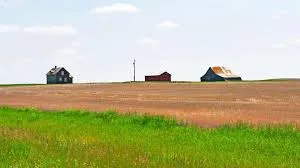

Farm real estate is different from residential real estate. Buyers do not only look at buildings or appearance. They study soil quality, crop history, drainage, infrastructure, and long-term farm value.
In Saskatchewan, local knowledge plays a major role in farmland decisions. Conditions can change from one region to another. Soil types, crop performance, and land demand may vary across short distances.
Because of this, buyers and sellers often rely on professionals who understand the local agricultural market.

Every Farming Region Is Different
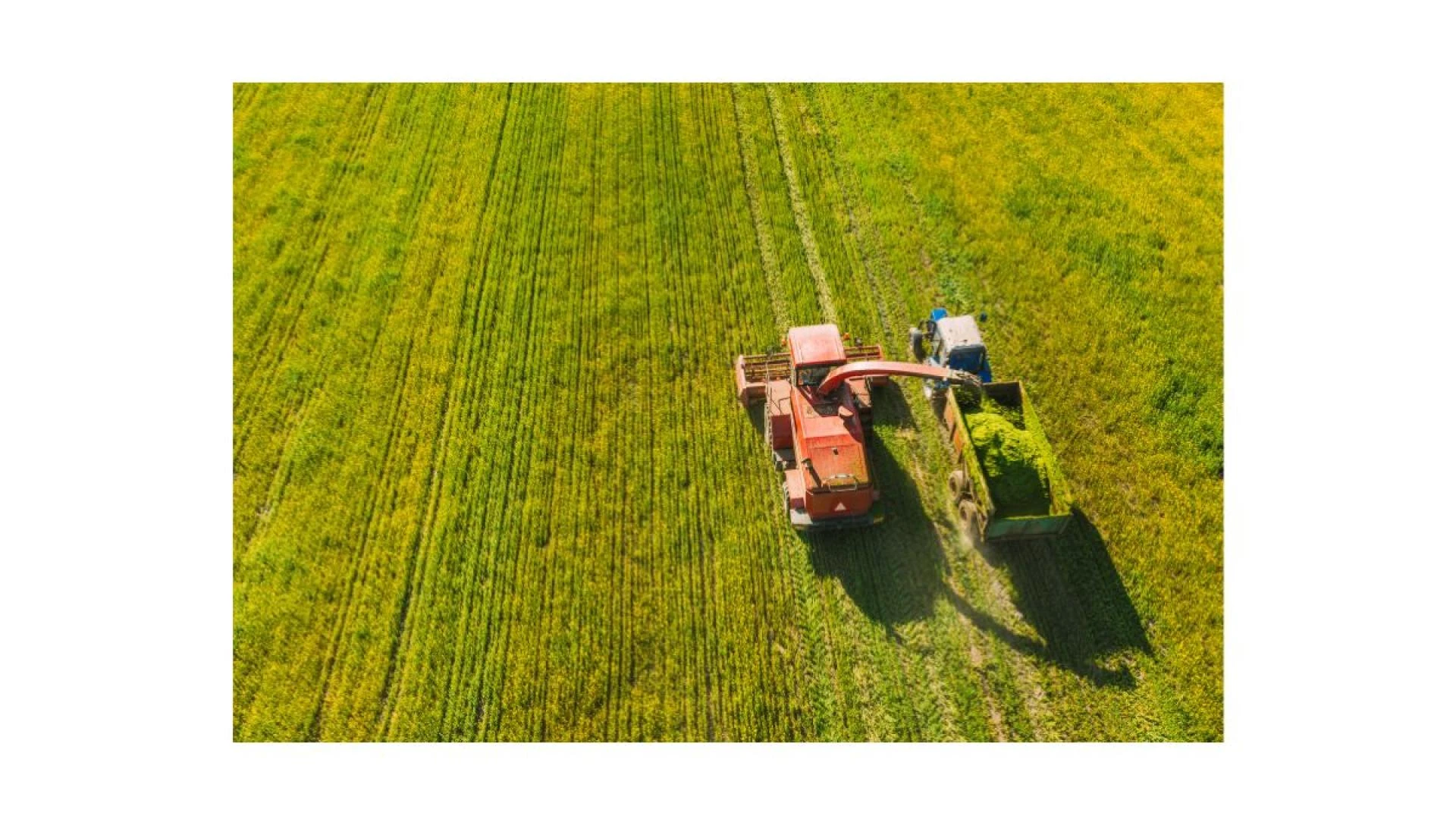
Saskatchewan covers a large area with many farming regions. Some areas are known for grain production, while others support livestock or mixed farming operations.
Rainfall, soil texture, and growing conditions can differ across the province. A farm that performs well in one area may not produce the same results somewhere else.
Local market knowledge helps buyers understand these regional differences before making an investment.
Soil Knowledge Affects Land Value
Soil quality remains one of the biggest factors in farmland pricing. Productive soil usually supports stronger crop yields and higher long-term value.
However, understanding soil takes more than reading a simple report. Local professionals often know which areas perform consistently and which fields face drainage or salinity issues.
Many buyers work with Saskatchewan farm real estate experts because local experience helps identify land with stronger long-term potential.
Local Pricing Trends Matter
Farmland prices do not move the same way in every region. Some areas may see stronger demand because of crop performance, infrastructure, or nearby services.
Local professionals track recent sales and understand what buyers are paying in different areas. They know how soil class, road access, and crop history affect price per acre.
This knowledge helps buyers avoid overpaying and helps sellers price land more accurately.
Infrastructure Changes Value
Roads, rail access, grain elevators, and farm suppliers all affect farmland demand. A property close to strong infrastructure may attract more buyers and hold value better over time.
Local experts understand which regions offer the best access to services and transport systems. They also know where infrastructure improvements may support future growth.
Infrastructure knowledge helps buyers compare properties more effectively.
Understanding Local Farming Practices
Farming methods can vary across Saskatchewan. Some regions focus heavily on grain crops, while others use mixed farming systems or livestock operations.
Local experience helps buyers understand which crops perform best in certain areas. It also helps explain common rotation systems, moisture patterns, and production challenges.
This information supports more realistic investment planning.
Water and Drainage Conditions
Water management plays a major role in farmland value. Some properties may have strong drainage, while others face seasonal flooding or wet areas.
Local professionals often know which areas have long-term drainage concerns. This insight can save buyers from costly surprises later.
Understanding water conditions also helps investors estimate future productivity.
Local Networks Improve Transactions
Strong local relationships can improve the buying and selling process. Farm real estate professionals often work closely with lawyers, lenders, appraisers, and agricultural advisors.
These connections help transactions move more smoothly. Buyers may also gain access to listings or opportunities before they become widely available.
Local networks create efficiency and improve communication throughout the process.
Rental Demand Varies by Region
Some investors buy farmland and lease it to local producers. Rental demand can vary depending on the farming activity in each area.
Local market knowledge helps investors understand fair rental rates and tenant demand. Regions with active farming communities often provide stronger leasing opportunities.
This information supports better income planning for landowners.
Long-Term Trends Matter
Successful farmland investing usually focuses on long-term value rather than short-term changes. Local experts often track trends in crop demand, land values, and regional development.
They understand which areas continue to attract buyer interest and which regions may face challenges.
Long-term insight helps buyers make more informed decisions about future value and growth potential.
Risk Can Be Reduced With Better Knowledge
Every investment carries risk. In agriculture, weather, crop prices, and land quality all affect returns.
Local knowledge helps reduce some uncertainty. Buyers who understand the local market often make better choices about soil, infrastructure, and pricing.
Better information usually leads to stronger investment decisions.
Why Experience Matters in Farm Real Estate?
Farm real estate requires specialized knowledge. Understanding agriculture, production, and land value takes experience built over time.
Local professionals know the details that many outside buyers may miss. They understand regional farming conditions, market demand, and operational challenges.
This experience adds value during both the buying and selling process.
Conclusion
Local market knowledge remains one of the most important parts of Saskatchewan farm real estate. Soil conditions, infrastructure, pricing trends, and farming practices can vary greatly across the province.
Buyers and sellers who understand local conditions often make stronger long-term decisions. Knowledge of regional markets helps reduce risk, improve planning, and support better farmland investments.
In Saskatchewan agriculture, local experience continues to play a major role in protecting farmland value and guiding successful transactions.



























Sign in to leave a comment.