
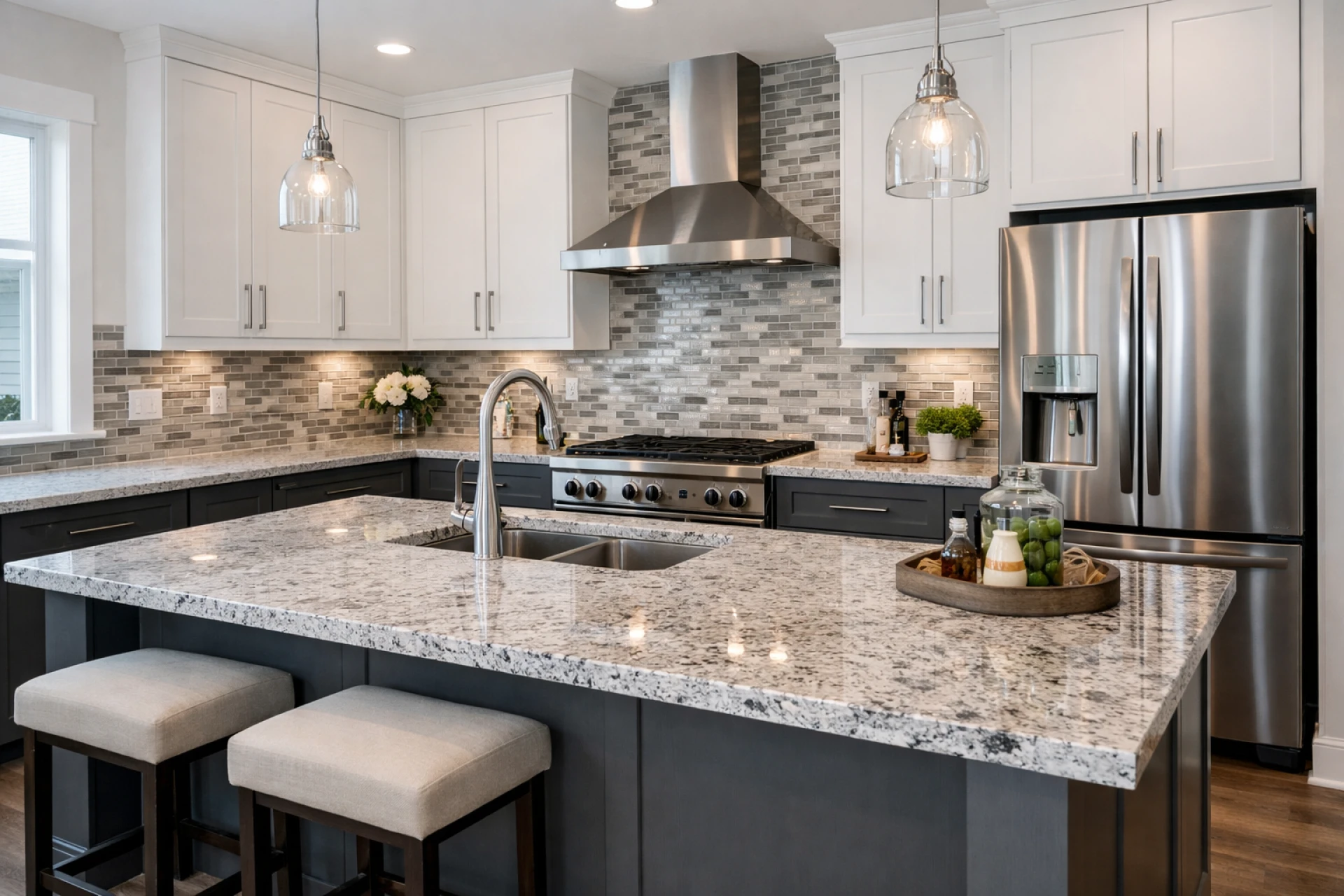
Most homeowners focus on countertops, cabinets, and layouts when planning a kitchen remodel long island. But there is one critical element that often gets overlooked until it becomes a real problem: ventilation. Poor airflow in a kitchen leads to lingering odors, excess moisture, grease buildup, and even long-term damage to cabinetry and walls.
Long Island homes face unique ventilation challenges. Many properties were built decades ago with outdated ductwork or undersized exhaust systems that simply cannot keep up with modern cooking demands. Whether you live in Patchogue, Brookhaven, or anywhere across Nassau and Suffolk Counties, upgrading your kitchen ventilation should be a top priority during any renovation project.
Getting ventilation right from the start saves money, protects your investment in new finishes, and makes your kitchen a healthier, more comfortable space to cook and gather in every day.
How Poor Ventilation Damages Long Island Kitchens
A kitchen without proper ventilation is a recipe for trouble. Cooking produces steam, smoke, grease particles, and carbon monoxide from gas burners. Without an effective exhaust system, all of that stays trapped inside your home.
Over time, grease settles on custom kitchen cabinets, walls, and ceilings. That sticky residue attracts dust and discolors surfaces. Moisture from boiling water and steaming food warps wood cabinetry and promotes mold growth, especially in kitchens that lack windows or have limited natural airflow.
Long Island's humid summers make this problem even worse. High outdoor humidity combined with indoor cooking moisture creates an environment where mold and mildew thrive. For homeowners who have invested in a full kitchen remodel, poor ventilation can undo thousands of dollars in upgrades within just a few years.
Signs Your Kitchen Ventilation Is Not Working Properly
Not sure if your current setup is falling short? Here are common warning signs that kitchen ventilation needs an upgrade:
- Cooking odors linger for hours after meals
- Windows fog up or walls feel damp when you cook
- Grease buildup appears on cabinets, light fixtures, or walls
- The range hood sounds loud but does not seem to clear smoke
- You notice peeling paint or wallpaper near the stove area
- Allergy symptoms or headaches seem worse when cooking
If any of these sound familiar, your exhaust system is likely undersized, poorly ducted, or recirculating air instead of venting it outside. Many older Long Island homes have recirculating hoods that push air through a charcoal filter and blow it right back into the room. These do almost nothing to remove moisture, grease, or harmful gases.
What Kitchen Contractors Long Island Recommend for Ventilation
Experienced kitchen renovation contractors prioritize ventilation as a core part of the design process, not an afterthought. The right ventilation solution depends on your kitchen's size, layout, cooking habits, and the type of range you use.
Choosing the Right Range Hood
The range hood is the centerpiece of any kitchen ventilation system. For residential kitchen remodeling on Long Island, professionals typically recommend externally vented hoods rated at a minimum of 400 CFM (cubic feet per minute) for standard cooking. If you have a professional-style range or do a lot of high-heat cooking, you will need 600 CFM or more.
Wall-mounted hoods, island hoods, and under-cabinet models each serve different kitchen layouts. A licensed kitchen contractor in Nassau County or Suffolk County will assess your ductwork path to ensure air is actually being moved outside, not just shuffled around.
Ductwork Matters More Than You Think
Even the best range hood will underperform if the ductwork behind it is poorly sized, too long, or full of sharp bends. Short, straight duct runs with smooth interior walls deliver the best airflow. Flexible duct, while cheaper and easier to install, creates turbulence and reduces efficiency significantly.
During a modern kitchen renovation, professional kitchen builders will often reroute or replace ductwork to optimize performance. This is the ideal time to address these hidden issues, since walls and ceilings are already opened up.
Ventilation and Indoor Air Quality: A Health Concern
Kitchen ventilation is not just about comfort. It is a genuine health issue. Gas stoves produce nitrogen dioxide and carbon monoxide, both of which can accumulate to unhealthy levels in poorly ventilated kitchens. Recent studies have drawn attention to these risks, and health experts increasingly recommend external venting for all cooking appliances.
For families with children, elderly members, or anyone with respiratory conditions, upgrading ventilation during a kitchen renovation is one of the smartest investments you can make. It is also worth considering ventilation improvements when planning a bathroom remodel long island, since moisture control is equally critical in bathrooms.
Makeup air systems are another consideration. High-powered exhaust hoods can create negative pressure in tightly sealed homes, making doors hard to open and pulling air backward through other vents. A makeup air unit balances the pressure by bringing in fresh outdoor air at a controlled rate.
Planning Ventilation Into Your Kitchen Remodel Cost
Ventilation upgrades typically add between $500 and $3,000 to a kitchen remodel cost, depending on the scope. A simple hood swap might be on the lower end, while rerouting ductwork or adding a makeup air system costs more.
Compared to the total budget of an affordable kitchen remodel or a high-end custom renovation, this is a modest investment with outsized returns. Proper ventilation protects every other element of the project, from custom kitchen cabinets to kitchen countertop finishes, by keeping moisture and grease under control.
When interviewing kitchen upgrade contractors for your project, ask specifically about their approach to ventilation. The best kitchen contractors will bring it up before you do. If a contractor skips over airflow planning entirely, that is a red flag worth paying attention to.
Ventilation is one of the most undervalued parts of any kitchen renovation on Long Island. It affects everything from air quality and comfort to the longevity of your cabinets, countertops, and finishes. Addressing it properly during a remodel is far easier and cheaper than retrofitting it later.
Whether you are planning a complete kitchen redesign or upgrading specific elements, make ventilation part of the conversation from day one. Your kitchen will look better, feel better, and last longer because of it.
FAQs
What size range hood do I need for my Long Island kitchen?
Most residential kitchens need a range hood rated at 400 CFM minimum, though high-heat or professional-style ranges require 600 CFM or more.
How much does it cost to upgrade kitchen ventilation during a remodel?
Kitchen ventilation upgrades typically cost between $500 and $3,000 depending on whether you need a new hood, ductwork rerouting, or a makeup air system.
Why does my kitchen smell even with a range hood running?
Your hood may be a recirculating model that filters and returns air to the room instead of venting it outside, or the ductwork may be undersized or obstructed.






























Sign in to leave a comment.