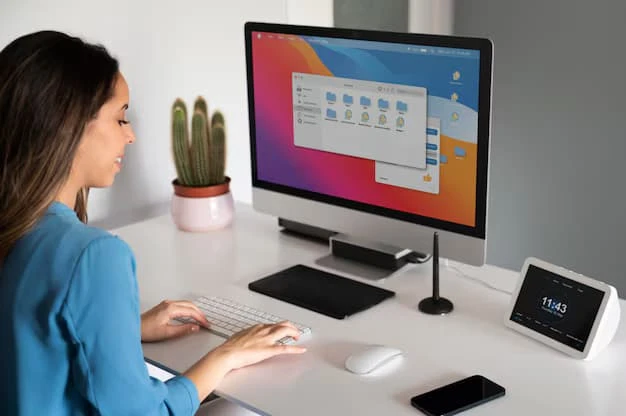

In today’s fast paced digital environment, businesses and professionals constantly seek efficient and flexible technology solutions. One option that continues to gain popularity is mac rental, a practical approach that allows individuals and organizations to access high performance devices without committing to long term ownership. Whether for short term projects, corporate events, creative production, or temporary staffing needs, renting advanced devices offers flexibility, cost control, and access to the latest technology.
This article explores why renting premium computing devices can be a smart and strategic choice. From financial advantages to operational efficiency, the benefits extend far beyond simple convenience.
The Growing Demand for Flexible Technology
Modern workplaces are evolving rapidly. Remote teams, hybrid offices, startup culture, and project based work have changed how companies think about equipment.
Short Term Projects and Contract Work
Many businesses operate on a project basis. Creative agencies, software development teams, film production crews, and event organizers often require additional computing power for a limited period. Purchasing expensive equipment for a short term need can tie up capital unnecessarily. Renting allows organizations to scale up their technology resources temporarily without long term financial burden.
Temporary Employees and Interns
When onboarding contract workers, seasonal staff, or interns, companies need reliable devices that meet professional standards. Renting high quality computers ensures productivity without increasing permanent assets on the balance sheet.
Corporate Events and Training Sessions
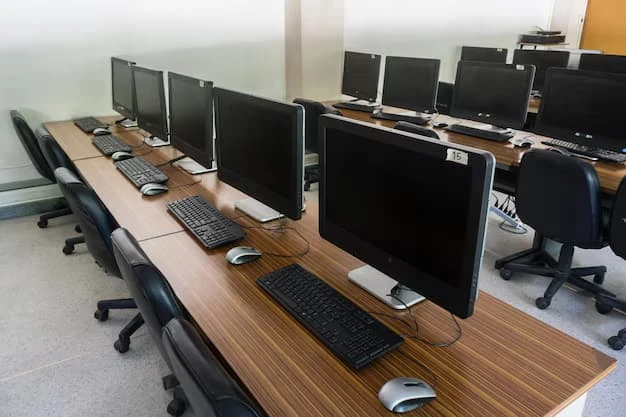
Workshops, seminars, conferences, and training programs often require multiple identical systems for participants. Renting ensures uniformity in performance and compatibility, making technical coordination easier and smoother.
Cost Efficiency Without Compromise
One of the primary reasons organizations consider renting is financial flexibility.
Lower Upfront Investment
High performance devices can require significant upfront investment. For startups and small businesses, preserving cash flow is essential. Renting reduces the need for large capital expenditures and allows funds to be allocated to marketing, hiring, or product development.
Predictable Budgeting
Rental agreements typically involve clear, fixed costs. This predictability simplifies budgeting and financial planning. Instead of unexpected repair costs or depreciation concerns, businesses can operate with a straightforward monthly or short term fee.
Avoiding Depreciation
Technology depreciates quickly. New models are released frequently, and hardware can become outdated within a few years. Renting eliminates concerns about resale value or aging equipment since the responsibility for lifecycle management does not fall on the renter.
Access to the Latest Technology
Innovation moves quickly in the tech industry. Creative professionals and developers often need cutting edge performance to stay competitive.
Updated Hardware and Software
Rental providers typically maintain modern inventories with up to date operating systems and hardware configurations. This ensures access to the latest processors, graphics capabilities, and storage solutions without repeated purchase cycles.
Ideal for Creative Professionals
Designers, video editors, music producers, and developers require machines that handle intensive workloads smoothly. Renting powerful devices allows creative professionals to meet demanding project requirements without permanently investing in high end equipment.
Testing Before Purchasing
Some organizations use rental solutions as a trial period. Before committing to a bulk purchase, decision makers can evaluate performance, compatibility, and employee feedback. This hands on testing reduces the risk of costly procurement mistakes.
Scalability for Growing Businesses
Business growth often comes with unpredictable technology needs.
Rapid Team Expansion
When a company experiences sudden growth, immediate access to additional equipment becomes crucial. Renting allows organizations to quickly equip new employees without waiting for lengthy procurement processes.
Seasonal Demand
Industries such as retail, marketing, education, and event management may experience seasonal peaks. During these periods, additional computing power is required. Renting offers a flexible way to meet temporary spikes in demand.
Geographic Expansion
When opening new branches or operating in different cities for a short term project, transporting owned equipment may not be practical. Renting locally simplifies logistics and reduces operational complexity.
Reduced Maintenance Responsibilities
Owning technology involves ongoing maintenance, repairs, and upgrades.
Technical Support
Rental agreements often include support services. If a device encounters an issue, it can be repaired or replaced promptly. This minimizes downtime and ensures continuity in business operations.
No Repair Management
When equipment is owned, internal teams must manage warranties, service appointments, and replacement parts. Renting shifts much of this responsibility away from the organization, allowing teams to focus on core activities.
Simplified IT Operations
For smaller businesses without dedicated IT departments, managing hardware can be overwhelming. Renting reduces administrative overhead and simplifies device management.
Ideal for Events and Media Production
Large scale events and media projects often require specialized setups.
Film and Photography Projects
Production teams frequently need high performance systems for editing, color grading, and sound design. Renting ensures that the right configuration is available for the duration of the project.
Conferences and Exhibitions
Trade shows and exhibitions may require multiple systems for demonstrations, presentations, or registration desks. Renting ensures uniform performance and compatibility across all units.
Educational Workshops
Training sessions in fields such as graphic design, programming, and video editing benefit from standardized equipment. Renting provides identical systems for all participants, ensuring a consistent learning experience.
Enhanced Security and Data Protection
Data security is a top priority for modern organizations.
Temporary Data Storage
For short term projects involving sensitive information, renting allows companies to use dedicated devices without storing long term data on owned machines.
Professional Data Handling
Reputable rental providers follow strict data wiping procedures between rentals. This ensures that previous user data is securely removed, reducing privacy risks.
Secure Configuration Options
Organizations can request specific security configurations such as encrypted drives, password protection, and user account restrictions tailored to their project needs.
Environmental Sustainability
Sustainability has become an important consideration in business decisions.
Extending Device Lifecycles
Rental models promote shared usage of high quality devices. Instead of multiple organizations purchasing separate machines that may remain underutilized, equipment is circulated efficiently among users.
Reducing Electronic Waste
By optimizing the lifecycle of each device, rental solutions contribute to reducing electronic waste. Centralized management also ensures responsible recycling practices when devices reach the end of their useful life.
Supporting Remote and Hybrid Work
The rise of remote and hybrid work models has increased the need for flexible device solutions.
Home Based Employees
Companies hiring remote workers may need to ship equipment quickly. Renting can streamline this process, especially for short term contracts or freelance engagements.
Temporary Remote Projects
When teams collaborate across locations for a limited time, renting provides consistent hardware performance regardless of geography.
Business Continuity Planning
In situations such as system failures or unexpected disruptions, rental solutions can act as a backup plan. Quick access to replacement devices ensures minimal interruption to operations.
Simplifying Technology Upgrades
Technology evolves rapidly, and staying updated is essential for competitiveness.
Easy Model Swaps
When performance requirements change, renting allows businesses to upgrade to newer models at the end of a rental term without dealing with resale or disposal.
Keeping Up with Industry Standards
Creative and technical industries often require compliance with current software standards. Renting ensures compatibility with the latest tools and platforms.
A Strategic Advantage in Competitive Markets
Ultimately, renting is not just about convenience. It is a strategic decision.
Faster Decision Making
Without the long approval cycles often associated with capital purchases, renting allows businesses to respond quickly to opportunities.
Resource Optimization
Capital that would otherwise be tied up in hardware can be redirected toward innovation, marketing, and talent acquisition.
Focus on Core Competencies
By outsourcing device management, organizations can concentrate on delivering value to clients and customers rather than managing equipment inventories.
Conclusion
Choosing a flexible technology solution can significantly impact operational efficiency and financial performance. Renting premium computing devices offers cost control, scalability, reduced maintenance responsibilities, and access to modern hardware. From startups and creative professionals to established enterprises managing large scale events, this approach provides a practical and forward thinking alternative to ownership.
As businesses continue to adapt to changing work environments and rapid technological advancement, rental solutions stand out as a reliable and strategic choice.
For organizations seeking dependable and professional device rental services, Geex offers solutions tailored to diverse business needs.




























Sign in to leave a comment.