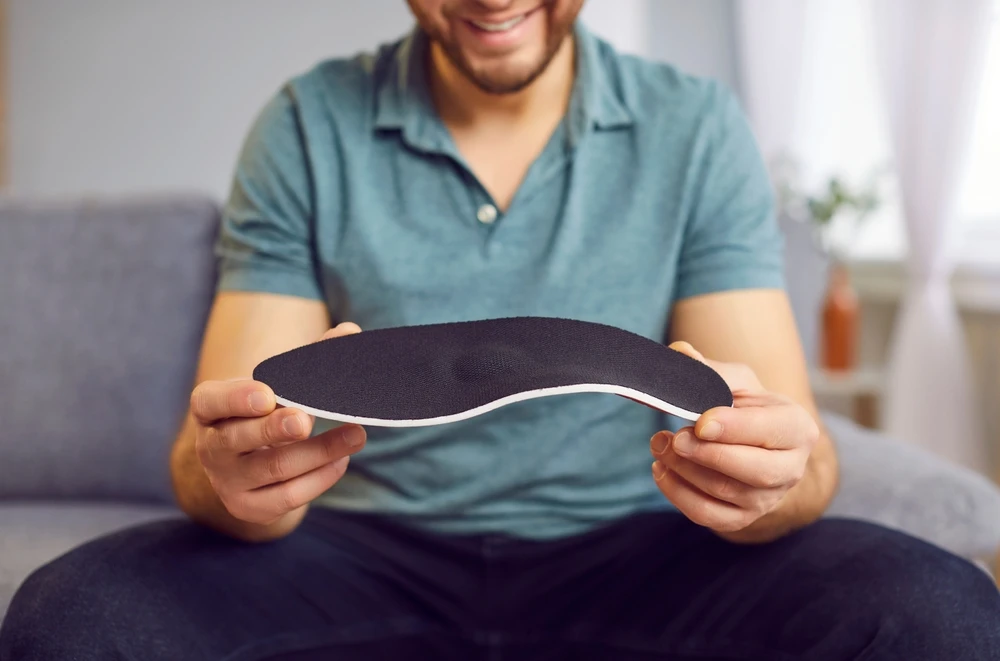

There was a time when buying shoes meant checking the size, glancing at the design, and hoping they would soften with wear. Comfort was something you earned after a week of breaking them in.
That expectation has changed. Today, people want comfort from the first step. Not eventually. Not after adjustment. Immediately.
This shift explains why memory foam for shoes is no longer seen as a luxury addition. It is quickly becoming a standard feature in modern footwear design. Consumers notice the difference. Designers understand the science. Manufacturers see the demand.
Footwear has evolved, and cushioning technology sits at the center of that evolution.
What Makes Memory Foam Different?
Memory foam responds to pressure and temperature. When weight is applied, it compresses gently and conforms to the shape pressing into it. When the pressure lifts, it slowly returns to its original form.
That slow recovery is key. It distributes weight more evenly across the foot instead of concentrating pressure on specific points.
In footwear, that means:
- Reduced heel strain
- Improved arch comfort
- Better shock absorption
- A softer walking experience
This is not simply about softness. It is about controlled support.
The Daily Impact of Better Cushioning
Consider how much time the average person spends on their feet. Commuting. Standing in offices. Walking through airports. Even short errands add up.
Without adequate cushioning, repeated impact stresses the heel, ankle, and knee. Over time, that discomfort builds quietly. It does not shout. It lingers.
Memory foam shoes help reduce that accumulated stress. The material absorbs a portion of the force generated during each step. Instead of bouncing it back sharply, it diffuses it.
This makes long hours feel shorter. Not weightless, but manageable.
Comfort Is Now a Design Priority
Fashion once dominated footwear conversations. Comfort followed behind. That order has reversed in many categories.
Designers now approach shoes with a layered mindset. Outsole durability. Midsole structure. Insole comfort. Each layer contributes something specific.
Here is a simplified breakdown:
| Shoe Layer | Purpose | Role of Memory Foam |
| Outsole | Traction and durability | Indirect support |
| Midsole | Structural cushioning | May include foam core |
| Insole | Direct foot contact | Primary comfort layer |
In many memory foam shoes, the insole becomes the defining feature. It shapes how the shoe feels from the first step.
Performance Beyond Casual Wear
It would be easy to assume this material belongs only in relaxed, everyday footwear. That assumption is outdated.
Office and Formal Shoes
Professionals often stand for extended periods. A structured exterior combined with a responsive foam interior provides balance. Formal outside. Comfortable inside.
Athletic and Active Shoes
While high-performance sports require specialized materials, memory-based cushioning is increasingly integrated into lifestyle athletic footwear. It improves everyday training comfort and recovery.
Travel Footwear
Frequent travelers value lightweight construction and long-wear comfort. Shoes that adapt to foot shape reduce fatigue during extended movement.
How Memory Foam Improves Fit
Traditional insoles maintain a fixed shape. They may fit well for some foot types and poorly for others.
Memory foam adapts temporarily. It molds to the user’s foot contours. This custom-like fit enhances stability without rigid pressure.
Key advantages include:
- Reduced pressure points
- Improved alignment sensation
- Greater surface contact between foot and sole
The result feels personal. Not tailored in a clinical sense, but responsive.
Comparing Cushioning Materials
Not all cushioning materials behave the same way.
| Property | Standard EVA Foam | Memory Foam |
| Compression Response | Quick rebound | Slow recovery |
| Contouring Ability | Moderate | High |
| Pressure Distribution | Limited | Even distribution |
| Comfort Feel | Springy | Soft, adaptive |
Both materials have their place. The choice depends on the intended use of the shoe. However, for everyday comfort and prolonged wear, adaptive cushioning often wins preference.
Addressing Common Misconceptions
There are a few assumptions that deserve clarification.
“Soft Means Weak”
Softness does not automatically imply poor durability. High-quality foam formulations are engineered to maintain structural integrity over repeated compression cycles.
“It Flattens Quickly”
While lower-grade materials may degrade faster, well-designed memory foam components are built to retain shape and performance over time.
“It Is Only for Comfort, Not Support”
Properly layered within a shoe structure, foam works in combination with supportive elements. It complements support rather than replacing it.
Health and Well-Being Considerations
Foot discomfort influences posture. Posture affects joints. Joints influence long-term mobility.
When cushioning reduces impact stress, it indirectly supports musculoskeletal comfort. While footwear alone cannot solve orthopedic issues, it contributes to overall ease of movement.
For individuals with sensitive heels or those recovering from minor foot fatigue, softer insole materials often feel noticeably different within days.
Comfort becomes not just pleasant, but practical.
The Emotional Factor
There is also something subtle at play. When a shoe feels good instantly, confidence increases. Movement becomes more natural. You do not think about your feet. You move.
This psychological ease matters more than most product descriptions admit.
Memory foam for shoes delivers that immediate reassurance. The foot sinks slightly, adjusts, settles. It feels secure.
Innovation in Foam Technology
Foam development is not limited to one application. Research in seating materials, bedding, and cushioning systems informs footwear engineering as well.
For example, knowledge gained from applications such as sofa foam manufacturing contributes to better understanding of density, durability, and load distribution in footwear contexts.
Material science evolves across industries. Footwear benefits from that shared progress.
Conclusion
Comfort expectations have shifted. Consumers are no longer willing to compromise on daily wearability. That shift explains why memory foam for shoes has become a defining feature in modern footwear design.
From office environments to travel settings, adaptive cushioning improves pressure distribution and reduces fatigue. It transforms ordinary steps into easier ones.
Manufacturers like Sheela Foam contribute to this evolution by applying advanced foam expertise across diverse sectors, from sofa foam solutions to performance cushioning materials. As footwear continues to prioritize comfort and intelligent design, memory foam stands firmly at the center of that progress.
What began as a comfort upgrade is now becoming an essential.




























Sign in to leave a comment.