
Many people assume advanced racing safety equipment is only necessary for professional drivers competing at the highest levels. However, experienced racers understand that even in mid-level motorsports environments, drivers can be exposed to significant risks.
Heat, fuel systems, engine pressure, and unpredictable mechanical failures are part of racing at nearly every level. Whether competing in drag racing, dirt track events, circle track racing, or other performance categories, drivers need safety equipment designed to protect them under demanding conditions.
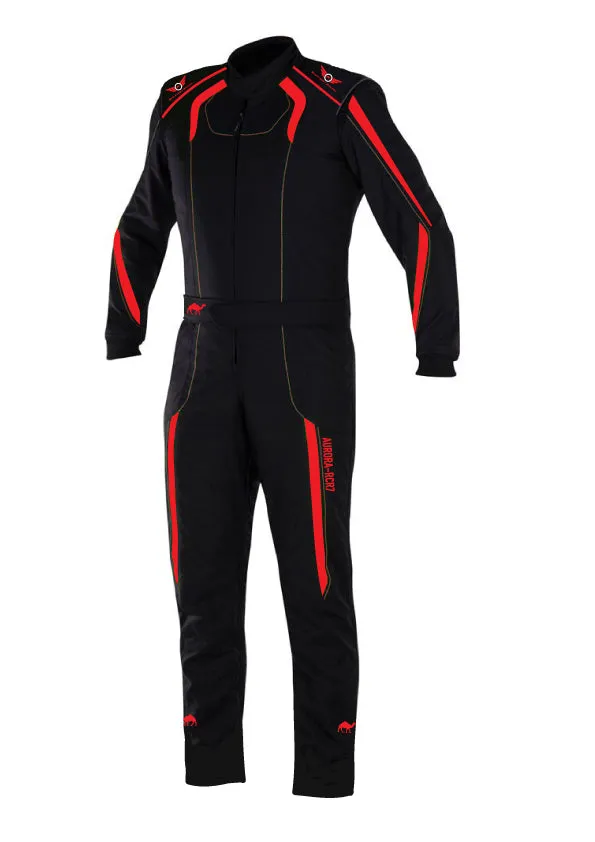
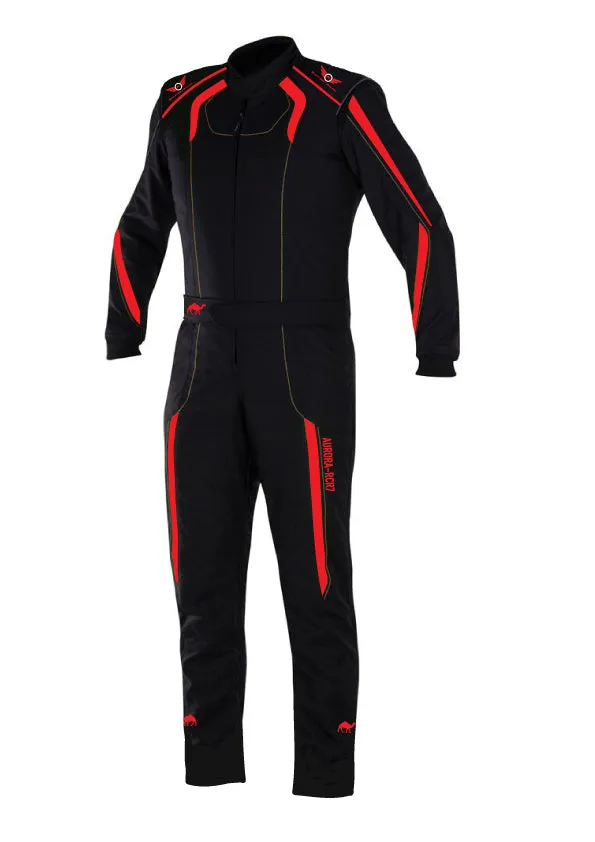
That is why many racers rely on an SFI 3.2A/5 suit that offers a strong balance of thermal protection, mobility, comfort, and long-term durability.
Modern racing apparel is no longer just about meeting minimum regulations. Today’s fire-resistant suits are engineered to improve driver protection while still allowing the flexibility and comfort racers need during competition.
Why SFI Ratings Matter in Motorsports
SFI certifications help establish recognized safety standards across the racing industry.
Different SFI ratings indicate different levels of fire resistance and thermal protection depending on the racing category and competition requirements.
An SFI 3.2A/5 suit is commonly used in motorsports environments that demand more protection than entry-level racing apparel but still require strong mobility and lightweight comfort.
Many racing organizations require certified fire suits because proper safety equipment helps reduce risks during:
- engine fires
- fuel-related incidents
- overheating components
- mechanical failures
- high-temperature racing environments
Professional drivers understand that racing safety equipment should never be treated as an afterthought.
As racers often say:
“You build the car for speed, but you gear up for survival.”
Why Double-Layer Construction Makes a Difference
One of the major advantages of many mid-level racing suits is double-layer construction.
Compared to single-layer racing apparel, double-layer suits provide improved thermal insulation and stronger fire resistance while still maintaining manageable weight and flexibility.
Double-layer racing suits are often designed to offer:
- increased fire protection
- improved heat resistance
- enhanced durability
- better long-term performance
- greater driver confidence
This balance makes them popular among racers competing in demanding environments where stronger protection is necessary without moving into heavier professional-level multi-layer gear.
Modern racing suits now focus heavily on combining protection with comfort, allowing drivers to remain fully focused during competition.
Why Comfort Matters During Competition
Many new racers underestimate how physically demanding motorsports can become.
Drivers often spend hours inside hot vehicles with limited airflow, high cabin temperatures, and constant physical concentration. Poorly fitted or uncomfortable safety gear can quickly become distracting during long race days.
Modern racing suits are engineered to improve:
- mobility
- flexibility
- breathability
- moisture management
- seated comfort
- freedom of movement
Features such as stretch panels, floating sleeves, lightweight materials, and ergonomic tailoring help drivers maintain natural movement while driving.
This matters because restricted movement can affect reaction time, concentration, and overall driving performance.
Why Material Quality Is Important
Not all racing apparel is constructed with the same level of quality or durability.
Professional-grade racing suits often use advanced, fire-resistant materials designed specifically for motorsports. The quality of stitching, layering systems, and fabric construction all contribute to long-term performance.
High-quality racing suits commonly include:
- reinforced seams
- durable zipper systems
- abrasion-resistant construction
- fire-resistant fabric layers
- flexible shoulder designs
- lightweight inner lining materials
These details help improve both safety and long-term reliability during repeated racing use.
Lower-quality racing gear may lose effectiveness faster under demanding conditions.
Why Proper Fit Improves Both Safety and Performance
Even the best racing suit performs properly only when it fits correctly.
A suit that feels too tight may limit movement and cause fatigue, while loose-fitting apparel can compromise comfort and control inside the vehicle.
Experienced racers typically look for suits that allow:
- comfortable seated positioning
- unrestricted shoulder movement
- smooth steering input
- natural arm flexibility
- Reduced bunching during driving
A proper fit allows drivers to focus fully on racing rather than constantly adjusting uncomfortable equipment.
Comfort becomes especially important during long events, where physical fatigue gradually builds.
Why Serious Racers Invest in Better Safety Equipment Early
Many drivers initially allocate their budget to performance upgrades and aftermarket modifications before upgrading their safety apparel. However, experienced racers often take the opposite approach.
Reliable safety gear is viewed as a long-term investment rather than just another racing expense.
A professionally designed SFI 3.2A/5 suit helps provide:
- stronger thermal protection
- improved comfort
- increased durability
- professional-level construction
- better confidence during competition
In motorsports, confidence in your equipment matters as much as confidence in the vehicle itself.
Drivers who trust their gear can focus more fully on reaction time, consistency, and overall performance.
How Racing Apparel Continues to Evolve
Modern racing apparel has improved dramatically over the years.
Today’s racing suits are often:
- lighter
- more breathable
- more ergonomic
- more flexible
- more comfortable during extended use
Manufacturers continue improving racing apparel to support both safety and driver endurance simultaneously.
This evolution reflects a growing understanding that protective gear should help drivers perform better rather than limit mobility or concentration.
Conclusion
Mid-level motorsports environments still demand serious attention to driver safety. High temperatures, fuel systems, and unpredictable racing conditions create risks that require reliable protective equipment.
An SFI 3.2A/5 suit provides a strong balance between thermal protection, flexibility, durability, and comfort for racers competing in demanding environments.
Modern double-layer racing suits now combine advanced fire resistance with lightweight movement and ergonomic design, helping drivers remain protected without sacrificing performance behind the wheel.
In racing, preparation always begins long before the green light appears. Serious drivers understand that quality safety equipment is not simply part of the uniform — it is part of competing responsibly.



























Sign in to leave a comment.