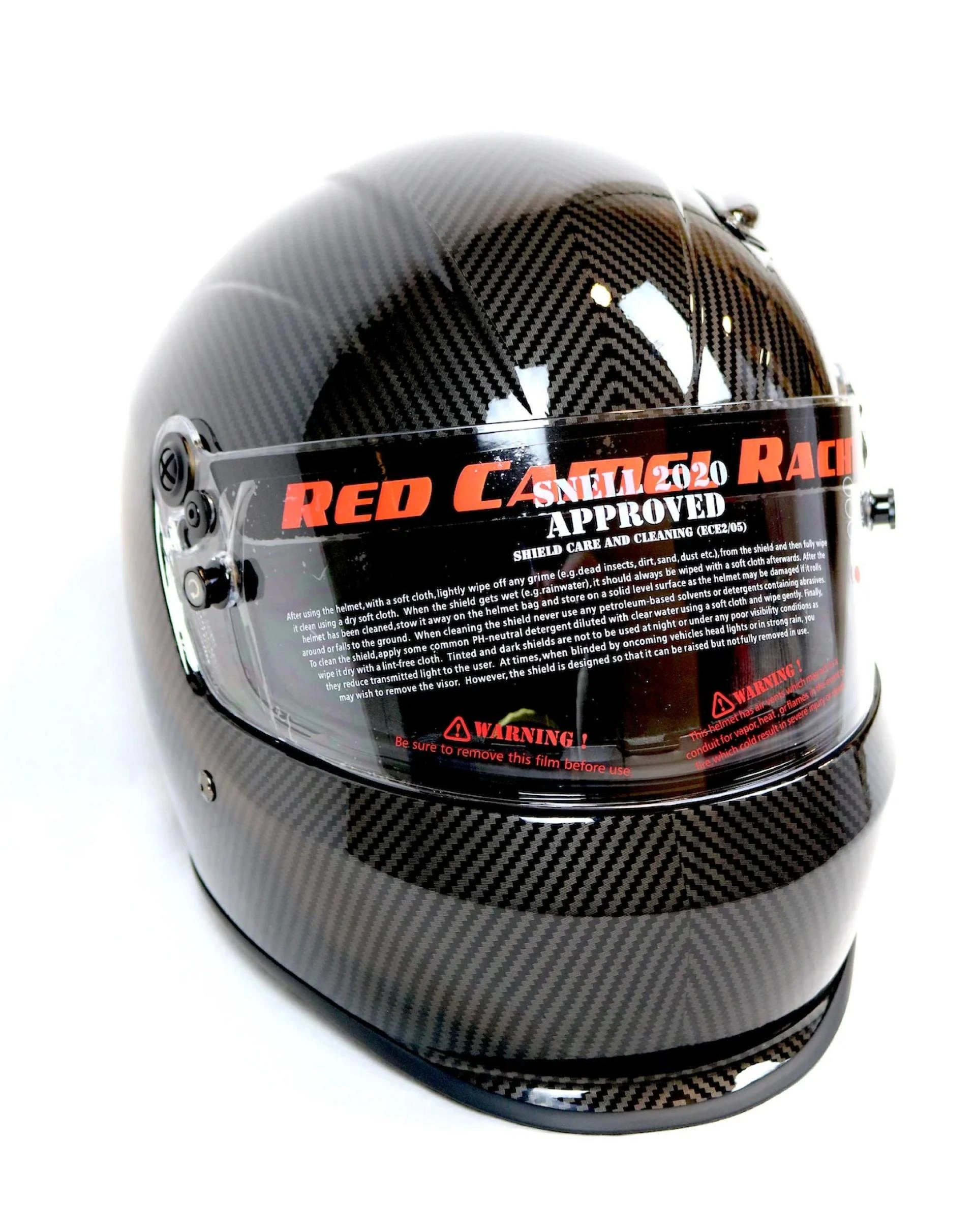

When it comes to motorsports, safety is never something drivers take lightly. Yet many racers still find themselves asking an important question: Is my current helmet still providing the level of protection I need on the track? Racing technology evolves quickly, and what worked well a few years ago may no longer meet the latest safety expectations. That’s exactly why many drivers, from weekend track enthusiasts to professional competitors, are upgrading to 2020 Snell approved racing helmets.
Helmets are not just another piece of racing gear. They are the first line of defense in high-speed environments where every second and every impact matters. The Snell Memorial Foundation regularly updates helmet safety standards to address new research, improved materials, and real-world crash data. The SA2020 certification, introduced in 2020, represents one of the most advanced safety benchmarks for automotive racing helmets today. As a result, many racers are choosing 2020 Snell approved racing helmets to ensure they stay protected while pushing their limits on the track. Keep reading.
Understanding the Snell SA2020 Standard
Before diving into why racers upgrade, it helps to understand what the Snell SA2020 standard actually represents. The Snell Memorial Foundation is a respected nonprofit organization that develops and tests helmet safety standards used across multiple motorsports disciplines.
The “SA” in SA2020 stands for Special Application, meaning the certification is designed specifically for automotive racing environments, not motorcycles. Automotive racing helmets require unique protection because drivers face different risks compared to motorcycle riders. For example, car racers must deal with potential vehicle fires, roll cage impacts, and multi-directional crashes inside a confined cockpit.
That’s why 2020 Snell approved racing helmets are built with features that address these risks directly. These helmets undergo rigorous laboratory testing to ensure they meet strict requirements for impact resistance, flame retardancy, and durability. In short, they’re engineered for the unique demands of car racing.
Improved Impact Protection
One of the main reasons drivers upgrade to 2020 Snell approved racing helmets is the improved impact protection offered by the updated standard. Over time, researchers have gained a deeper understanding of how helmet materials respond to high-speed collisions.
The SA2020 standard introduced enhanced impact testing protocols compared to previous certifications like SA2015. Helmets are now tested with different types of anvils to simulate multiple crash scenarios. This ensures the helmet shell and internal liner can absorb and distribute energy more effectively during an impact.
In simple terms, the goal is to reduce the force transferred to the driver’s head. When a crash occurs, even small improvements in energy absorption can make a significant difference. That’s why many racers see upgrading their helmet as a smart move rather than a luxury.
After all, when you’re traveling at triple-digit speeds, it’s better to be safe than sorry.
Better Compatibility With Head and Neck Restraints
Another major factor behind the popularity of 2020 Snell approved racing helmets is their compatibility with Head and Neck Restraint (HNR) systems, such as HANS devices.
Modern motorsports safety rules increasingly require the use of these systems because they help prevent basilar skull fractures, one of the most severe injuries in racing accidents. SA2020 helmets are designed with reinforced anchor points that allow drivers to attach HNR devices securely.
This integration ensures the helmet and restraint system work together as a unified safety solution. Think of it as a team effort between safety components, rather than relying on a single piece of gear. For racers who compete in organized events, upgrading to 2020 Snell approved racing helmets also helps ensure compliance with the latest competition regulations.
Advanced Fire-Resistant Materials
Fire protection is another area where 2020 Snell approved racing helmets stand out. Automotive racing environments can involve fuel systems, engine heat, and other potential fire hazards. To address these risks, SA2020 helmets use fire-resistant materials, including specialized fabrics and linings that help slow the spread of flames.
Many models incorporate Nomex-based interior materials, which are designed to withstand high temperatures. This feature may not seem critical until an emergency occurs, but in racing, preparation is everything. Having a helmet that offers flame resistance can provide valuable seconds of protection if a fire breaks out. For drivers, that extra layer of safety brings peace of mind when they’re strapped into the cockpit.
Improved Comfort and Fit for Long Sessions
Safety is the top priority, but comfort also plays a key role in racing performance. Anyone who has spent hours inside a race car knows that a poorly fitting helmet can quickly become distracting. Many 2020 Snell approved racing helmets incorporate updated ergonomic designs that improve fit, ventilation, and weight distribution. Manufacturers have refined shell shapes and padding systems to create helmets that feel secure without creating pressure points.
Better ventilation systems also help reduce heat buildup inside the helmet. Racing can be physically demanding, and excessive heat can affect concentration. A well-designed helmet allows airflow while maintaining safety standards. As the saying goes, comfort breeds confidence. When drivers feel comfortable in their gear, they can focus entirely on driving rather than adjusting their equipment.
Meeting Modern Racing Regulations
Motorsports organizations frequently update their equipment rules to reflect evolving safety standards. Many sanctioning bodies, including racing leagues and track-day organizations, require helmets that meet current certification guidelines.
In many cases, 2020 Snell approved racing helmets are now the preferred standard for new competitors entering the sport. Some organizations gradually phase out older certifications like SA2010 or SA2015 as new standards become widely adopted. Upgrading ensures that drivers remain eligible for events and competitions without worrying about outdated equipment. It’s similar to upgrading a computer operating system, eventually, the older version no longer receives support.
Longer Certification Lifespan
Another practical reason racers choose 2020 Snell approved racing helmets is longevity. Snell standards typically follow a five-year certification cycle, meaning SA2020 helmets will remain relevant for several years before a new standard replaces them.
Purchasing a newer helmet ensures that drivers won’t need to replace their equipment again in the near future. For racers who participate regularly in track days, autocross events, or endurance races, this makes upgrading a sensible long-term investment. Simply put, buying a current standard helmet helps future-proof your racing gear.
Confidence Behind the Wheel
Beyond the technical benefits, upgrading to 2020 Snell approved racing helmets also provides something less tangible but equally important: confidence.
When drivers know they’re wearing equipment that meets the latest safety standards, they can focus fully on performance. Racing demands quick decisions, precise control, and mental clarity. Any lingering doubts about equipment can become a distraction.
A modern helmet removes that concern. Drivers can concentrate on the racing line, braking points, and lap times rather than worrying about whether their gear is up to date.
In motorsports, confidence often separates a good lap from a great one.
Choosing the Right Snell SA2020 Helmet
If you’re considering upgrading to 2020 Snell approved racing helmets, there are several factors worth evaluating. First, ensure the helmet fits properly. A helmet should feel snug but not overly tight. Proper fit improves both comfort and safety during impact.
Next, consider the helmet’s shell material and ventilation design. Some models use advanced composite materials or carbon fiber to reduce weight without sacrificing strength.
Drivers should also check for HNR compatibility and visor options that match their racing environment. Ultimately, the best helmet is one that balances safety, comfort, and durability while meeting the requirements of your racing organization.
Conclusion: Safety Is Always Worth the Upgrade
Racing is thrilling, challenging, and deeply rewarding—but it also demands respect for safety. Technology continues to evolve, and equipment standards follow suit. Upgrading to 2020 Snell approved racing helmets allows drivers to take advantage of the latest improvements in impact protection, fire resistance, and comfort. For racers who are serious about the sport, investing in updated safety gear is simply part of the journey. After all, a helmet isn’t just a requirement; it’s a critical piece of protection that can make a life-saving difference when it matters most. If you’re evaluating your current gear, consider whether your helmet still meets modern standards. Exploring 2020 Snell approved racing helmets can help you stay compliant with racing regulations while improving safety and comfort on the track. At the end of the day, racing is about pushing limits, but smart racers know when to upgrade their protection before hitting the gas.





























Sign in to leave a comment.