


Motorsports are built on speed, precision, and performance, but safety is the foundation that makes competitive racing possible. From amateur track days to professional championships, drivers rely on high-quality protective equipment to reduce risk and enhance confidence behind the wheel. While racing delivers adrenaline and excitement, it also exposes participants to extreme heat, high speeds, and unpredictable situations. Proper protective gear ensures drivers are prepared for every challenge the track presents.
The Importance of Safety in Motorsports
Every racing environment carries potential hazards. High engine temperatures, fuel systems, rapid acceleration, and close competition increase the risk of collisions and fire-related incidents. Without the right protection, drivers may face serious injuries.
That is why racing protective equipment is considered mandatory in most racing formats. Sanctioning bodies enforce strict safety standards to minimize injury risks and promote responsible competition. The goal is simple: protect drivers so they can focus entirely on performance and strategy.
Safety gear does more than comply with regulations; it provides peace of mind. Knowing that you are properly equipped allows you to concentrate on timing, braking points, and cornering techniques without distraction.
Core Components of Racing Equipment
Effective racing safety gear includes several essential components, each designed to protect specific areas of the body.
1. Racing Suits
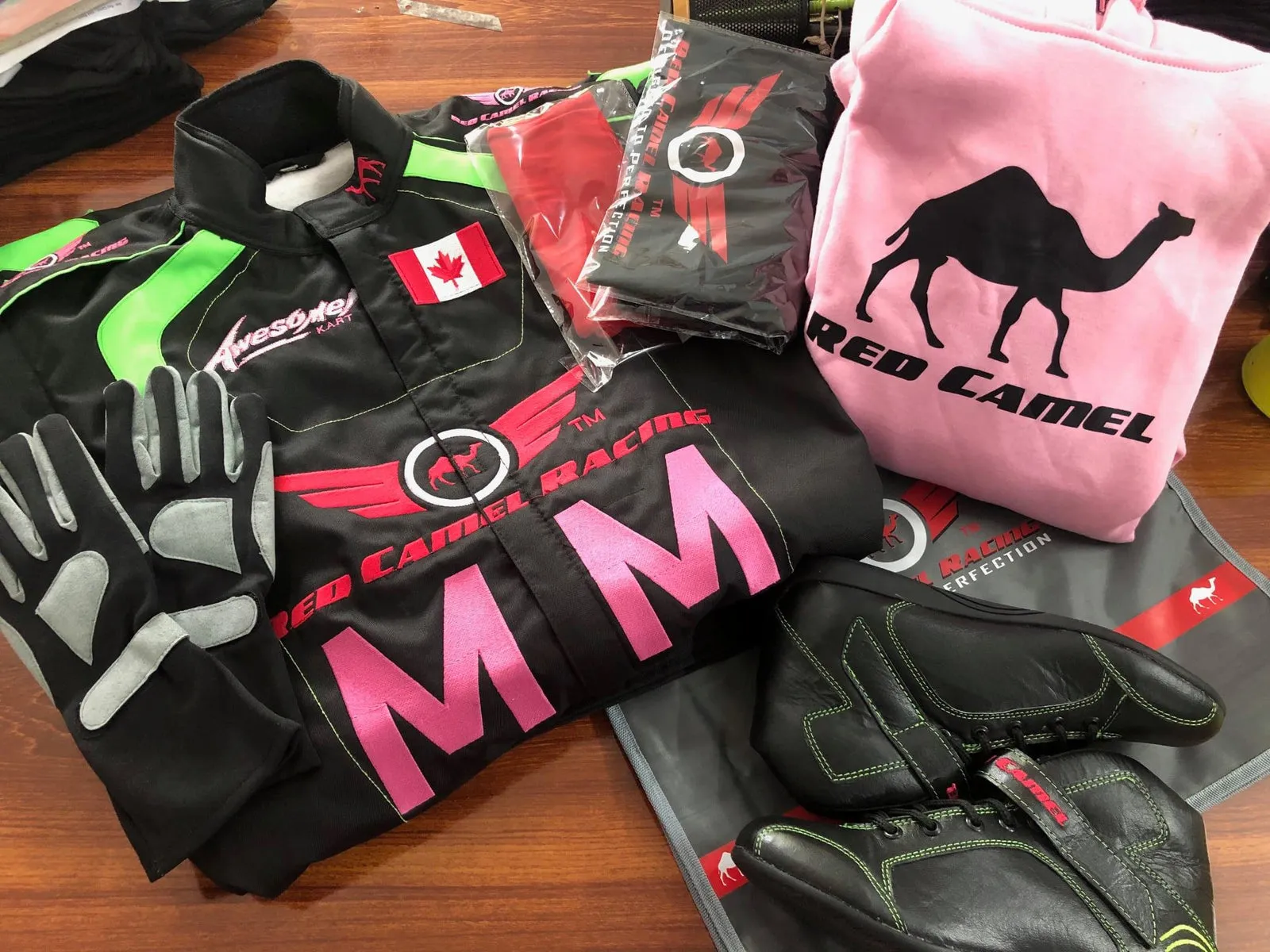
Fire-resistant suits are a critical part of driver safety. Constructed from advanced flame-resistant materials such as aramid fibers, these suits help shield the body from intense heat and flames. Multi-layer construction increases insulation while maintaining flexibility for comfortable movement inside the cockpit.
2. Racing Gloves
Gloves protect the hands from heat, abrasions, and vibration. They are designed with enhanced grip surfaces to improve steering control while maintaining dexterity. Flame-resistant fabrics further contribute to safety in high-risk situations.
3. Racing Shoes
Specialized racing shoes provide both protection and pedal sensitivity. Thin, flexible soles allow drivers to feel the pedals accurately, while fire-resistant materials help protect against heat exposure. Secure ankle support enhances stability during rapid movements.
4. Helmets
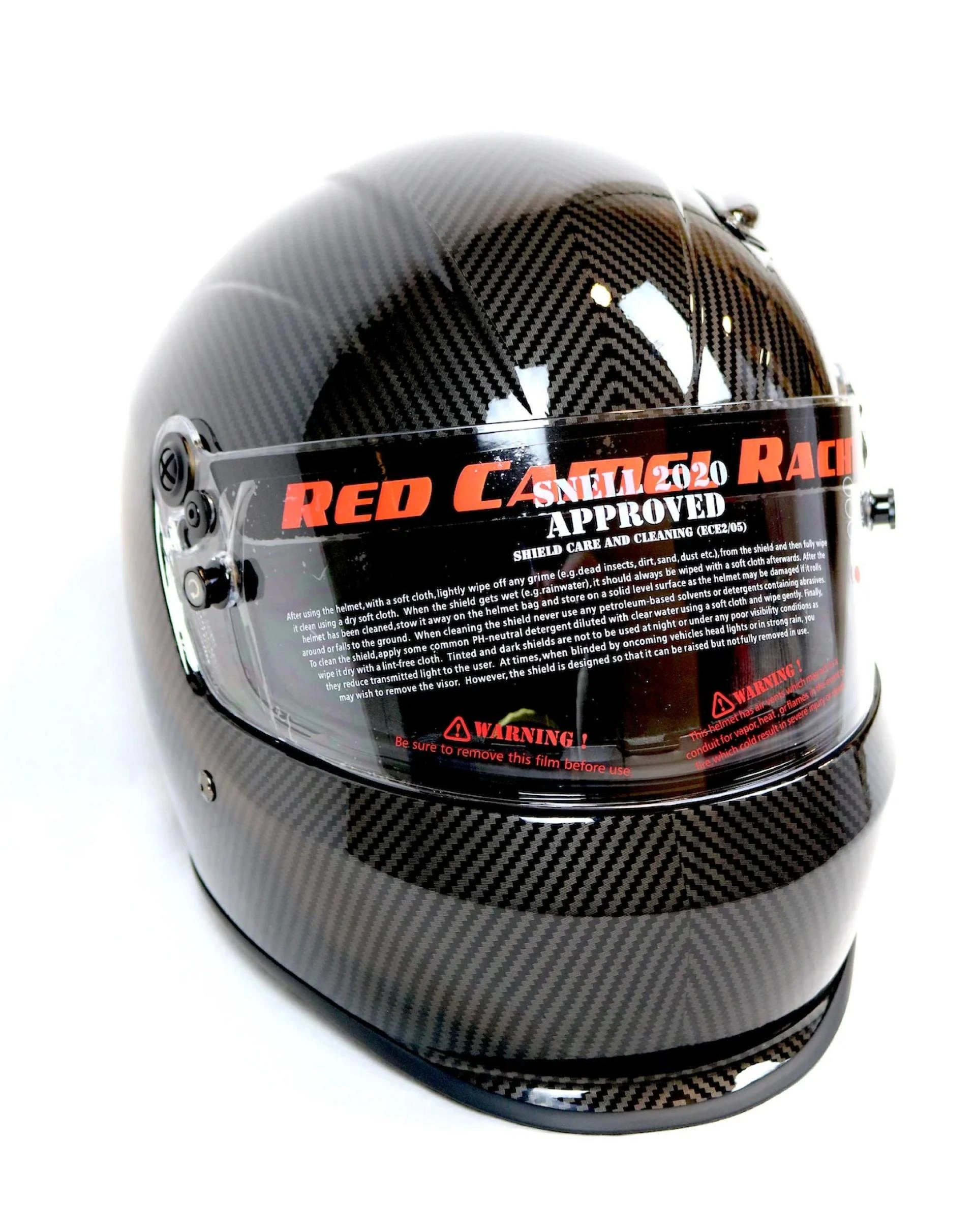
Helmets are one of the most critical safety components. They are engineered to absorb impact forces and protect against head injuries during collisions. Proper fit and certification are essential to ensure maximum effectiveness.
5. Head and Neck Protection
In high-speed racing, sudden deceleration can cause severe neck injuries. Head and neck restraint systems are designed to limit excessive movement during impact, reducing strain and injury risk.
Each piece of racing protective equipment works together to create a comprehensive safety system. Wearing incomplete gear can leave vulnerable areas exposed, which is why full coverage is strongly recommended.
Materials and Technology Behind Modern Safety Gear
Advancements in technology have significantly improved the effectiveness of racing safety equipment. Modern materials are lightweight, breathable, and highly durable, providing enhanced protection without sacrificing comfort.
Flame-resistant fabrics are engineered to resist ignition and limit heat transfer. Impact-absorbing foams and composite materials help reduce injury severity during crashes. Ventilation systems are integrated into suits and helmets to improve airflow, preventing overheating during long races.
These innovations ensure that drivers benefit from both safety and performance—two factors that must work hand in hand.
Compliance and Certification
Racing organizations require gear that meets recognized safety standards, such as SFI or FIA certifications. These certifications involve rigorous testing procedures to evaluate flame resistance, durability, and impact protection.
Choosing certified equipment ensures that the gear has passed established performance benchmarks. Compliance is not only a regulatory requirement in many competitions but also a vital measure of reliability and safety.
Before purchasing gear, drivers should verify certification labels and understand the specific requirements of their racing category.
Comfort and Performance Considerations
While safety is the primary goal, comfort also plays a crucial role in racing performance. Drivers often spend extended periods inside vehicles where cockpit temperatures can rise significantly. Poorly designed gear may restrict movement or cause discomfort, affecting concentration.
Modern racing protective equipment is tailored for ergonomic movement. Stretch panels, moisture-wicking liners, and lightweight construction allow for flexibility and breathability. Proper fit enhances mobility and ensures consistent performance during demanding races.
Selecting the correct size is essential. Gear that is too tight can restrict circulation, while loose-fitting apparel may reduce effectiveness during impact.
Maintenance and Care
Protective gear requires proper maintenance to retain its effectiveness. Regular inspection helps identify worn seams, damaged materials, or compromised padding. Cleaning should follow manufacturer guidelines, especially for flame-resistant garments, to preserve protective properties.
Helmets should be checked for cracks or impact damage after any incident. Even minor collisions may weaken internal components, reducing future protection. Storing gear in a cool, dry place further extends its lifespan.
Maintaining equipment is not only a matter of longevity; it is a commitment to ongoing safety.
The Long-Term Value of Investing in Safety
Although high-quality safety gear may represent a significant investment, the long-term benefits far outweigh the cost. Reliable equipment reduces the risk of severe injuries, supports regulatory compliance, and enhances driver confidence.
In competitive racing, preparation determines success. Drivers invest heavily in vehicle performance, but personal protection should never be overlooked. Safety equipment is not an accessory; it is an essential component of responsible racing.
Conclusion
Motorsports demand skill, focus, and preparation. At the heart of that preparation lies dependable racing protective equipment. From fire-resistant suits and gloves to helmets and advanced restraint systems, each component plays a vital role in safeguarding drivers against potential hazards.
By selecting certified, well-designed gear and maintaining it properly, racers can compete with confidence and security. Safety does not limit performance; it enables it. On the track, the right protective equipment ensures that drivers can push their limits while remaining protected every step of the way.
























Sign in to leave a comment.