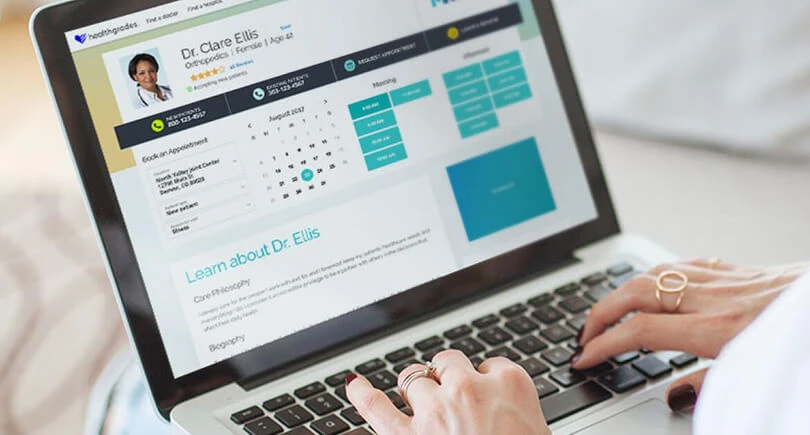

The past few years have pushed healthcare providers across the U.S. to rethink how they manage patient flow, staff availability, and daily operations. With rising patient expectations and ongoing workforce shortages, clinics and hospitals are actively adopting healthcare scheduling software to streamline everything from patient appointments to physician coordination. For many organizations, this technology isn’t just a convenience — it’s a lifeline for efficiency.
At its core, healthcare scheduling is about more than just picking dates on a calendar. It determines whether patients receive timely care, whether staff burnout is minimized, and whether facilities operate smoothly. When scheduling falls apart, everything downstream suffers — long wait times, no-shows, chaotic staffing, delayed treatments, and frustrated patients.
This is exactly why a wave of digital transformation is hitting the U.S. healthcare sector. Providers are realizing that their old systems — manual calendars, spreadsheets, phone-based booking — simply can’t keep up with today’s complex, high-demand care environment.
The Rise of Automation in Healthcare Scheduling
One of the biggest advantages of adopting healthcare staff scheduling software is automation. Instead of relying on time-consuming administrative tasks, clinics can automate appointment reminders, provider availability updates, follow-ups, and even triage-based scheduling. This not only saves time but reduces errors that often happen with manual scheduling.
Automation also helps patients get faster, more accurate appointment options. Patients today expect digital convenience — the same level of speed and transparency they get from hotels, airlines, and e-commerce. A modern scheduling system meets these expectations without placing additional strain on staff.
Reducing Burnout Through Better Staff Allocation
The U.S. healthcare workforce is strained. Staff shortages, overtime hours, and increased patient loads mean scheduling is more important than ever. Healthcare staff scheduling software plays a huge role in balancing workloads fairly. The system can automatically assign shifts, ensure compliance with labor rules, prevent double-booking, and give staff real-time access to their schedules.
That transparency matters. When nurses and physicians know their shifts well in advance — and can easily request swaps or adjustments — stress levels drop significantly.
Improving Patient Experiences with Smart Scheduling
Healthcare providers are competing more than ever for patient loyalty. And one of the biggest contributors to patient satisfaction? A smooth scheduling experience.
Healthcare scheduling tools now offer features such as:
- Online self-scheduling
- Automated waitlist prompts
- Intelligent triage routing
- Real-time appointment availability
- Telehealth scheduling
These capabilities reduce no-shows, shorten queues, and create a simpler experience for both patients and providers.
Data-Driven Scheduling for Smarter Decisions
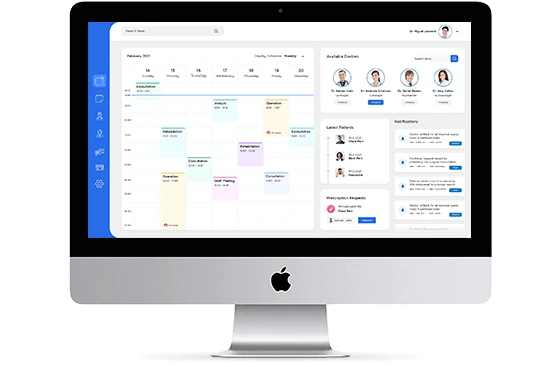
It’s not just about assigning appointments. Today’s healthcare scheduling software includes analytics dashboards that provide insights into patient volumes, staff performance, peak hours, and operational bottlenecks. Providers can use this data to optimize staffing levels, predict surges, balance workloads, and maximize revenue.
The Bottom Line
With digital transformation accelerating across the U.S., healthcare organizations are turning to smarter solutions to stay efficient and competitive. Tools like healthcare scheduling, healthcare staff scheduling software, and automated systems are no longer optional — they’re becoming the standard. By adopting them early, organizations can improve both operational efficiency and patient satisfaction, which ultimately leads to better outcomes and a more sustainable healthcare environment.






























Sign in to leave a comment.