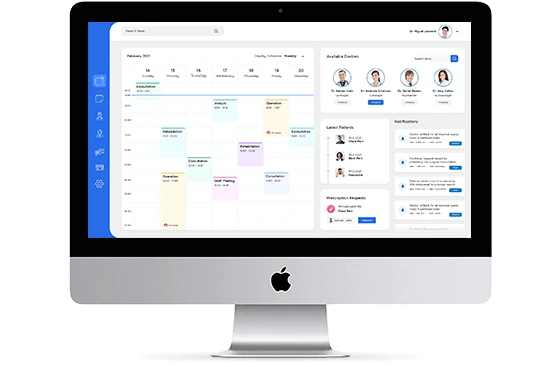

As healthcare organizations expand their services and patient volumes increase, scheduling becomes more complex and difficult to manage using generic tools. Many providers are now adopting custom healthcare scheduling systems that align with their unique operational workflows and regulatory requirements.
These tailored platforms form the foundation of modern healthcare scheduling solutions, enabling healthcare facilities to maintain flexibility while ensuring operational control.
The Need for Custom Scheduling in Healthcare
Off-the-shelf scheduling tools often fail to accommodate the specific needs of healthcare organizations, such as managing specialized departments, handling emergency cases, and complying with healthcare labor regulations.
Custom-built systems allow organizations to define their own scheduling rules, workflows, and reporting requirements. This level of customization ensures that scheduling processes reflect real-world clinical operations rather than forcing staff to adapt to rigid software structures.
Through advanced scheduling software in healthcare, organizations can integrate scheduling with electronic health records, billing systems, and communication platforms. This integration helps eliminate data silos and ensures that scheduling decisions are based on accurate and up-to-date information.
Enhancing Operational Control and Visibility
One of the major advantages of custom healthcare scheduling systems is the ability to provide administrators with comprehensive dashboards that display real-time scheduling data. These dashboards allow managers to monitor staff coverage, appointment volumes, and resource utilization across multiple departments.
With integrated healthcare scheduling solutions, healthcare leaders can quickly identify scheduling conflicts or staffing shortages and take corrective action before they affect patient care.
Supporting Multi-Location Healthcare Operations
Healthcare organizations operating across multiple locations often face additional scheduling challenges, including coordinating staff across facilities and maintaining consistent scheduling policies.
Custom scheduling platforms can be configured to support multi-location operations, ensuring that scheduling data is centralized while still allowing each facility to manage its own day-to-day operations. This scalability makes custom systems particularly valuable for growing healthcare networks.
Reducing Administrative Burden and Compliance Risks
Manual scheduling processes are not only time-consuming but also increase the risk of compliance violations related to work-hour limits and credential requirements. Automated scheduling platforms help reduce these risks by ensuring that staff assignments adhere to regulatory and organizational policies.
Through robust healthcare scheduling solutions, healthcare organizations can maintain accurate scheduling records, generate audit reports, and demonstrate compliance with labor and healthcare standards.
Building a Future-Ready Scheduling Infrastructure
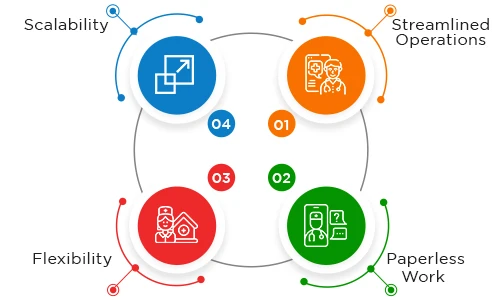
As healthcare continues to evolve, scheduling systems must be capable of adapting to new care models such as telehealth, outpatient expansion, and flexible staffing arrangements. Custom-built platforms offer the flexibility needed to support these changes without requiring major system overhauls.
By investing in intelligent scheduling software in healthcare and scalable custom healthcare scheduling systems, healthcare organizations can build a resilient infrastructure that supports long-term growth, operational efficiency, and improved patient experiences.




























Sign in to leave a comment.