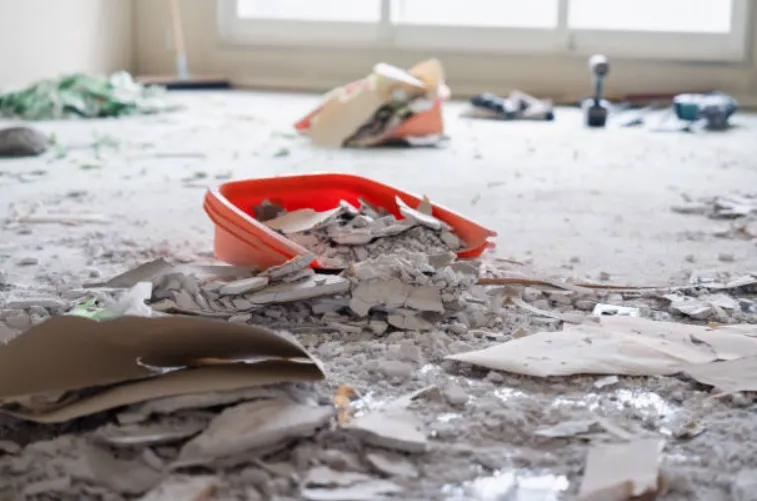

Demolishing older, low-density multi-residential properties—such as aging apartment blocks, legacy social housing complexes, or redundant retirement villages—is an essential step in unlocking valuable urban land for modern, high-density residential developments. These large-scale projects represent prime opportunities for developers to build state-of-the-art housing and address growing urban accommodation demands. However, because a vast majority of these sprawling residential structures were built during peak construction eras of the mid-to-late 20th century, their walls, ceilings, and service ducts host massive volumes of legacy hazardous materials. When development firms coordinate these large demolition projects, they often prioritize heavy machinery scheduling over careful environmental safety.
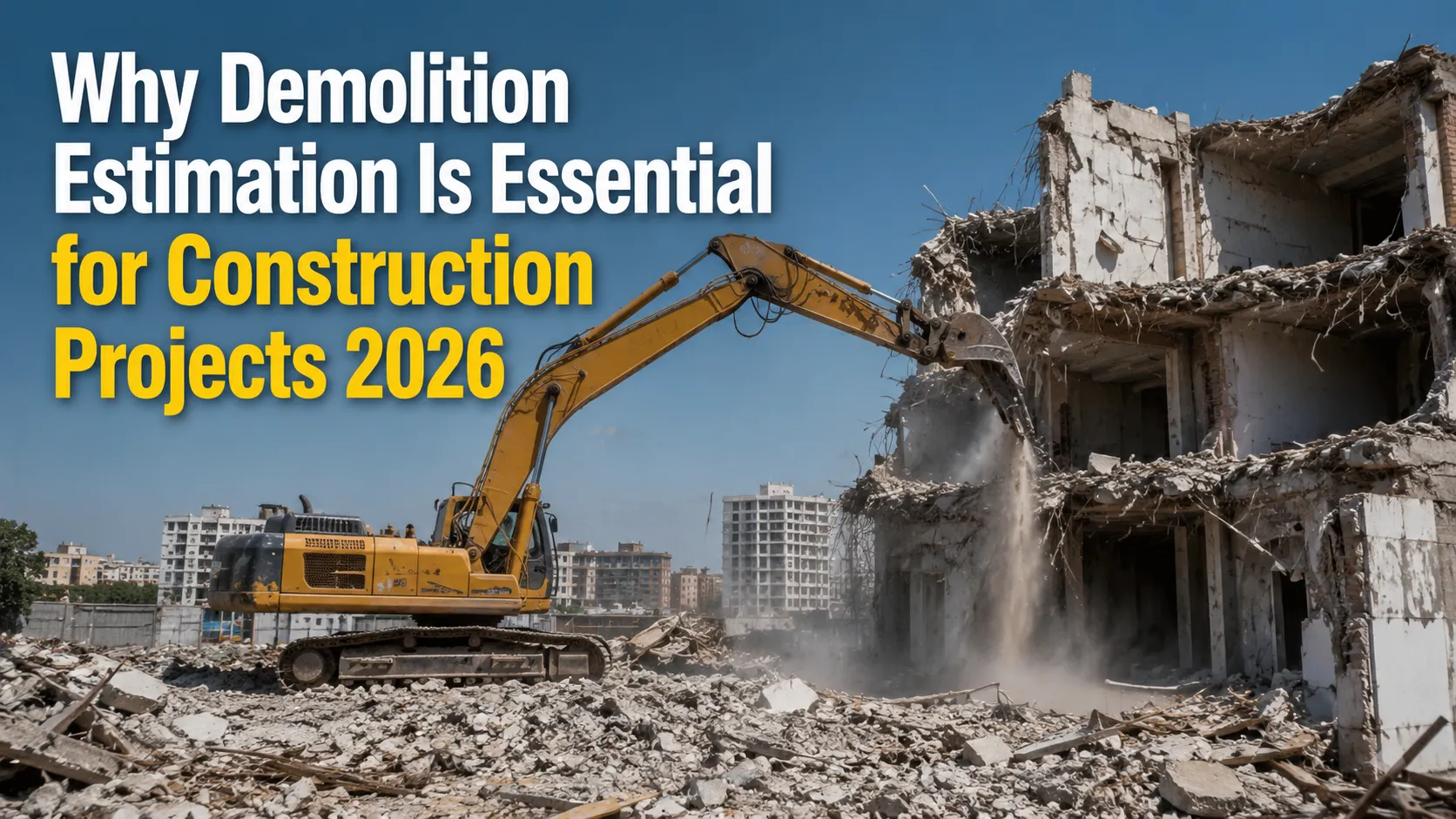
Multi-residential structures feature complex floor plans with hundreds of individual rooms, extensive plumbing networks, and fire-rated barriers that were heavily fortified with dense, durable mineral fibers. When a demolition contractor brings in heavy excavators and wrecking balls to crush these large concrete and timber frames without prior remediation, the physical impact pulverizes the brittle building components instantly. Implementing a dedicated phase of certified Asbestos Removal across the entire multi-residential footprint before any mechanical structural demolition begins is an absolute legal necessity. Taking a proactive, systematic approach to environmental management protects your onsite demolition crew, shields your development firm from severe environmental prosecution, and prevents toxic dust from drifting into surrounding residential neighborhoods.
The Unique Hazard of Internal Wet-Area Lining Boards and Vinyl Sheet Backing
In older multi-residential developments, internal wet areas—such as bathrooms, shared laundry blocks, and kitchens—were lined with highly durable, water-resistant fiber-cement wall boards. These boards were engineered to withstand high moisture levels and prevent rot behind tiled surfaces. Additionally, vinyl sheet flooring used in domestic kitchens and hallways routinely featured a soft, fibrous paper underlayment packed with mineral fibers to provide cushioning and sound dampening.
When heavy machinery begins ripping through these internal wet areas, these brittle backing papers and wall boards are easily crushed, releasing a high concentration of fine, inhalable dust into the open air. This dust is incredibly light and can easily travel hundreds of meters, settling onto nearby properties, active footpaths, and gardens. Utilizing specialized, manual extraction techniques to strip out these internal wet-area materials before structural demolition is the only dependable way to prevent widespread neighborhood contamination.
Securing Environmental Compliance and Avoiding Crushing Class-Action Liabilities
Executing a multi-residential demolition project in a populated suburban or urban setting requires operating under intense public scrutiny and strict local safety laws. If a developer fails to properly remediate the site and exposes neighboring families to airborne toxins, they face catastrophic legal consequences. Affected residents can band together to file massive class-action lawsuits, while environmental protection authorities can hand down crushing statutory fines that can easily bankrupt a development project.
By employing a fully licensed, accredited remediation contractor from the very beginning, you establish an ironclad legal defense and guarantee absolute regulatory compliance. Professional remediation teams handle the complete administrative and operational compliance lifecycle of your project, including managing complex multi-agency notification protocols and providing precise, legally binding waste tracking certificates. This comprehensive support ensures that your enterprise avoids embarrassing compliance failures, public scrutiny, or heavy environmental prosecution.
Conclusion
Achieving a clean, rapid multi-residential site clearance requires looking past the simple mechanics of heavy demolition to prioritize total environmental compliance from the outset. Allowing uncertified workers or heavy machinery to crush older residential frameworks without prior hazardous material extraction leads to severe regional contamination, ruined corporate reputations, and catastrophic financial liabilities. Partnering with a premier, licensed remediation contracting firm is the only dependable method to keep your development project compliant, your workforce safe, and your corporate capital secure.





















Sign in to leave a comment.