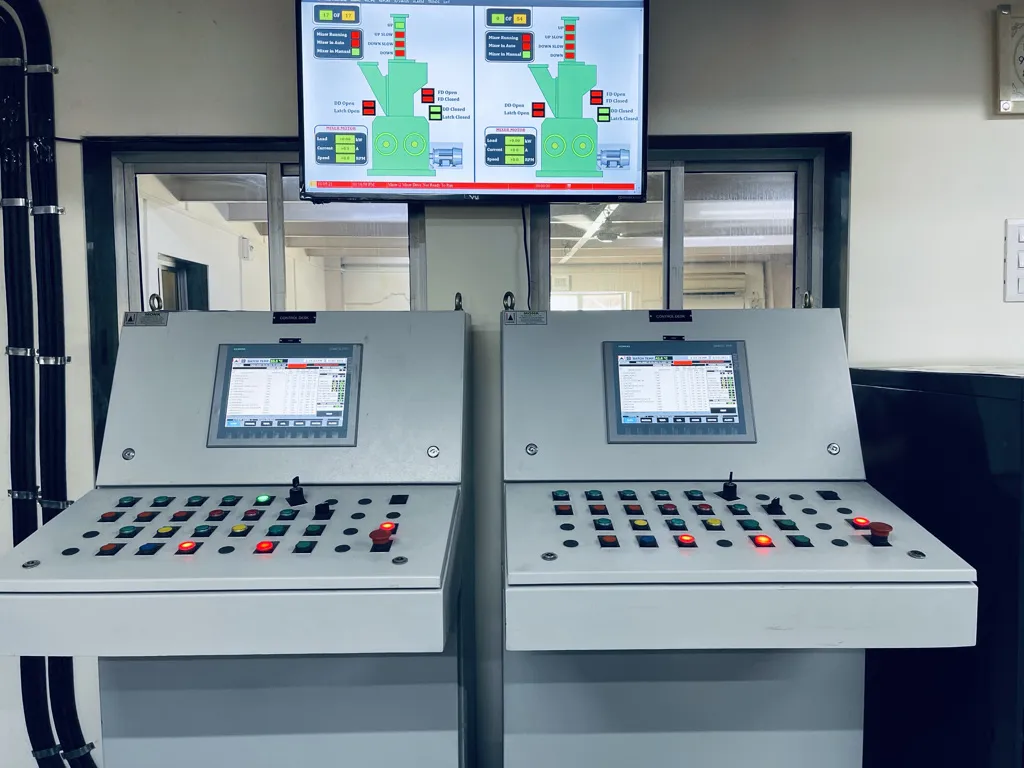

NITRILE PVC BLENDS are among the most preferred materials for manufacturing industrial bellows because they provide flexibility, durability, oil resistance, and excellent OZONE RESISTANCE NBR PVC properties. These characteristics help bellows maintain performance in demanding industrial environments where constant movement and environmental exposure are common.
What Are Industrial Bellows?
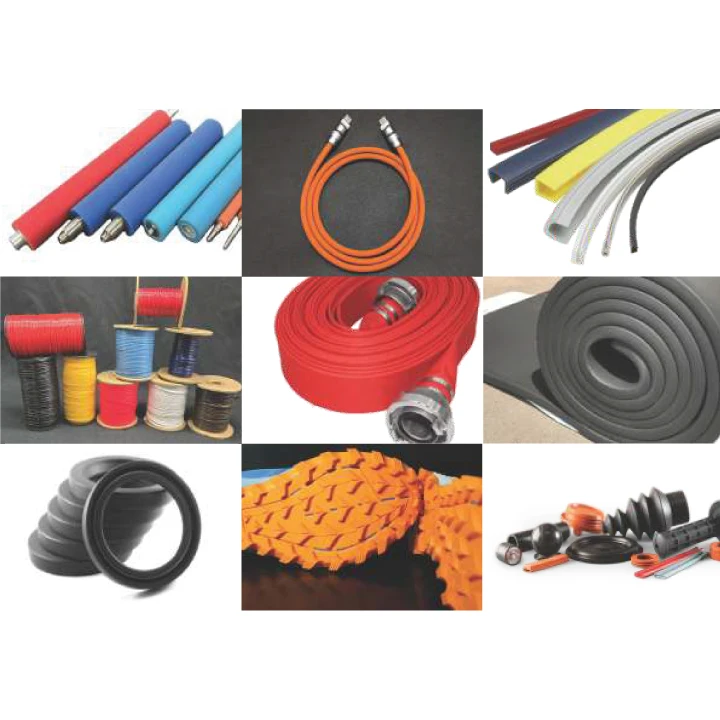
Industrial bellows are flexible protective components designed to shield machinery and moving parts from dust, dirt, moisture, chemicals, and environmental contaminants.
They are commonly found in:
- Industrial machinery
- Automotive systems
- Hydraulic equipment
- Pneumatic systems
- Material handling equipment
- Manufacturing plants
Bellows must continuously expand, compress, and flex during operation while maintaining their structural integrity.
Because of these demanding requirements, selecting the right BELLOWS manufacturing material is critical.
Why Material Selection Matters
The performance of a bellows depends largely on the material used in its construction.
A poor-quality compound may:
- Crack under repeated flexing
- Lose elasticity
- Degrade when exposed to oils
- Fail under environmental stress
Industrial users require bellows that can operate reliably for years with minimal maintenance.
This is where NITRILE PVC BLENDS offer significant advantages.
What Are Nitrile PVC Blends?
Nitrile PVC blends combine Nitrile Butadiene Rubber (NBR) with Polyvinyl Chloride (PVC).
The purpose of this combination is to merge the strengths of both materials.
NBR contributes:
- Oil resistance
- Fuel resistance
- Mechanical strength
PVC contributes:
- Weather resistance
- Improved processability
- Enhanced ozone resistance
The resulting compound provides balanced performance across a wide range of industrial applications.
Key Advantages of NBR-PVC Bellows
Excellent Flexibility
Bellows are constantly subjected to expansion and compression cycles.
A suitable BELLOWS manufacturing material must remain flexible throughout its service life.
NBR-PVC compounds provide excellent elasticity, allowing bellows to move repeatedly without cracking or losing performance.
Superior Ozone Resistance
One of the major causes of rubber degradation is ozone exposure.
Outdoor machinery and industrial equipment are frequently exposed to atmospheric ozone, which can cause surface cracking in ordinary rubber compounds.
The enhanced OZONE RESISTANCE NBR PVC characteristics help prevent premature deterioration and extend product lifespan.
Resistance to Oils and Industrial Fluids
Many bellows operate near hydraulic systems, lubricated machinery, and fuel-handling equipment.
The nitrile component provides excellent resistance to petroleum-based fluids.
This ensures that bellows maintain their shape and performance even in challenging industrial environments.
Long-Term Durability
Durability is a major consideration when selecting a BELLOWS manufacturing material.
Industrial downtime can be expensive.
NBR-PVC compounds provide:
- Abrasion resistance
- Mechanical strength
- Fatigue resistance
- Environmental durability
These qualities contribute to extended service life.
Applications of NBR-PVC Bellows
Because of their versatility, NITRILE PVC BLENDS are used in a wide range of industries.
Automotive Applications
Used in:
- Steering systems
- Suspension components
- CV joint boots
- Protective covers
Industrial Machinery
Applied in:
- Machine tool protection
- Hydraulic cylinders
- Pneumatic systems
- Robotic equipment
Infrastructure Equipment
Used for protecting moving components in transportation and engineering systems.
Why India is a Growing Hub for NBR-PVC Manufacturing
Today, several leading nbr PVC manufacturers in India supply advanced compounds for domestic and international markets.
India's growing rubber processing industry has invested heavily in:
- Polymer technology
- Compound development
- Quality control systems
- Specialized industrial formulations
As a result, manufacturers can access customized NBR-PVC grades designed for specific industrial requirements.
Expert Insight
Material engineers often recommend NITRILE PVC BLENDS for bellows because they provide multiple performance benefits in one compound.
Rather than choosing separate materials for flexibility, oil resistance, and weather resistance, manufacturers can achieve all these characteristics through a properly engineered NBR-PVC formulation.
This simplifies production while improving product performance.
Frequently Asked Questions
What is the best bellows manufacturing material?
The best material depends on the application, but NBR-PVC blends are widely used because of their flexibility, durability, and resistance properties.
Why are nitrile PVC blends used for bellows?
They provide oil resistance, flexibility, abrasion resistance, and ozone resistance.
What does ozone resistance mean?
Ozone resistance refers to a material's ability to withstand atmospheric ozone exposure without cracking or degrading.
Are NBR-PVC bellows suitable for industrial environments?
Yes. They perform exceptionally well in environments involving oils, fuels, dust, and mechanical movement.
Why are Indian manufacturers gaining popularity?
Many nbr PVC manufacturers in India offer advanced compound formulations and consistent quality for industrial applications.
Conclusion
Selecting the right BELLOWS manufacturing material is essential for ensuring long-term equipment reliability. NITRILE PVC BLENDS offer an ideal combination of flexibility, durability, oil resistance, and OZONE RESISTANCE NBR PVC properties.
As industrial equipment becomes more advanced and demanding, these compounds continue to provide manufacturers with a reliable solution for producing high-performance bellows capable of operating in challenging environments.









![The Benefits of Using a CNC Touch Probe [Infographic]](https://writeupcafe.com/data/post/1677697/bfdf3e040e67936848aa232d2dfe3d03.jpg.webp)







Sign in to leave a comment.