

Many diners visiting a New Jersey Indian restaurant immediately notice that the rice feels lighter, fluffier, and more aromatic than rice prepared at home. Whether paired with curries, kebabs, or biryani, restaurant-style rice improves the overall meal because every grain stays separate while still feeling soft and tender. This texture is not created by luck. Restaurants rely on careful preparation methods, quality ingredients, and precise cooking techniques to create rice that consistently feels balanced and flavorful during every dining experience.
High-Quality Rice Creates the Foundation
The texture of restaurant rice begins with selecting premium basmati rice. Long-grain basmati naturally cooks into separate and airy grains instead of becoming sticky or heavy. Restaurants also prefer aged rice because lower moisture content helps the grains expand evenly during cooking.
Chefs carefully inspect rice quality before preparation because broken grains can affect texture and presentation. This focus on ingredient selection allows restaurants to maintain consistency while creating rice that feels refined alongside rich Indian dishes served throughout the meal.
Washing Removes Excess Starch
Proper washing is another important reason restaurant rice feels different from homemade versions. Before cooking begins, chefs rinse the rice several times to remove extra starch coating the grains. Removing starch prevents clumping and helps maintain a lighter texture after steaming.
Many home cooks skip this process or rush through it, which often causes rice to feel dense or sticky. Restaurants take additional time during preparation because clean grains cook more evenly and absorb flavors without losing their individual texture during serving.
Soaking Helps the Grains Expand Evenly
Soaking rice before cooking is another technique widely used in Indian kitchens. Allowing the grains to rest in water helps them absorb moisture gradually before entering the cooking process. This preparation step reduces the chances of uneven cooking or broken grains later.
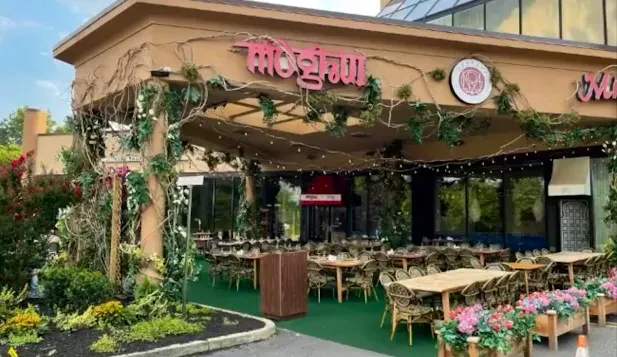
Guests dining at Moghul Restaurant, a fine dining Indian restaurant NJ, often notice how the rice appears long, delicate, and evenly cooked. Soaking helps achieve this appearance while also creating a softer interior texture that still remains light on the plate.
Controlled Cooking Temperatures Matter
Professional kitchens use controlled temperatures to ensure the rice cooks evenly from beginning to end. Excess heat can damage the grains, while inconsistent heat may leave some portions undercooked. Restaurant chefs monitor timing carefully to prevent these problems.
Many diners returning to a New Jersey Indian restaurant appreciate how the rice complements heavily spiced dishes without becoming overpowering. Balanced texture allows the rice to absorb sauces properly while still maintaining structure and presentation beside flavorful curries and grilled dishes.
Ingredients That Improve Aroma and Flavor
Restaurants also enhance rice with small ingredients that improve aroma without making the dish too strong.
- Cardamom adds gentle fragrance
- Bay leaves create earthy flavor
- Ghee provides richness and softness
- Cloves contribute warm spice notes
- Fresh herbs improve presentation
These additions remain subtle enough to support the meal while still making the rice feel more flavorful and complete for diners enjoying traditional Indian cuisine.
Restaurant Experience Enhances Perception
Atmosphere also influences how diners experience texture and flavor during meals. Warm rice served immediately beside curries, tandoori dishes, and fresh naan naturally feels more enjoyable in a restaurant setting than food prepared casually at home. Guests visiting a New Jersey Indian restaurant often associate the aroma of freshly steamed rice with comfort, freshness, and authenticity. Professional presentation, proper serving temperature, and consistent preparation all work together to make restaurant rice feel more satisfying.
Fresh Preparation Creates Better Results!
Fresh preparation plays a major role in achieving restaurant-quality texture. Indian restaurants often prepare rice throughout the day instead of storing large batches for long periods. Freshly steamed rice keeps its softness and structure far better than reheated rice prepared hours earlier.
This attention to freshness explains why guests continue returning to Indian restaurants for authentic meals with balanced flavors and perfectly prepared rice. From selecting premium basmati to controlling heat and preparation timing, every step contributes to creating rice that feels lighter, more aromatic, and far more satisfying than many homemade versions served at ordinary dinners.
If you want to know about private dining nj, here you get full info.





























Sign in to leave a comment.