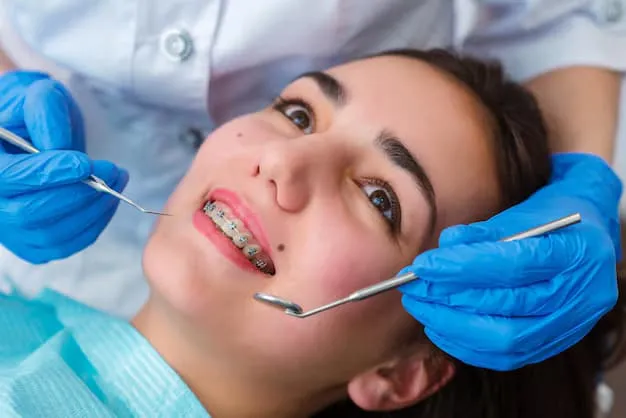

Orthodontic treatment has often been viewed through the lens of straight teeth or smile aesthetics. That view has been expanding. More people are now discussing orthodontics as part of preventive wellness, not only cosmetic care.
This shift reflects a broader change in how patients think about long-term health.
Instead of asking only how treatment may improve appearance, many people are asking how alignment may relate to maintenance, bite function, and protecting oral health over time.
That is one reason orthodontics is becoming part of preventive wellness conversations.
It reflects changing priorities.
Why Preventive Wellness Thinking Is Expanding
Preventive wellness is influencing many areas of healthcare.
People increasingly want to address concerns early, support long-term health, and make decisions that may help reduce future problems.
That mindset has influenced orthodontics, too.
Patients are asking whether alignment and bite relationships may play a role in long-term oral health planning.
That has helped bring orthodontics into conversations that go beyond aesthetics.
The shift is about perspective.
Not about redefining orthodontics as something it is not.
Patients Are Thinking Beyond Appearance
One reason this trend is growing is that patients are asking broader questions.
They may ask how alignment affects cleaning.
They may ask about bite-related concerns.
They may ask how maintaining tooth position fits into long-term oral care.
These conversations often bring orthodontics into preventive discussions.
That does not mean every patient needs treatment for preventive reasons.
It means people are increasingly considering orthodontic care within a broader health context.
Prevention Often Starts With Awareness
Many preventive decisions begin with awareness.
People learn about an issue, ask questions, and consider whether it deserves attention before it becomes more significant.
That pattern applies here, too.
As awareness grows around long-term oral health planning, orthodontics is being discussed more often as part of that conversation.
That is one reason the trend is growing.
People are connecting information in new ways.
Adults Are Helping Drive This Shift
Adult orthodontic growth has contributed significantly.
Many adults exploring treatment are thinking not only about appearance, but about long-term maintenance and oral health goals.
That broader thinking often leads to preventive questions.
And those questions are helping bring orthodontics into wellness conversations.
This is one reason the trend is especially visible among adults.
Retention and Maintenance Have Influenced the Conversation
Another reason orthodontics is being discussed through a preventive lens is the greater awareness of maintenance.
Conversations about retention, long-term stability, and protecting treatment results have helped reinforce the idea that orthodontic care may be connected to prevention.
Patients are paying attention to what happens not only during treatment, but after.
That broader focus has contributed to this shift.
Common Questions Patients Ask
Patients exploring this topic often ask:
- Why is orthodontics being discussed as part of preventive wellness?
- How does alignment relate to long-term oral health conversations?
- Why are more adults asking preventive questions about orthodontics?
- How do retention and maintenance fit into this trend?
- What questions should patients ask during a consultation?
These are thoughtful questions.
They reflect growing engagement.
Why This Reflects Bigger Changes in Healthcare
This trend is part of something larger.
Patients increasingly expect healthcare conversations to be more integrated.
They do not always separate aesthetics, function, and prevention into isolated categories.
They often want to understand how these ideas connect.
Orthodontics is part of that broader shift.
That is why the conversation is evolving.
Why This Trend May Continue
There are strong reasons it likely will.
Preventive thinking continues to grow.
Patients are asking more informed questions.
And awareness of long-term oral health planning is increasing.
Those factors support continued interest in orthodontics as part of preventive wellness conversations.
This does not mean orthodontic care is becoming a substitute for other preventive practices.
It means it is being considered within a broader context.
That is different.
What This Trend Really Reflects
At its core, this trend reflects changing patient priorities.
People want to think long term.
They want to understand how different aspects of care may connect.
They want to ask broader questions.
That is what growing interest in orthodontics as part of preventive wellness really reflects.
It is about perspective.
Why This Is Not About Oversimplifying Orthodontics
It is also important to be balanced.
This trend does not mean orthodontics should be framed as a universal preventive solution.
Treatment decisions still depend on individual needs, diagnosis, and thoughtful planning.
That remains essential.
The shift is about a broader discussion.
Not oversimplified claims.
That distinction matters.
Why This Matters for Patients
For patients, this trend may help support stronger questions.
Instead of asking only whether orthodontic treatment changes appearance, people may ask how it fits into long-term oral health planning.
That can lead to more informed conversations.
And that may be one of the biggest benefits of this shift.
Why Wellness Conversations Are Broadening
Wellness today often includes more than nutrition or exercise.
People increasingly include sleep, stress, oral health, and preventive care within that idea.
That broader definition helps explain why orthodontics is entering these discussions.
It reflects expanding thinking about wellness itself.
And that is significant.
Final Thoughts
Orthodontics is becoming part of preventive wellness conversations because more patients are thinking beyond aesthetics and asking how alignment, maintenance, and long-term oral health may connect.
This shift reflects growing awareness, broader health thinking, and more informed patient questions.
It does not redefine orthodontics.
It expands how people talk about it.
That helps explain why the trend continues to grow.
As preventive wellness remains a larger part of healthcare conversations, orthodontics will likely continue being part of that broader discussion.



























Sign in to leave a comment.