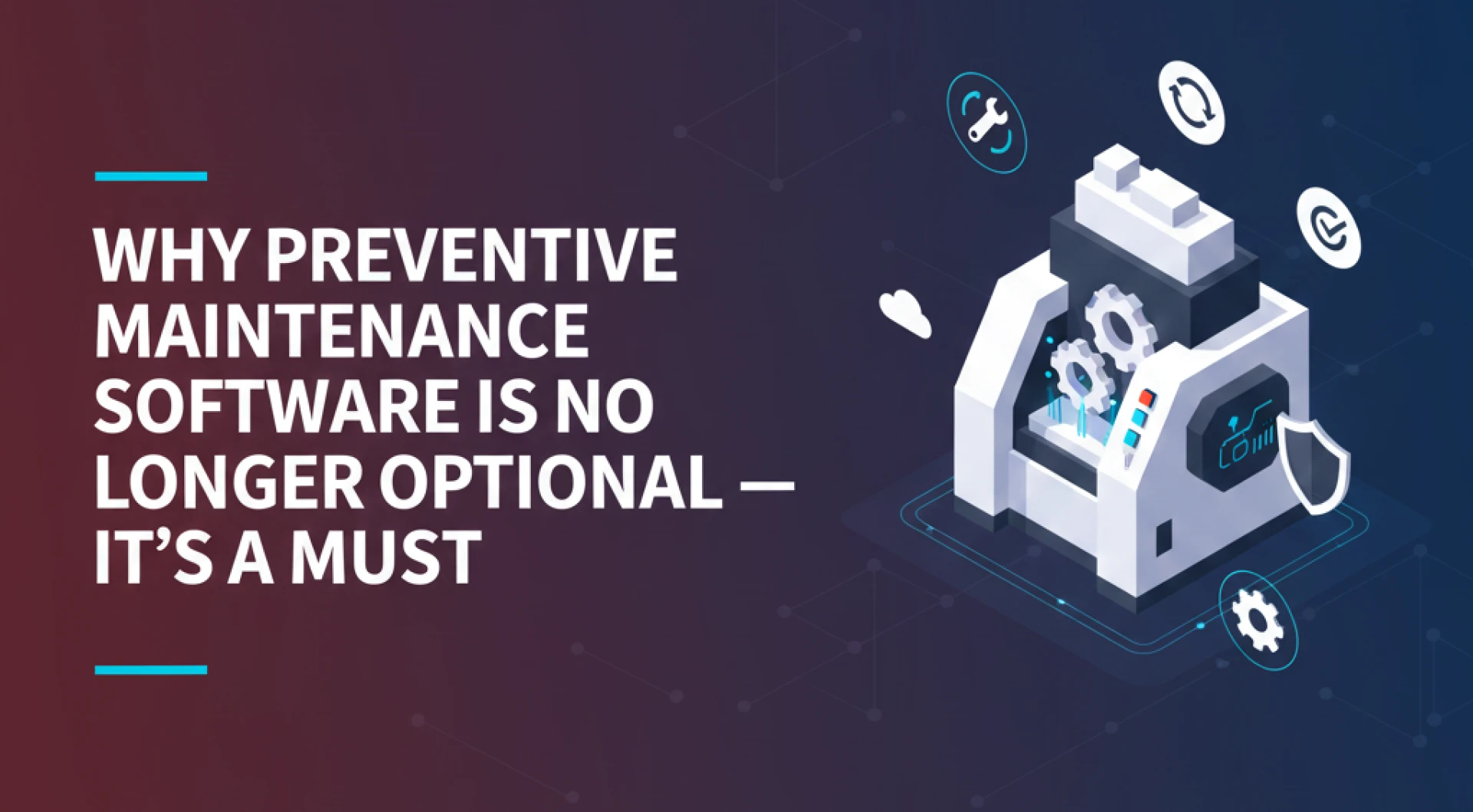
Facility management has undergone a massive transformation. What used to be manual checks and maintenance schedules is now evolving into data-driven, automated systems powered by IoT, analytics and smart workflows. Whether you manage a metro station, hospital, factory, or commercial building relying on manual reactive maintenance just doesn’t cut it anymore.
Understanding Preventive Maintenance
“Preventive maintenance” means acting before something fails. Instead of fixing breakdowns after they happen, you proactively maintain systems and equipment at regular intervals or based on performance data. Thanks to technologies like IoT sensors, real-time monitoring and analytics, facility managers can now anticipate issues long before they become costly disruptions.
There are different approaches within preventive maintenance based on how and when you decide to act:
- Usage-based maintenance: Maintenance triggered by usage — e.g. heavy production machines that run 24/7.
- Time-based maintenance: Scheduled maintenance at fixed intervals — useful for systems like HVAC or filters.
- Condition-based maintenance: Monitoring live performance data, and acting when real-time signals (vibration, temperature, etc.) show something’s off.
- Predictive maintenance: Using data analytics and historical failure patterns to forecast when a part might fail — before it shows any obvious symptom.
- Prescriptive maintenance: Going beyond prediction — the system suggests exact actions to avoid foreseeable issues.
Why Make the Shift: Key Benefits
Adopting preventive maintenance — especially through a robust software platform — delivers multiple benefits:
- Extended asset lifespan — Regular upkeep ensures machines and systems serve longer without degrading.
- Cost savings — Avoid expensive emergency repairs or part replacements caused by breakdowns.
- Reduced unplanned downtime — With proactive maintenance, equipment failures become rare, ensuring smooth operations.
- Improved safety — Avoiding sudden equipment failures reduces risk of accidents or disruptions in critical environments.
- Better sustainability — Well-maintained equipment runs efficiently, reduces waste, and avoids frequent replacements or part changes.
Why Preventive Maintenance Software Matters
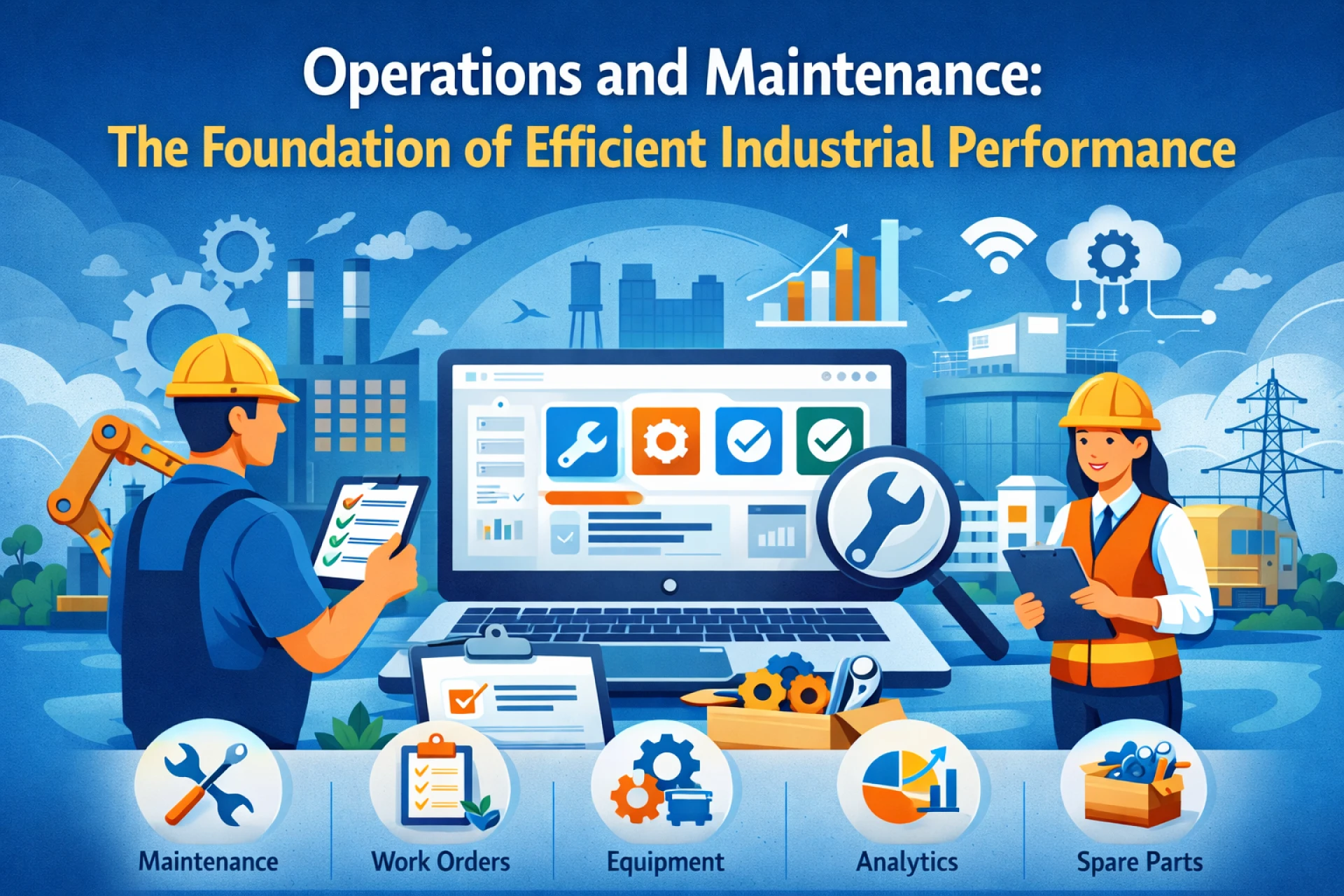
Manual maintenance checks — paper work orders, spreadsheets, or ad-hoc schedules — simply cannot keep up with scale, complexity, or reliability required in modern operations. A purpose-built preventive maintenance software — a CMMS (Computerized Maintenance Management System) — brings necessary automation, data tracking, scheduling, and oversight to maintenance workflows.
A strong software solution typically offers:
- Work order creation / assignment / tracking capability
- Maintenance scheduling and reminders
- Real-time asset health tracking (especially when integrated with IoT sensors)
- Maintenance history, asset data management, spare-parts/inventory tracking
- Reporting and dashboards to identify patterns or recurring issues
- Mobile access so technicians can update or view status from anywhere — ideal for multi-site operations.
Moreover, such software should allow customizable workflows — different industries and facilities have different needs. A large plant might need usage-based and predictive maintenance; a hospital might rely more on condition-based and time-based routines. Flexibility helps tailor maintenance plans to real-world requirements.
The Bottom Line: Future-Proof Your Facilities
In a world where assets are becoming smarter and operations more complex, sticking to reactive maintenance is a risky gamble. Preventive maintenance — paired with the right software — is not just a “nice to have”; it’s the backbone of reliable, safe, and efficient facility operations.
Investing in preventive maintenance today means fewer breakdowns tomorrow, lower costs, and longer asset lifespans. For any facility manager, operations head, or business leader, shifting to a proactive maintenance mindset isn’t optional — it’s essential.



























Sign in to leave a comment.