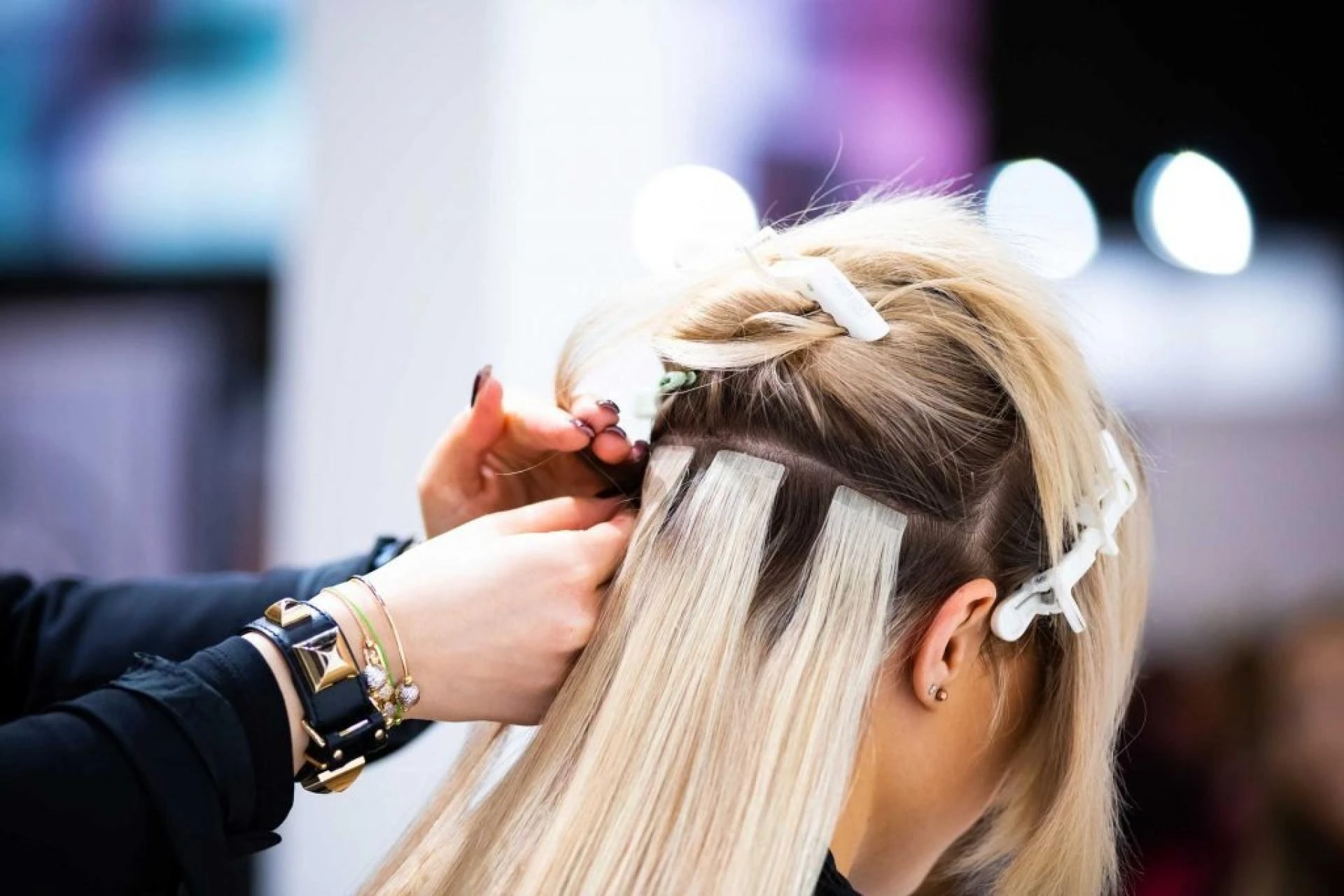

Many people struggling with thinning strands turn to extensions as a way to restore fullness and confidence. The idea of instantly thicker, longer hair sounds simple, but when the natural base is delicate, the method of application becomes just as important as the extensions themselves. Choosing a professional application is not just about achieving a polished look; it is about protecting fragile hair, ensuring comfort, and maintaining long-term health.
The Challenges of Working with Thin Hair
Thin or fine hair has different structural needs compared to denser textures. The strands are more fragile, and the scalp may be visible; even a small amount of weight or tension can cause breakage. When people try to apply extensions to thin hair using DIY kits or inexperienced hands, the results can be damaging. Clips that are too heavy may tug at the roots, adhesives may pull during removal, and improperly sized wefts can leave gaps that make the extensions look unnatural. Professional stylists understand these challenges and are trained to work around them with precise techniques.
Customized Methods Make All the Difference
Not all extensions are suitable for every client, especially when the natural base is fragile. A professional application ensures the right system is chosen for each situation. For example, tape-in extensions are lightweight and distribute evenly across the hair, making them a common choice for fine textures. Hand-tied wefts can also work well because they lie flat against the scalp, avoiding bulky or visible bonds.
A stylist considers the density of the natural strands, the placement of each bond, and the amount of weight the hair can support. A trained professional will map the scalp, adjust placement to avoid tension spots, and blend colors seamlessly so the result looks natural rather than patchy.
Protecting the Health of Natural Hair
Extensions should enhance a person’s appearance without putting their natural strands at risk. This is especially important for those with thinning hair, where every strand counts. Professionals know how to apply extensions in a way that avoids unnecessary stress on the scalp. For thin hair, they may use lightweight tape-in tabs or hand-tied wefts secured with tiny beads that are lined with silicone. These beads grip gently without cutting into the strands, spreading the weight over a larger section of hair. The bonds are placed slightly below the scalp, rather than directly at the root, which prevents pulling and reduces the risk of traction alopecia.
In contrast, poorly applied extensions can cause shedding, scalp irritation, or even long-term damage.
Blending for a Natural Appearance
One of the biggest giveaways of poorly applied extensions is the lack of blending. When the natural hair is fine, extensions can stand out if they are too dense, too long, or the wrong texture. A professional will carefully layer and style the hair so the extensions integrate seamlessly.
With extensions with thin hair, stylists often use fewer grams of hair, placed strategically to add fullness where it is needed most. They may also recommend shorter lengths or feathered ends to prevent the extensions from overwhelming the natural strands. These minor adjustments make the finished style look believable rather than artificial.
Maintenance and Aftercare Guidance
Extensions require upkeep, and thin hair needs special care to prevent stress and breakage. A professional application always comes with aftercare instructions tailored to the client’s situation. You’ll be taught how to brush gently without tugging at the bonds, which shampoos and conditioners to use, and how often to return for maintenance visits.
For example, tape-ins may need repositioning every six to eight weeks, while hand-tied wefts may require adjustment as the hair grows. With hair extensions for thin hair, sticking to these schedules prevents slippage and keeps the scalp healthy. Professional stylists also monitor the condition of the natural hair at each appointment, making sure it remains strong under the extensions.
Confidence Through Expertise
Beyond the technical side, professional application also provides peace of mind. Clients can feel confident knowing their hair is in expert hands. The stylist’s experience ensures that the extensions look natural, feel comfortable, and last as long as possible. Instead of worrying about visible bonds or damage, clients can enjoy styling freedom, curling, straightening, or simply wearing their hair down with confidence.
Conclusion
Hair extensions for thin hair can restore fullness and confidence when applied professionally, using safe methods and proper care to protect delicate strands while creating a natural, lasting look.

















Sign in to leave a comment.