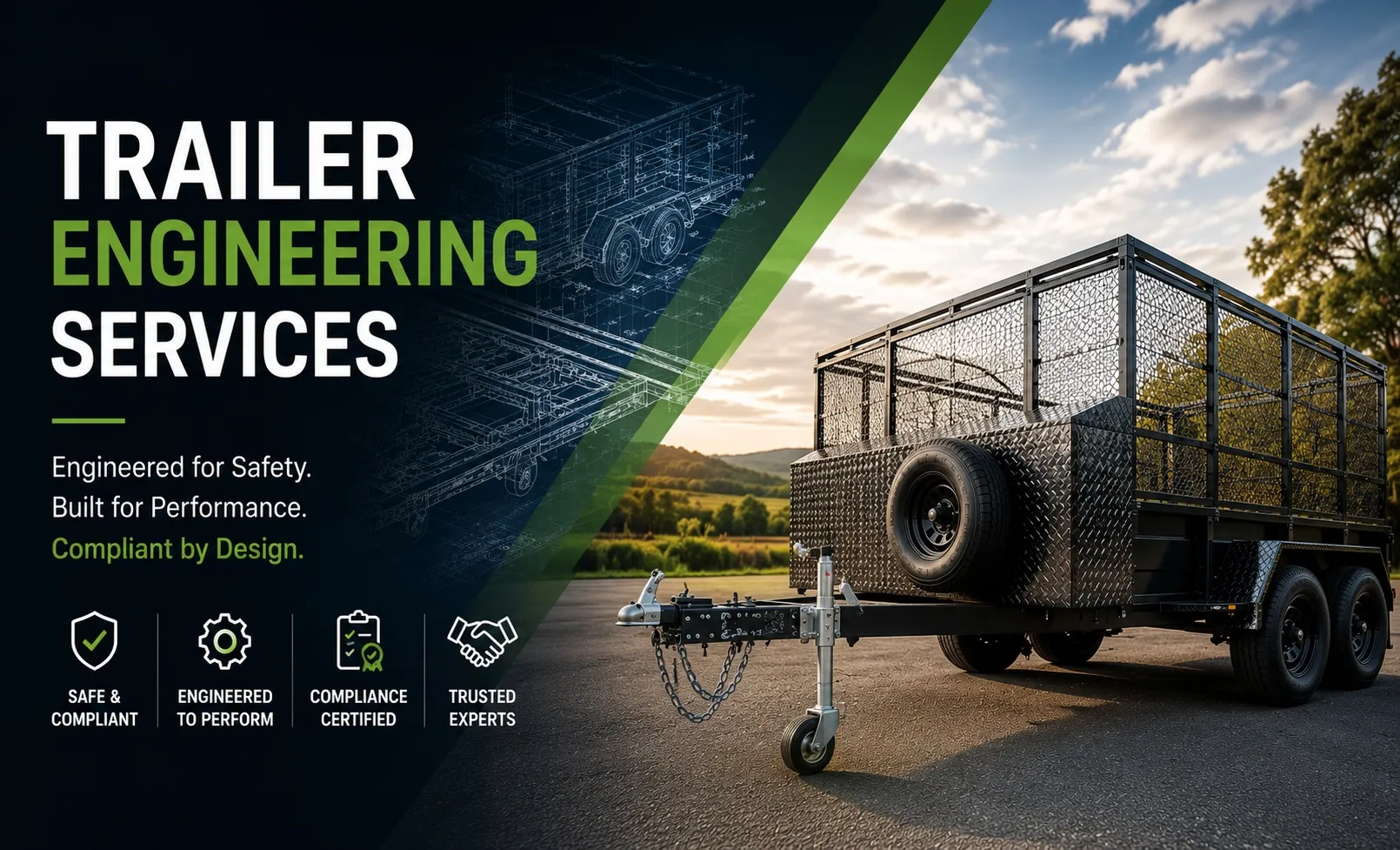

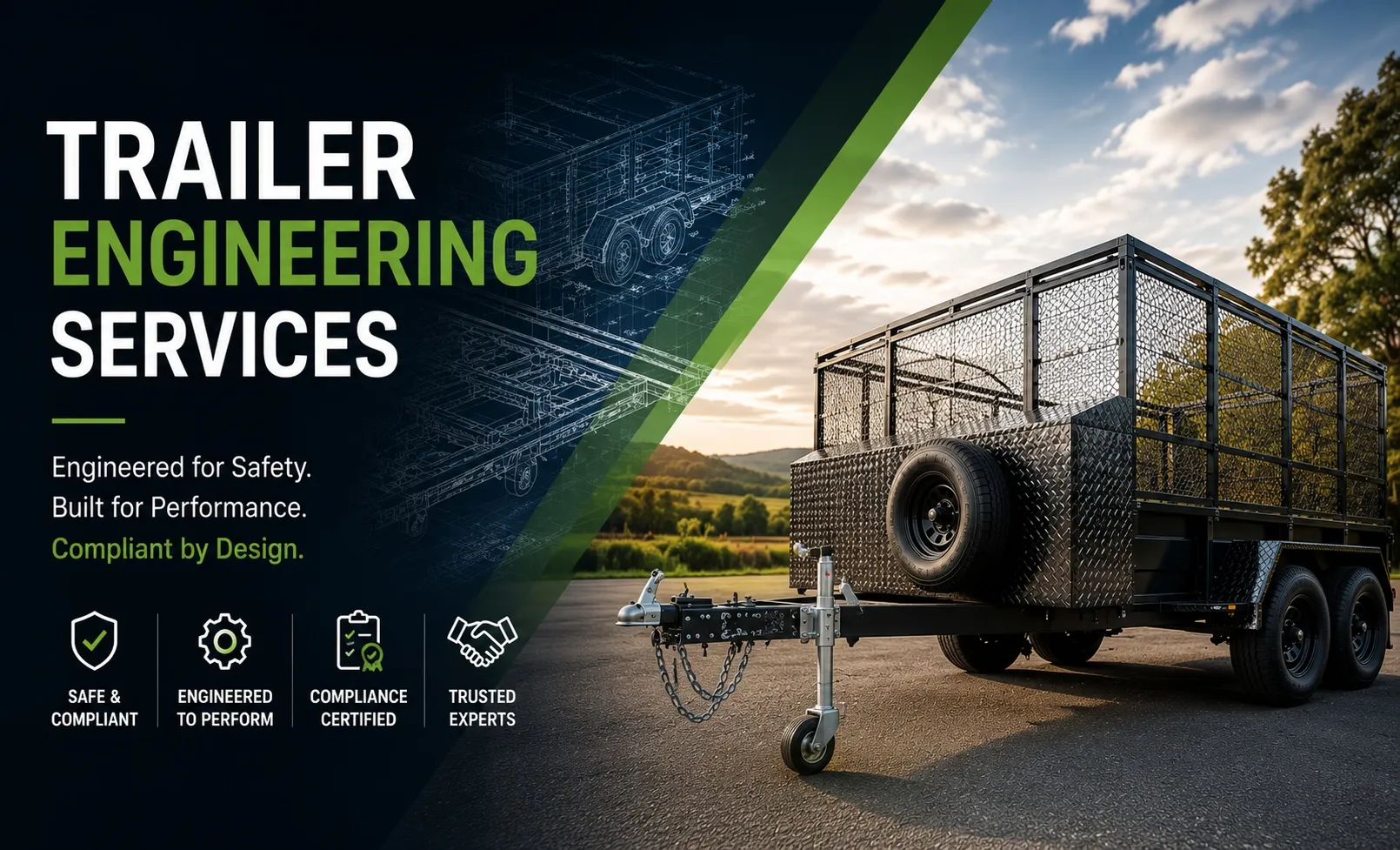
In the transport and heavy vehicle industry, a trailer is far more than a simple tow-behind structure. It is a precision-engineered piece of equipment that must perform reliably under demanding load conditions, variable road surfaces, and strict regulatory frameworks. Whether you operate a small fleet of flatbeds or manage a large-scale logistics operation, investing in qualified trailer engineering services is not just a best practice — it is an operational necessity.
The Complexity Behind Trailer Design
Many people underestimate the engineering discipline involved in designing, certifying, and modifying trailers. A standard semi-trailer must account for dynamic load distribution, braking performance, axle configuration, torsional stress, fatigue cycling, and compatibility with a range of prime movers. Getting any one of these factors wrong can lead to premature structural failure, dangerous handling characteristics, or costly non-compliance with transport authority requirements.
Professional engineering firms that specialise in trailers bring a deep understanding of Australian Design Rules (ADRs), state and territory heavy vehicle laws, and the National Heavy Vehicle Regulator (NHVR) framework. This expertise ensures that every trailer entering your fleet meets the standard required for legal operation on public roads.
When Do You Need Trailer Engineering Services?
There are several circumstances where engaging specialist trailer engineering services becomes essential. The most common include:
New Trailer Design and Manufacture: If you are commissioning a custom trailer — whether a low-loader, drop-deck, B-double configuration, or specialised livestock carrier — a qualified engineer must sign off on the design to confirm it meets structural and regulatory standards before fabrication begins.
Trailer Modifications: Extending the length of a trailer, adding extra axles, changing the coupling system, or reinforcing the deck are all modifications that require formal engineering assessment and certification. Operating a modified trailer without the appropriate documentation exposes operators to significant legal and financial liability.
Repairs After Structural Damage: Collision damage, overloading incidents, or fatigue cracking can compromise the structural integrity of a trailer. An experienced engineer will assess the extent of the damage, specify the correct repair methodology, and certify the repaired structure as fit for continued service.
Compliance Inspections and Certification: Many transport contracts and government tenders require vehicles to hold current engineering certification. Periodic inspections by accredited engineers provide documented assurance of safety and compliance.
“Trailer engineering is not merely a regulatory formality — it is the foundation upon which fleet safety, operational efficiency, and long-term asset value are built.”
The Role of Engineering Certification
In Australia, engineering certification for heavy vehicles carries significant legal weight. An engineer’s plate or report confirms that a trailer has been assessed by a qualified professional and found to comply with the relevant standards. Without this documentation, operators may face defect notices, vehicle impoundment, fines, and — in the event of an incident — serious questions around liability and insurance coverage.
Beyond compliance, certification provides peace of mind. Fleet managers can deploy certified trailers with confidence, knowing the structural and mechanical systems have been rigorously evaluated. For companies moving high-value or hazardous freight, this assurance is invaluable.
Choosing the Right Engineering Partner
Not all engineering firms are created equal. When selecting a provider of trailer engineering services, it is important to consider their accreditation, industry experience, and familiarity with the specific trailer types relevant to your operation. Look for firms that employ registered professional engineers with hands-on experience in heavy vehicle design, finite element analysis, and transport regulation.
A quality engineering partner will not simply rubber-stamp designs or repairs — they will engage collaboratively with your team, understand your operational requirements, and deliver solutions that are both technically sound and practically workable. The right firm will also stay current with evolving transport legislation, ensuring your fleet remains compliant as standards change.
The Cost of Cutting Corners
Some operators are tempted to minimise engineering costs by using uncertified workshops or bypassing formal assessment for minor modifications. This approach carries substantial risk. The cost of a single roadside defect notice, an insurance dispute following an incident, or the downtime associated with a structural failure far exceeds the cost of proper engineering certification upfront. More critically, trailer failures on public roads can endanger the lives of drivers and other road users — an outcome no business should be willing to risk.
In a highly regulated industry where margins can be tight, professional engineering is one area where cutting corners simply does not pay.
Conclusion
Trailers are the workhorses of Australian industry, moving everything from agricultural produce and construction materials to retail goods and industrial machinery. Keeping these assets safe, legal, and performing at their best requires the expertise of qualified engineers who understand the full scope of heavy vehicle design and regulation. Whether you need a new design certified, a fleet modification assessed, or post-repair documentation completed, engaging reputable trailer engineering services is the smart, responsible choice for any serious transport operator.
Investing in professional engineering today protects your fleet, your drivers, your business, and the public — delivering value that extends well beyond a single certification document.





























Sign in to leave a comment.