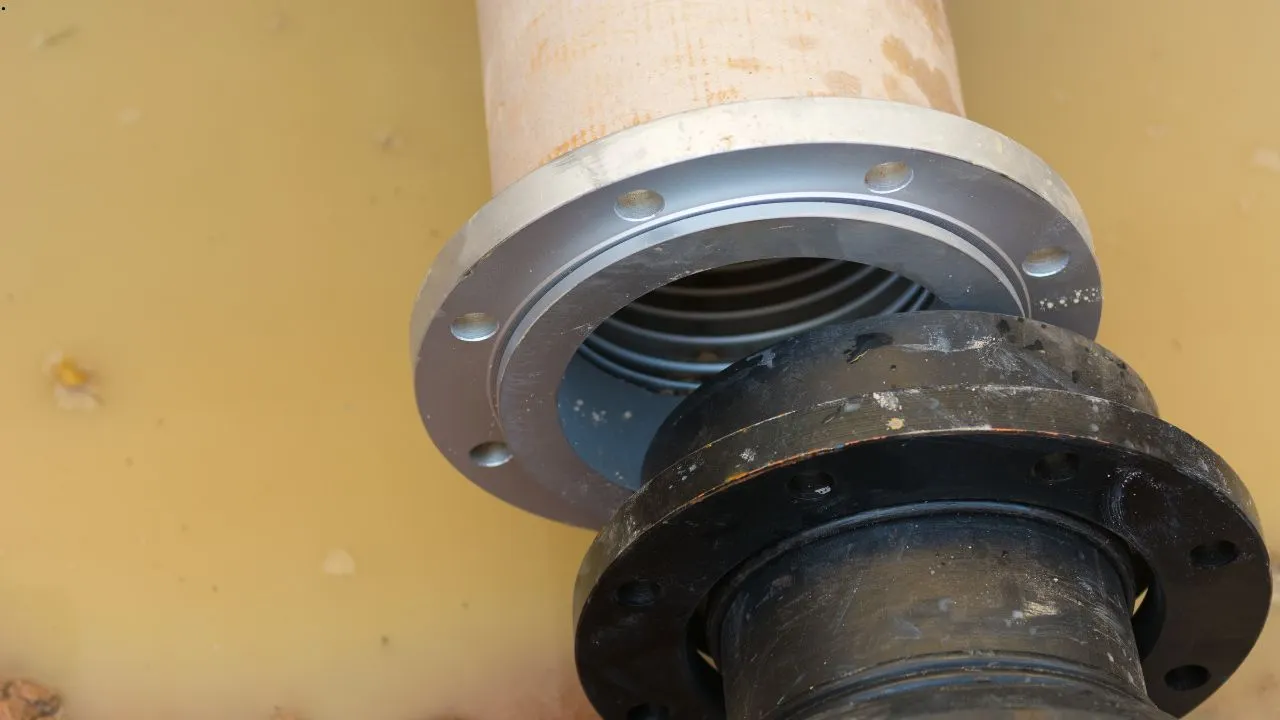

When designing or maintaining a hygienic processing facility, attention often focuses on major equipment such as tanks, pumps, heat exchangers, and processing lines. However, smaller details can have a significant impact on sanitation, regulatory compliance, and long-term maintenance costs.
One commonly overlooked area is pipe penetrations through walls, ceilings, and floors. While these openings may appear minor, improperly sealed penetrations can create sanitation challenges, harbor contaminants, and complicate facility cleaning procedures. For food processing, beverage production, pharmaceutical manufacturing, and other sanitary environments, properly addressing pipe penetrations is an important part of facility design.
The Challenges of Traditional Pipe Penetration Methods
Historically, facilities have used a variety of methods to seal pipe penetrations, including caulking, escutcheon plates, foam products, and custom-fabricated metal covers.
While these approaches may initially appear effective, many develop problems over time.
Caulking can crack, shrink, discolor, or separate from surfaces. Moisture intrusion may occur behind the seal, creating hidden areas where mold, bacteria, or other contaminants can develop. Escutcheon plates often leave gaps that are difficult to clean and may not provide a fully sanitary seal.
In facilities subject to regular washdowns, temperature fluctuations, and vibration, these shortcomings become even more apparent.
The result is often increased maintenance, repeated repairs, and greater sanitation concerns.
Why Hygienic Design Standards Matter
Modern hygienic design principles emphasize eliminating areas where contaminants can accumulate and ensuring all surfaces can be effectively cleaned.
Pipe penetrations present a unique challenge because they create transitions between equipment, utilities, and building structures. Any gaps, cracks, or inaccessible spaces can become potential harborage points.
This is particularly important in industries where product safety is critical, including:
- Food processing
- Dairy manufacturing
- Beverage production
- Pharmaceutical manufacturing
- Nutraceutical production
- Biotechnology facilities
Even seemingly small sanitation deficiencies can create operational risks if not properly addressed.
Benefits of Purpose-Built Pipe Sealing Solutions
Facilities increasingly use engineered pipe penetration seals designed specifically for hygienic environments. These products offer several advantages over traditional sealing methods.
Improved Sanitation
Purpose-built seals create smooth, cleanable surfaces that reduce opportunities for contamination. Their design minimizes crevices where dirt, moisture, or microorganisms can accumulate.
Easier Cleaning
Because the sealing surface is smooth and accessible, cleaning crews can more effectively sanitize the area during routine maintenance procedures.
Reduced Maintenance
Unlike caulking, which often requires periodic replacement, engineered sealing systems are designed for long-term durability and performance.
Professional Appearance
Consistent pipe penetration sealing creates a cleaner, more finished appearance throughout the facility. This can be beneficial during audits, inspections, customer visits, and facility tours.
Enhanced Compliance
Facilities operating under sanitary design guidelines can benefit from solutions specifically developed to support cleanability and hygienic construction practices.
Selecting the Right Pipe Penetration Seal
Not all pipe penetration solutions are created equal. When evaluating options, facilities should consider several factors.
Material compatibility is important, particularly in environments exposed to cleaning chemicals, moisture, temperature fluctuations, or washdown procedures.
The sealing solution should also accommodate the pipe size and installation requirements while maintaining a secure fit.
Ease of installation is another consideration. Products that simplify installation can reduce labor costs and minimize downtime during new construction or facility upgrades.
Durability should also be evaluated to ensure long-term performance under demanding operating conditions.
Supporting a More Hygienic Facility
Many facility improvements focus on large-scale investments, but some of the most effective sanitation upgrades involve addressing smaller details that impact everyday operations.
Pipe penetrations are present throughout most processing facilities, making them a frequent source of cleaning challenges when not properly sealed. By replacing outdated methods with engineered sanitary sealing solutions, facilities can improve cleanability, reduce maintenance requirements, and support overall hygiene objectives.
For organizations seeking a more reliable approach to sanitary pipe penetrations, a specialized pipetite wall boot provides a durable and hygienic solution designed specifically for processing environments.
By incorporating hygienic pipe penetration sealing into facility design and maintenance programs, companies can improve operational efficiency while supporting the cleanliness standards required in modern manufacturing environments.





























Sign in to leave a comment.