
Maintaining optimal oral health is essential for overall well-being, yet many individuals overlook a key aspect of their dental care: regular visits to a dental hygienist. While most people are aware of the importance of brushing and flossing, professional cleanings and examinations play a critical role in preventing dental issues and promoting long-term health.
This article explores why regular visits to a dental hygienist are crucial and how they benefit both your oral health and your overall quality of life.
Understanding the Role of a Dental Hygienist
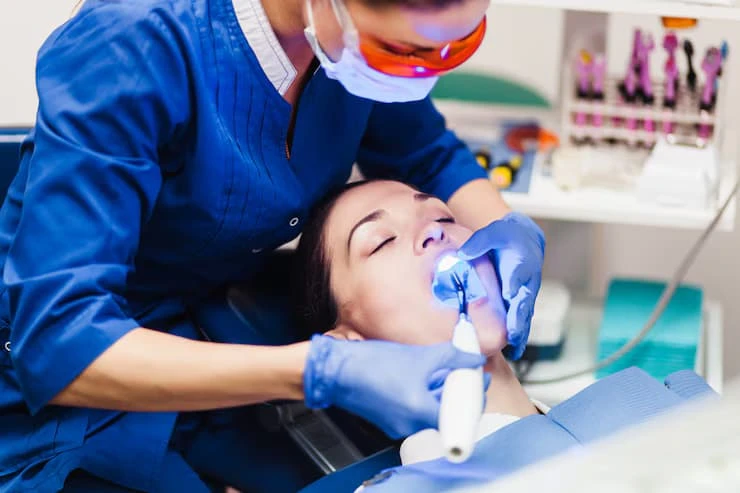
Dental hygienists are licensed dental professionals who specialize in the prevention and treatment of oral diseases. Their primary responsibilities include performing teeth cleanings, conducting assessments of oral health, and providing education on proper oral hygiene practices. Hygienists work closely with dentists to ensure that patients receive comprehensive care.
During a typical visit, a dental hygienist will:
- Conduct a Thorough Oral Examination: This includes checking for signs of gum disease, cavities, and other oral health issues. Hygienists may also take X-rays to evaluate the health of the teeth and jawbone.
- Perform Professional Cleanings: Using specialized tools, dental hygienists remove plaque and tartar buildup from teeth. This cleaning process helps prevent cavities and gum disease.
- Provide Personalized Oral Health Education: Hygienists educate patients about effective brushing and flossing techniques, as well as dietary choices that can impact oral health.
- Apply Preventive Treatments: Many hygienists apply fluoride treatments and dental sealants to protect teeth from decay and strengthen enamel.
The Importance of Preventive Care
Preventive dental care is vital to maintaining good oral health. Regular visits to a dental hygienist help identify potential problems before they become serious. Here are several reasons why preventive care is essential:
1. Early Detection of Issues
Many dental problems, such as cavities and gum disease, can develop without noticeable symptoms. Regular visits allow dental hygienists to catch these issues early, making them easier and less expensive to treat. For example, identifying gingivitis (the early stage of gum disease) can lead to simple interventions that prevent progression to more severe forms of periodontal disease.
2. Removal of Plaque and Tartar
Even with diligent brushing and flossing, plaque can accumulate in hard-to-reach areas of the mouth. Over time, plaque hardens into tartar, which can only be removed through professional cleaning. Tartar buildup can lead to cavities and gum disease, making regular cleanings essential for maintaining oral health.
3. Reduction of Bad Breath
Persistent bad breath, or halitosis, can be a source of embarrassment and may indicate underlying dental issues. Regular cleanings help eliminate bacteria and food particles that contribute to bad breath. By addressing these issues, dental hygienists can help improve your breath and overall oral freshness.
4. Improved Gum Health
Healthy gums are crucial for maintaining tooth stability and preventing tooth loss. Regular visits to a dental hygienist can help detect early signs of gum disease. Through professional cleanings and education on proper oral care, patients can maintain healthy gums and reduce the risk of periodontal disease.
5. Enhanced Overall Health
Oral health is closely linked to overall health. Research has shown that poor oral hygiene can contribute to systemic health issues, including heart disease, diabetes, and respiratory problems. Regular visits to a dental hygienist help maintain oral health, which can, in turn, support overall well-being.
Personalized Oral Health Education
A significant benefit of visiting a dental hygienist is the personalized education provided during appointments. Hygienists can offer tailored advice based on an individual's specific oral health needs and lifestyle. This education may include:
- Brushing and Flossing Techniques: Hygienists can demonstrate effective brushing and flossing methods to ensure that patients are cleaning their teeth properly.
- Dietary Recommendations: Certain foods and beverages can contribute to dental problems. Hygienists can provide guidance on making healthier choices that support oral health.
- Smoking Cessation Support: Tobacco use significantly increases the risk of gum disease and oral cancer. Dental hygienists can offer resources and support for individuals looking to quit smoking.
- Customized Oral Care Plans: For patients with specific dental concerns, hygienists can help develop personalized oral care plans that may include additional cleanings, specialized treatments, or referrals to other dental specialists.
Cost-Effectiveness of Preventive Care
Investing in regular visits to a dental hygienist can result in significant cost savings in the long run. Preventive care is typically less expensive than restorative treatments required to address advanced dental issues. For example, treating a cavity with a filling is generally more affordable than addressing a root canal or extraction due to neglect. By prioritizing preventive care, patients can reduce their overall dental expenses and avoid the discomfort associated with more invasive procedures.
Frequency of Visits
Most dental professionals recommend visiting a dental hygienist every six months for routine cleanings and exams. However, the frequency may vary based on individual needs and risk factors. Some patients, especially those with a history of gum disease or other oral health issues, may benefit from more frequent visits. It’s essential to discuss your specific situation with your dental hygienist or dentist to determine the best schedule for you.
The Impact on Quality of Life
The benefits of regular visits to a dental hygienist extend beyond oral health. Improved oral hygiene and health can enhance quality of life in several ways:
- Increased Confidence: A healthy, radiant smile can boost self-esteem and confidence, positively impacting social interactions and professional relationships.
- Better Nutrition: Maintaining good oral health allows individuals to enjoy a wide variety of foods without discomfort, promoting better nutrition and overall health.
- Reduced Anxiety: Regular visits to a dental hygienist can help individuals become more comfortable with dental care, reducing anxiety associated with dental appointments.
- Long-Term Health: By maintaining good oral health through regular hygienist visits, individuals can support their overall health and well-being, reducing the risk of systemic health problems.
Building a Relationship with Your Dental Hygienist
Establishing a trusting relationship with your dental hygienist can enhance the effectiveness of your visits. A good hygienist will take the time to understand your unique needs and concerns, making your appointments more productive and enjoyable. Open communication is key; don’t hesitate to ask questions or express any concerns about your oral health.
Regular visits to a dental hygienist are a cornerstone of maintaining optimal oral health. Through preventive care, personalized education, and early detection of issues, dental hygienists play a vital role in helping individuals achieve and maintain healthy smiles. By prioritizing these visits, you not only improve your dental health but also enhance your overall quality of life. Investing in your oral health today can lead to a healthier, brighter future.





























Sign in to leave a comment.