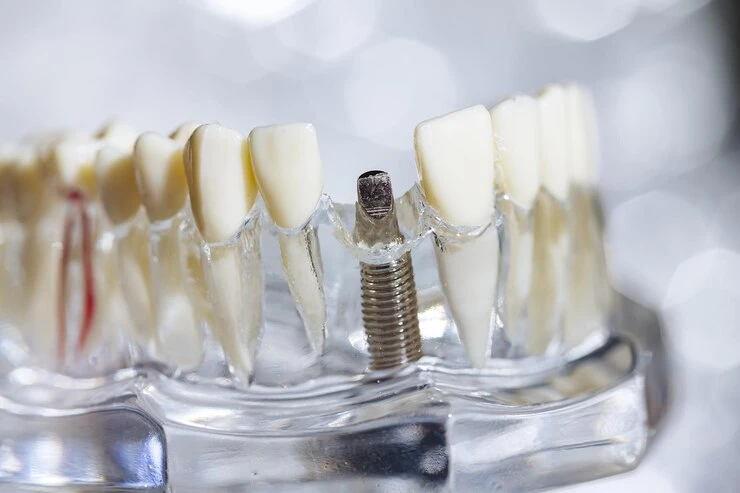

Dental implants have revolutionized restorative dentistry, offering a permanent solution for missing teeth and providing patients with the ability to regain their smile and functionality. The process of getting dental implants can seem daunting, particularly for those who have never undergone such a procedure before. Understanding what to expect can alleviate some of the anxiety associated with the treatment.
In this article, we will delve into the various stages of the dental implant procedure, the benefits, and what patients should anticipate during the entire process.
Initial Consultation and Planning
The journey towards dental implants begins with an initial consultation with a qualified dental professional. This step is critical as it allows the dentist to assess your overall oral health, discuss your medical history, and determine whether you are a suitable candidate for implants. During this appointment, the dentist will take digital X-rays and potentially 3D imaging to evaluate the bone structure where the implants will be placed. This imaging is essential because sufficient bone density is needed to support the implants effectively.
In addition to assessing bone health, this consultation is an opportunity for patients to express their concerns and ask questions about the procedure. The dentist will explain the various types of dental implants available and discuss the associated costs and timelines. This transparent dialogue helps set realistic expectations and ensures that the patient is fully informed before moving forward.
Treatment Planning and Preparation
Once the initial consultation is complete and the dentist has confirmed that you are a suitable candidate for dental implants, the next phase is treatment planning. This phase involves developing a tailored treatment plan that considers the specifics of your case, including the number of implants needed and any preparatory procedures required. For instance, if there is insufficient bone density, a bone graft may be necessary to create a stable foundation for the implants.
Preparing for the procedure also involves discussing anaesthesia options. Many patients opt for local anaesthesia, which numbs the area around the implant site, while others may prefer sedation dentistry to help them relax throughout the procedure. The choice of anaesthesia can greatly influence the patient’s comfort level during the treatment, which is a crucial factor to consider.
The Surgical Procedure
On the day of the dental implant surgery, patients typically arrive at the dental practice with a mix of anticipation and nervousness. The surgical procedure itself usually takes place in a sterile environment, ensuring the utmost care for patient safety. After administering the chosen anaesthesia, the dentist will begin by making a small incision in the gum tissue to expose the bone where the implant will be placed.
The next step involves drilling a precise hole into the jawbone, which will serve as the anchor for the dental implant. This titanium post is then inserted into the bone and serves as a replacement root for the missing tooth. One of the remarkable aspects of dental implants is that they integrate with the bone over time through a process known as osseointegration. This biological interaction not only secures the implant in place but also helps maintain the integrity of the jawbone, preventing bone loss that often occurs with missing teeth.
After the implant is securely in place, the dentist will close the incision with sutures. Patients may experience some swelling and discomfort following the procedure, but these symptoms are typically manageable with prescribed pain medication. It's important to follow post-operative care instructions diligently to facilitate healing and ensure optimal results.
Healing and Osseointegration
Following the surgical placement of dental implants, the healing process begins. This phase can take several weeks to months, during which the titanium post integrates with the jawbone. During this time, patients might be given a temporary restoration, allowing them to maintain their appearance and functionality while the implant heals.
Monitoring the healing process is crucial, and regular follow-up appointments with the dentist will be scheduled to assess the integration of the implant. These visits provide an opportunity for the dentist to address any concerns and ensure that the healing is progressing as expected. For many patients, this phase is marked by a sense of anticipation as they look forward to the final restoration that will complete their treatment.
Final Restoration and Enjoying Your New Smile
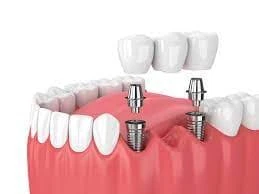
Once the dental implants have successfully integrated with the jawbone, the final phase involves placing the permanent restoration, typically a crown, bridge, or denture, depending on the number of implants and the specific needs of the patient. The dentist will take impressions of the mouth to create a custom restoration that matches the natural teeth in colour and shape, ensuring a seamless appearance.
When the permanent restoration is securely attached to the dental implants, patients can finally enjoy the full benefits of their new smile. The restoration not only enhances aesthetics but also restores functionality, allowing patients to eat, speak, and smile confidently. Unlike traditional dentures, which can shift or slip, dental implants provide a stable and secure solution that feels as close to natural teeth as possible.
Long-Term Care and Maintenance
Even after the dental implant procedure is complete, long-term care and maintenance are vital to ensure the longevity of the implants. Regular dental check-ups and cleanings play a crucial role in maintaining oral health and monitoring the condition of the implants. Practicing good oral hygiene at home, including brushing and flossing, is essential to prevent infections and complications.
Patients often find that their dental implants improve their quality of life significantly. With proper care, dental implants can last for many years, providing a durable and reliable solution for missing teeth. The emotional and psychological benefits of having a complete smile cannot be overstated, as many patients report increased self-esteem and a renewed sense of confidence following their implant procedure.
In summary, understanding what to expect during the dental implant process can significantly ease the apprehension that often accompanies such treatments. From the initial consultation to the final restoration, each phase is designed to ensure the best possible outcomes for patients. With advancements in dental technology, the journey toward achieving a complete and functional smile has never been more accessible, allowing individuals to embrace life with renewed confidence and joy.




























Sign in to leave a comment.