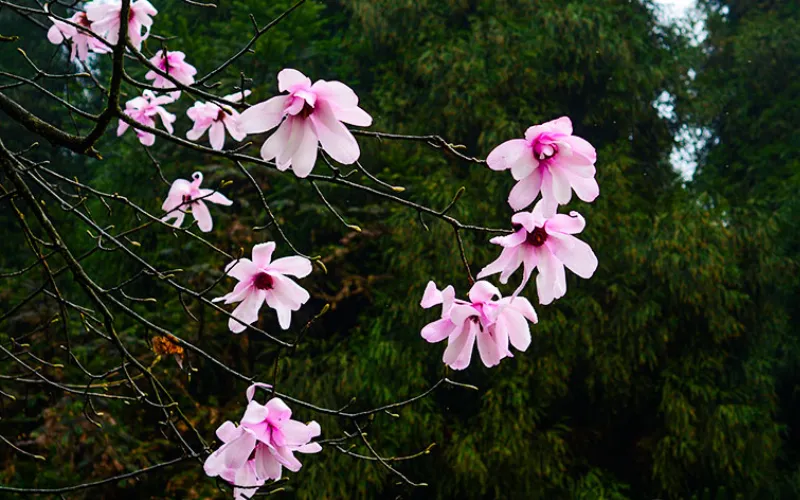

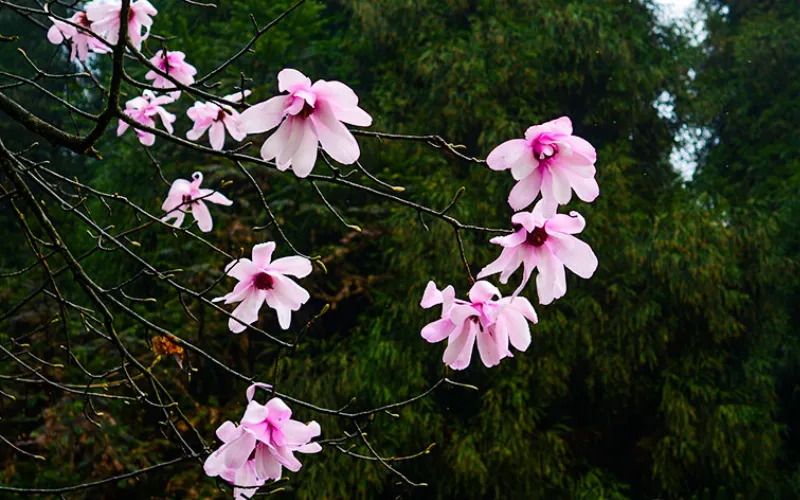
Sichuan is one of China’s most rewarding regions for people interested in rare plants, alpine landscapes, and wild orchids. Its forests, valleys, mountains, and protected reserves provide habitats for species that can be difficult to find anywhere else.
Yet these plants exist within fragile ecosystems. Many have very specific requirements for altitude, moisture, temperature, and soil conditions. When habitats are disturbed, rare orchids and other wildflowers can quickly become vulnerable.
This is why responsible nature tourism can play a useful role in China wildflower conservation. Carefully managed botanical travel can increase appreciation for rare plants, generate income for local communities, and encourage visitors to protect rather than disturb the landscapes they come to experience.
Why Sichuan Is Important for Wild Orchids
Sichuan’s varied geography creates many different microclimates within a relatively broad region.
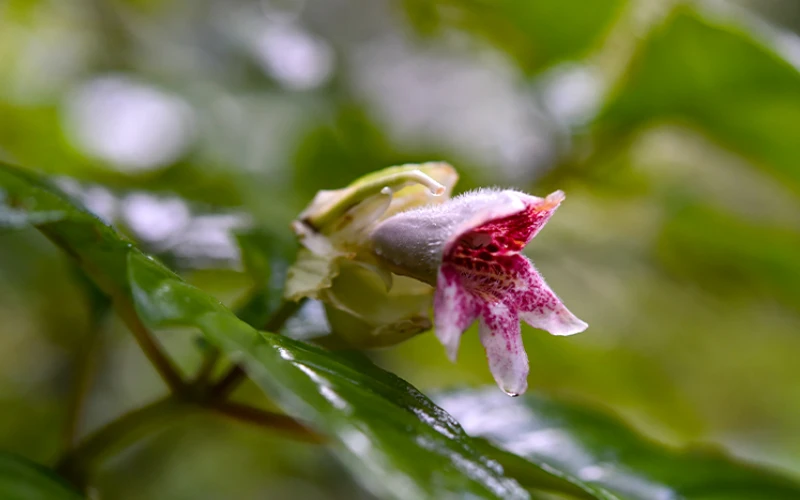
Lower forest zones, mountain valleys, high - altitude meadows, and protected woodland environments support different groups of plants. Travellers exploring areas such as Wanglang Nature Reserve, Tangjiahe, and locations around Qingxi Ancient Village may encounter a variety of wild orchids.
Species associated with these environments may include :
- - Cypripedium tibeticum
- - Pleione bulbocodioides
- - Paphiopedilum micranthum
- - Various Habenaria species
- - Different Dactylorhiza species
Each species may have its own flowering period and habitat preference. Some appear only at specific elevations, while others depend on moist woodland, shaded slopes, or particular soil conditions.
This makes wild orchid observation both exciting and challenging.
What Threatens Wild Orchid Habitats ?
Rare flowers can appear healthy in isolated locations while still facing serious long - term pressures.
Several factors may threaten their survival, including :
Habitat Loss
Road construction, urban expansion, agricultural development, and deforestation can reduce or fragment natural habitats.
When habitats become smaller, plant populations may become isolated and more vulnerable.
Illegal Collection
Rare orchids can attract collectors because of their appearance, perceived medicinal value, or commercial demand.
Removing plants from the wild may reduce already limited populations and interfere with natural reproduction.
Climate Change
Temperature and rainfall influence flowering times and growing conditions.
Changes in climate can alter the delicate balance that some alpine and forest plants depend upon.
Limited Public Awareness
Wildlife conservation often receives more public attention than plant conservation.
Rare flowers can disappear gradually without generating the same level of concern as threatened animals.
Education therefore becomes an important part of protecting botanical diversity.
How Tourism Can Support Conservation
Tourism does not automatically benefit nature.
Large crowds, poorly controlled access, littering, and off - trail activity can damage fragile environments. However, low - impact botanical tourism can work differently.
Responsible tours are designed to help visitors experience nature while reducing unnecessary disturbance.
They may contribute to conservation by :
- - Bringing attention to overlooked plant habitats
- - Encouraging visitors to value flowers without collecting them
- - Supporting local guides and small businesses
- - Creating economic reasons to maintain healthy ecosystems
- - Increasing awareness of rare and endangered species
When visitors understand why a habitat matters, they may be more likely to support its protection.
Supporting Local Communities Through Nature Travel
Conservation often works best when local communities benefit from keeping natural environments healthy.
Responsible tourism can create opportunities for :
- - Local guides
- - Family - run accommodation
- - Village restaurants
- - Transportation providers
- - Local craftspeople
- - Community - based tourism services
When income comes from visitors who want to see wildflowers in their natural habitats, protecting those habitats can become economically valuable.
This creates an alternative to activities that may damage ecosystems through excessive extraction or uncontrolled development.
What a Responsible Wild Orchid Tour May Include
A wildflower - focused journey through Sichuan can be very different from conventional sightseeing.
Travellers may begin early in the morning and walk slowly through forest trails, mountain valleys, or alpine landscapes while searching for flowering plants.
A typical experience might include :
- - Guided walks through protected reserves
- - Wild orchid observation
- - Botanical photography
- - Wildlife sightings
- - Mountain scenery
- - Visits to rural villages
- - Discussions about local ecosystems
- - Time for slow, careful exploration
These trips usually reward patience.
A rare orchid may be small, hidden under vegetation, or located away from obvious viewpoints. The experience is often about observing details rather than covering as much distance as possible.
How Visitors Can Avoid Damaging Wildflowers
Travellers can directly influence whether nature tourism helps or harms the environment.
Simple responsible practices include :
- - Staying on established paths
- - Avoiding stepping into flower patches
- - Never picking orchids or other wild plants
- - Not removing seeds, roots, or bulbs
- - Keeping a safe distance while photographing flowers
- - Following reserve and guide instructions
- - Carrying rubbish out of natural areas
- - Avoiding unnecessary noise around wildlife
- - Respecting restricted zones
Photographers should be especially careful.
Moving plants, bending stems, or walking into sensitive vegetation for a better camera angle can damage the very subject being photographed.
Why Photography Can Help Raise Awareness
Botanical photography can be a useful conservation tool when practised responsibly.
Images of rare orchids can introduce people to species they may never encounter personally. Photographs can also highlight the beauty and fragility of natural habitats.
Travellers can use their images to :
- - Share educational information
- - Promote responsible tourism
- - Discuss conservation challenges
- - Encourage respect for protected areas
- - Increase interest in plant biodiversity
However, photographers should be cautious about publicly sharing the exact location of extremely rare species if doing so could encourage illegal collection or excessive visitor pressure.
Can Tourism Really Protect Rare Plants ?
Tourism alone cannot solve every conservation challenge.
Protecting wildflowers also requires scientific research, habitat management, environmental regulation, conservation funding, and cooperation between governments and communities.
Responsible tourism can nevertheless contribute to this wider effort.
It can make conservation more visible, provide income connected to healthy ecosystems, and encourage visitors to become advocates for plant protection.
Even small - scale tourism can have value when it is carefully managed and focused on education rather than exploitation.
Turning Visitors Into Conservation Supporters
One of the strongest benefits of botanical tourism is its ability to change how people see plants.
Someone may begin a tour simply hoping to photograph a rare orchid. After learning how slowly it grows, how limited its habitat is, and what threatens its survival, that visitor may leave with a completely different perspective.
This is where travel becomes more than recreation.
It creates awareness.
And awareness can influence future decisions about where people travel, what they buy, which organisations they support, and how they behave in protected landscapes.
Conclusion
Responsible botanical tourism can become a useful partner in China wildflower conservation by creating awareness, supporting local communities, and encouraging visitors to respect fragile natural habitats.
Sichuan’s wild orchids are valuable not only because of their beauty but also because they are part of complex mountain and forest ecosystems.
Travellers who explore these regions responsibly can enjoy remarkable botanical experiences without contributing to habitat damage.
With knowledgeable guides, careful planning, and a conservation - focused approach, seeing a rare orchid in the wild can become more than a memorable travel moment. It can also become a reason to help ensure that the same flower remains there for future generations.


























Sign in to leave a comment.