
Introduction
In an era where software demonstrations play a pivotal role in customer acquisition, ensuring a seamless and personalized experience is crucial. Traditional, one-size-fits-all demos often fail to address specific stakeholder concerns, leading to lost opportunities. This is where role-based sessions in demo automation become a game-changer. By tailoring the demo experience to individual user roles, businesses can enhance engagement, boost conversion rates, and streamline the sales cycle.
Understanding Demo Automation
Demo automation refers to the process of automating product demonstrations, allowing prospects to experience a software solution without requiring live presentations from sales teams. These demos can be interactive, personalized, and available on demand, reducing the dependency on manual efforts while increasing scalability.
Read more about this topic in our detailed article: Why Role-Based Sessions Matter in Demo Automation.
What Are Role-Based Sessions in Demo Automation?
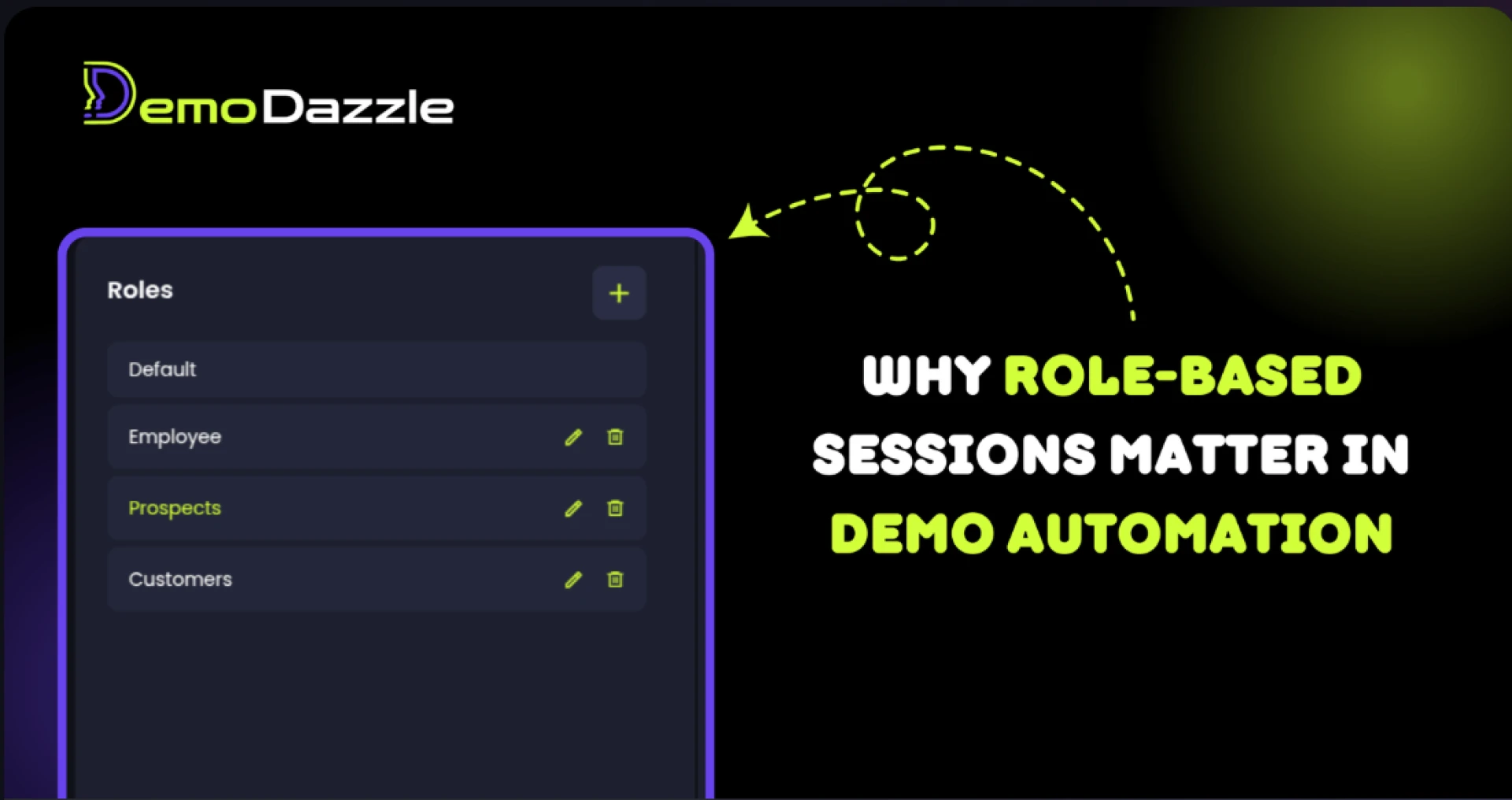
Role-based sessions tailor product demonstrations to the specific needs, concerns, and responsibilities of different stakeholders in an organization. Instead of presenting a generic demo, automation platforms segment users based on their roles—such as executives, IT managers, or end-users—and deliver customized experiences that highlight the most relevant features and benefits.
Why Role-Based Sessions Matter
1. Enhanced Personalization and Engagement
A generic demo often overwhelms prospects with irrelevant information, causing disengagement. Role-based demo automation ensures that each stakeholder sees only the features that are most relevant to them, making the experience more engaging and impactful.
2. Addressing Pain Points Effectively
Different roles have different pain points. A CEO might focus on ROI and scalability, while an IT manager is concerned with integration and security. Tailored sessions allow businesses to directly address these pain points, making the demo more persuasive.
3. Shorter Sales Cycles
When stakeholders quickly understand how a solution benefits them, decision-making accelerates. Role-based sessions minimize unnecessary back-and-forth conversations, reducing the sales cycle and improving conversion rates.
4. Scalability and Efficiency
Live demos require significant resources from sales and customer success teams. Automated, role-specific demos reduce this burden while allowing companies to cater to a larger audience simultaneously, maximizing efficiency.
5. Improved Retention and Knowledge Transfer
When users receive information tailored to their roles, they retain it better. This not only helps in the initial sales process but also improves customer onboarding and product adoption post-sale.
Best Practices for Implementing Role-Based Demo Automation
1. Segment Your Audience
Identify key roles within your target organizations and define their specific concerns and objectives. Common segments include decision-makers, technical evaluators, and end-users.
2. Customize Content for Each Role
Create tailored demo flows that highlight the most relevant features, use cases, and benefits for each user type. Ensure that the messaging and tone resonate with their needs.
3. Leverage Interactive Elements
Engagement increases when users can interact with the demo. Use clickable walkthroughs, guided tutorials, and scenario-based experiences to make the session immersive.
4. Incorporate Analytics for Continuous Optimization
Monitor engagement metrics such as time spent, interactions, and drop-off rates. Use these insights to refine and enhance role-based demo experiences over time.
5. Integrate with CRM and Sales Tools
Seamless integration with your CRM ensures that sales teams can track engagement, follow up effectively, and personalize conversations based on user interactions within the demo.
Conclusion
For an in-depth analysis, check out our article: Why Role-Based Sessions Matter in Demo Automation.
Role-based sessions in demo automation offer a targeted, efficient, and scalable way to showcase software solutions. By focusing on user-specific needs, businesses can enhance engagement, accelerate sales cycles, and ultimately drive higher conversions. In 2025 and beyond, companies that adopt personalized demo automation will stand out in an increasingly competitive market.
If you’re looking to implement role-based demo automation, now is the time to invest in tools and strategies that align with this approach. The future of software sales lies in personalized, data-driven, and highly interactive demo experiences.

























Sign in to leave a comment.