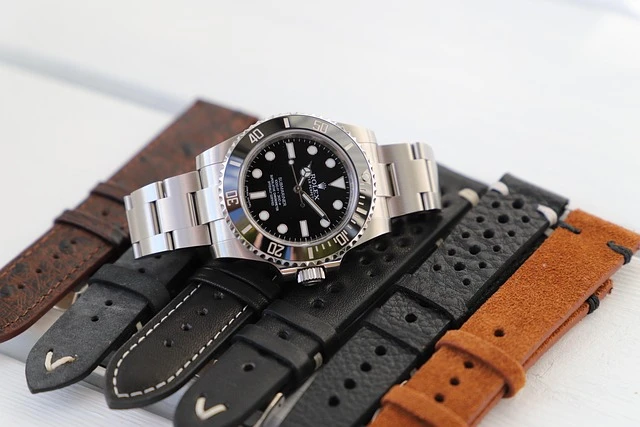

Rolex is a brand name that practically everyone recognizes, and with that recognition comes a question many people ask when they see the prices: why are Rolex watches so expensive? The short answer is that Rolex’s price reflects a combination of engineering, materials, vertical integration, brand positioning, and market dynamics. The longer answer requires unpacking how the company builds watches, manages scarcity, protects value, and leverages history. This post walks through the practical reasons behind Rolex pricing so you can judge for yourself whether the premium makes sense.
Heritage, reputation, and perceived value
Rolex’s story stretches back to 1905, and over more than a century the company has accumulated an unusually durable reputation for quality and reliability. That reputation is a form of intangible capital: buyers are not just purchasing a piece of steel and a movement, they are buying into a lineage of design, marketing, and cultural cachet. Reputation matters because it shapes perception of value. When a product is consistently associated with excellence and status, customers are willing to accept higher prices, which in turn lets the company invest more in quality, distribution, and brand protection.
Vertical integration and control of production
One practical reason Rolex prices its watches where it does is that the company controls almost the entire manufacturing chain. Rolex makes many components in-house, from cases and bracelets to hairsprings and balance wheels. Producing parts internally increases fixed costs—machinery, tooling, and skilled labor—but it also guarantees control over tolerances and finishing that would be difficult to achieve through outsourcing. Vertical integration reduces dependency on outside suppliers and allows Rolex to enforce consistent quality across millions of tiny parts. That level of control adds to production costs and, ultimately, to retail prices.
Materials and metallurgy
Rolex does not spare expense when it comes to materials. The brand is known for using a specific, highly corrosion-resistant stainless steel alloy (often referred to by enthusiasts as Oystersteel), proprietary gold alloys (including Everose, a proprietary rose gold), and work-intensive treatments for ceramics and platinum. Precious metals and top-tier alloys are inherently costly, and Rolex often specifies higher grades or unique formulations that require specialized handling and finishing. On models that include gem-setting, Rolex uses strict gem-quality standards and skilled setters—which raises costs considerably. When the material inputs are expensive, that expense shows up in the final price.
Movement engineering and finishing
The heart of a mechanical watch is its movement, and Rolex invests heavily in dependable, robust calibers. Rolex calibers are designed for long-term serviceability, shock resistance, and consistent timekeeping. Beyond functional reliability, Rolex movements are finished to a high standard: components are chamfered, polished, and decorated where needed. That finishing is often performed by skilled technicians and requires time-consuming hand work. Manufacturing and regulating reliable movements at scale costs money, and because Rolex expects watches to perform to chronometer standards, the brand allocates resources toward testing and quality control that many mass-market brands do not.
R&D, innovation, and proprietary technology
Rolex invests in research and development in ways many consumers don’t immediately see. From developing proprietary alloys to refining escapements and improving shock protection, these innovations are expensive to research, prototype, and industrialize. Rolex also invests in technologies such as ceramic bezel production, advanced dial lacquers, and in-house spring development—each of which adds unique selling points but also raises the per-unit cost. The capability to innovate and industrialize innovations responsibly at scale is rare; that rarity justifies a premium when others cannot replicate the results without similar investment.
Quality control, testing, and warranties
Why are rolex so expensive? Every Rolex undergoes detailed inspection and testing. Water resistance is tested under pressure, timing is regulated to strict tolerances, and cases and bracelets are inspected for finishing consistency. Rolex’s dedication to quality control absorbs costs in labor hours, testing equipment, and scrap from components that do not meet standards. The payoff for customers is lower failure rates and predictable long-term durability. From a business standpoint, strict quality control reduces warranty claims and protects the brand—again factors that push prices upward but protect value and reputation over time.
Distribution strategy and scarcity management
Rolex tightly controls distribution through an authorized dealer network and selected boutiques. The company does not flood the market, and allocation decisions—who gets which models and when—create a natural scarcity for the most desirable references. Scarcity helps maintain resale values and creates a halo of desirability that supports higher retail prices. Dealers are expected to maintain a certain brand experience and service standard, and sustaining that network requires investment and coordination. The result is a market where buying certain steel sports models often involves waiting lists and relationship capital—an element of “cost” that exists in time and effort rather than dollars.
After-sales infrastructure and serviceability
A Rolex is designed to be serviced and to last generations. The company runs a global service network, trains watchmakers, and maintains spare parts inventory. That infrastructure is expensive to run but essential to delivering on the promise of longevity. Buyers factor in that long-term serviceability when weighing the purchase: a watch that can be serviced and remain functional for decades has a different economic profile than a disposable accessory. The cost of maintaining this global after-sales network is embedded into the overall economics of the brand.
Resale value and investment perception
Unlike many consumer products, Rolex watches tend to hold value relatively well, and some models even appreciate on the secondary market. That reality partly stems from the brand’s controlled supply, strong collector culture, and predictable demand for certain iconic references. For buyers, the expectation of retained value softens the sting of a high initial price: part of the cost is effectively a durable asset rather than pure consumption. This dynamic feeds itself—high resale values validate higher retail prices, and those prices sustain the perception of the watch as an investment-grade object.
Design, finishing detail, and human craft
Finally, there is the matter of craft. The aesthetic details that make a Rolex recognizably a Rolex—perfectly brushed surfaces, tight bracelet tolerances, precise dial printing, and flawless case geometry—are not accidents of automation alone. Skilled hands and experienced craftsmen shape, inspect, and finish many surfaces. That human craft raises costs but also creates the tactile and visual cues people associate with luxury. For many buyers, such signals justify paying more because they represent something beyond mere function: a curated sensory experience.
Putting the pieces together
Rolex’s prices reflect an ecosystem of inputs: rare and pricey materials, internalized production and quality control, proprietary R&D, distribution management that creates controlled scarcity, a service infrastructure designed for longevity, and a brand narrative that carries cultural meaning. Each piece increases cost; together they build a product that is positioned, practically and perceptually, above general consumer watches. Whether the price is “worth it” is a personal judgment. For some buyers the engineering, heritage, and long-term value make it an attractive purchase. For others the premium is largely about social signaling, and they may prefer alternatives with better immediate value.
A final thought
Expensive does not always equal better, but expensive often means several layers of value have been added—some visible, some less so. Rolex’s pricing is a reflection of choices made across the product lifecycle: design, material selection, manufacture, testing, distribution, and after-sales care. If you want a watch that blends centuries-old prestige with modern engineering and a global service backbone, Rolex explains its prices through that combination of tangible inputs and cultural cachet. If you want only the best timekeeping for the money, there are other watches that outperform Rolex on a strict cost-versus-spec basis; the extra you pay for a Rolex buys you control, consistency, and a brand story that many collectors prize.
























Sign in to leave a comment.