Fighting Back Against the Desert Sun
Scottsdale, Arizona is famous for its blue skies and endless sunshine — but for your roof, that same sunshine is the ultimate enemy. During peak summer, rooftop surfaces can reach temperatures of 160°F or more, cooking tiles, breaking down sealants, and baking your home from the top down.
The result? Higher energy bills, shorter roof lifespans, and uncomfortable indoor heat. That’s where roof coatings come in — a simple yet powerful solution that transforms your roof into a reflective, energy-efficient barrier.
“We used to dread summer,” says Paul and Dana Lopez from McCormick Ranch. “After Tip Top Roofing applied a reflective coating, our energy bill dropped by 25% — and the house actually feels cooler.”
In Scottsdale’s brutal climate, roof coatings aren’t just optional — they’re essential.
What Exactly Is a Roof Coating?
A roof coating is a seamless, liquid-applied layer that bonds directly to your existing roof surface. Once cured, it forms a watertight, reflective shield that protects your home from heat, UV damage, and water intrusion.
Depending on your roof type — foam, tile, flat, or metal — coatings can be customized to add durability, insulation, and weather resistance.
The most common types used by Scottsdale homeowners include:
- Silicone Roof Coatings: Perfect for flat and foam roofs; highly UV reflective and waterproof.
- Acrylic Roof Coatings: Cost-effective, flexible, and easy to maintain.
- Elastomeric Coatings: Stretch with temperature changes, preventing cracks and leaks.
- Polyurethane Coatings: Extremely durable for commercial or heavy-foot-traffic roofs.
“For Arizona homes, we recommend silicone coatings because they handle both sun and storm season beautifully,” explains Ryan Mitchell, Project Manager at Tip Top Roofing Service.
How Roof Coatings Protect Against Scottsdale’s Extreme Climate
Arizona roofs endure some of the harshest weather in the country — relentless UV rays, dust storms, and sudden monsoon rains. Here’s how coatings provide round-the-clock protection.
1. Reflects Sunlight, Reduces Heat
Reflective coatings bounce sunlight away from your roof, reducing surface temperatures by up to 60°F. This prevents heat from radiating into your attic and living spaces.
According to the U.S. Department of Energy (DOE), cool roof coatings can lower indoor temperatures by 5–10°F, significantly reducing AC use and energy costs.
2. Seals Cracks and Leaks
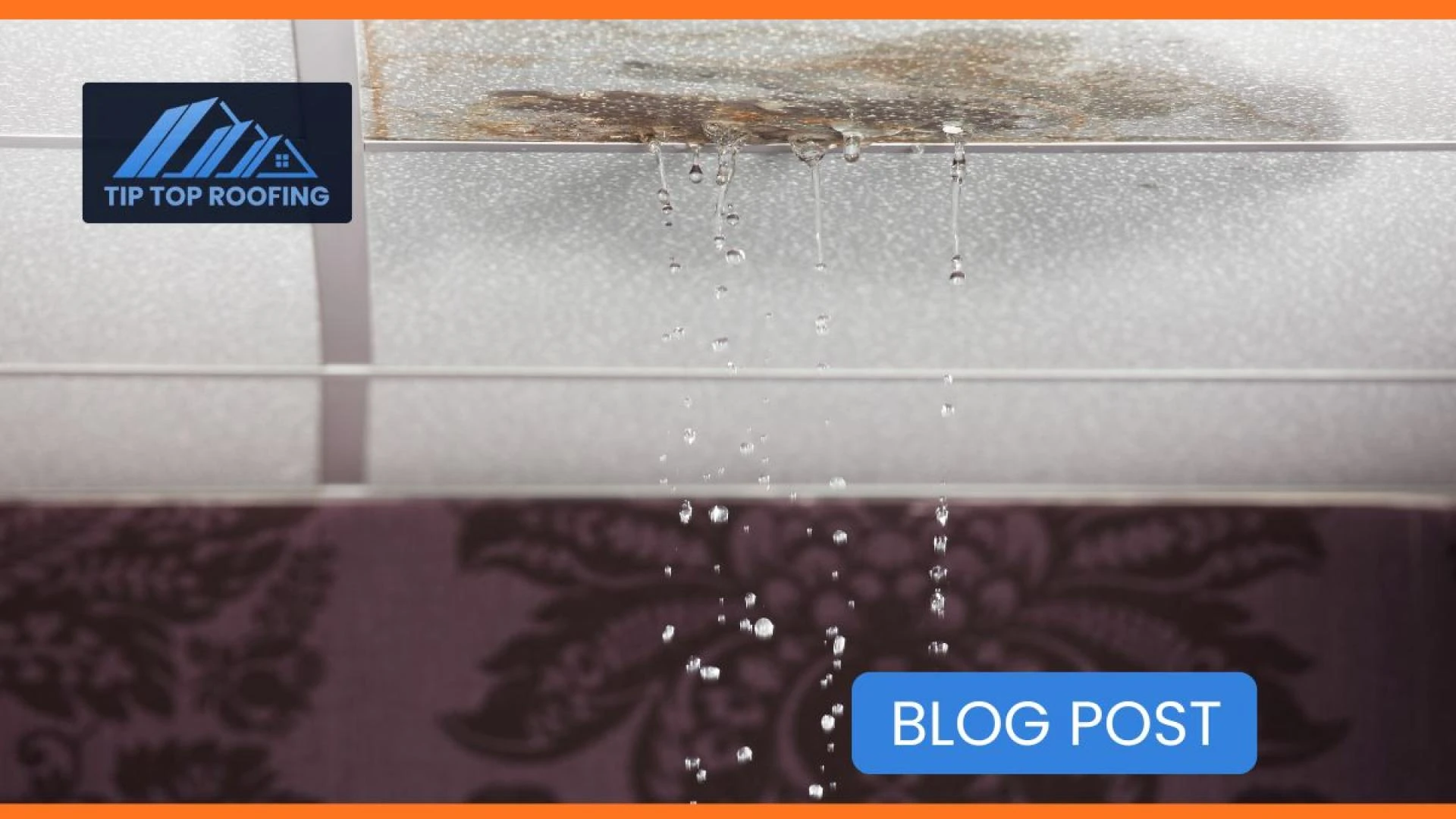
Coatings fill micro-cracks and seal joints around vents, flashing, and seams — eliminating weak points where leaks form. For foam and flat roofs, this seamless layer is critical during Arizona’s monsoon season.
“After monsoon storms, we used to get small leaks,” says Rachel Nguyen from Gainey Ranch. “Tip Top Roofing sealed our roof with silicone — not one issue since.”
3. Prevents UV and Oxidation Damage
The desert sun can dry, fade, and crack roofing materials. UV-resistant coatings block radiation that breaks down shingles and foam, extending roof life by 10+ years.
4. Resists Ponding Water
Silicone coatings remain flexible and water-resistant, even with standing water — a common issue for Scottsdale’s flat or low-slope roofs.
5. Improves Indoor Comfort
By reducing heat absorption, coated roofs help stabilize indoor temperatures, especially in rooms directly under the attic or top floor.
The Science Behind Cool Roof Technology
The magic of roof coatings lies in solar reflectivity and thermal emittance.
- Reflectivity: How much sunlight the coating reflects.
- Emittance: How efficiently it releases absorbed heat.
High-performance coatings used by Tip Top Roofing Service boast reflectivity ratings of 0.85+, meaning they reflect 85% of the sun’s energy — compared to traditional roofing materials that absorb most of it.
This scientific advantage translates into real results:
- Up to 30% energy savings on cooling.
- Lower roof surface temperatures by 50–60°F.
- Longer lifespan for foam and underlayment.
“It’s like giving your roof sunscreen,” says David Brooks, Field Supervisor at Tip Top Roofing. “You can’t fight the Arizona sun without protection.”
How Roof Coating Installation Works
Tip Top Roofing Service follows a detailed, proven process for long-lasting results:
Step 1: Inspection and Cleaning
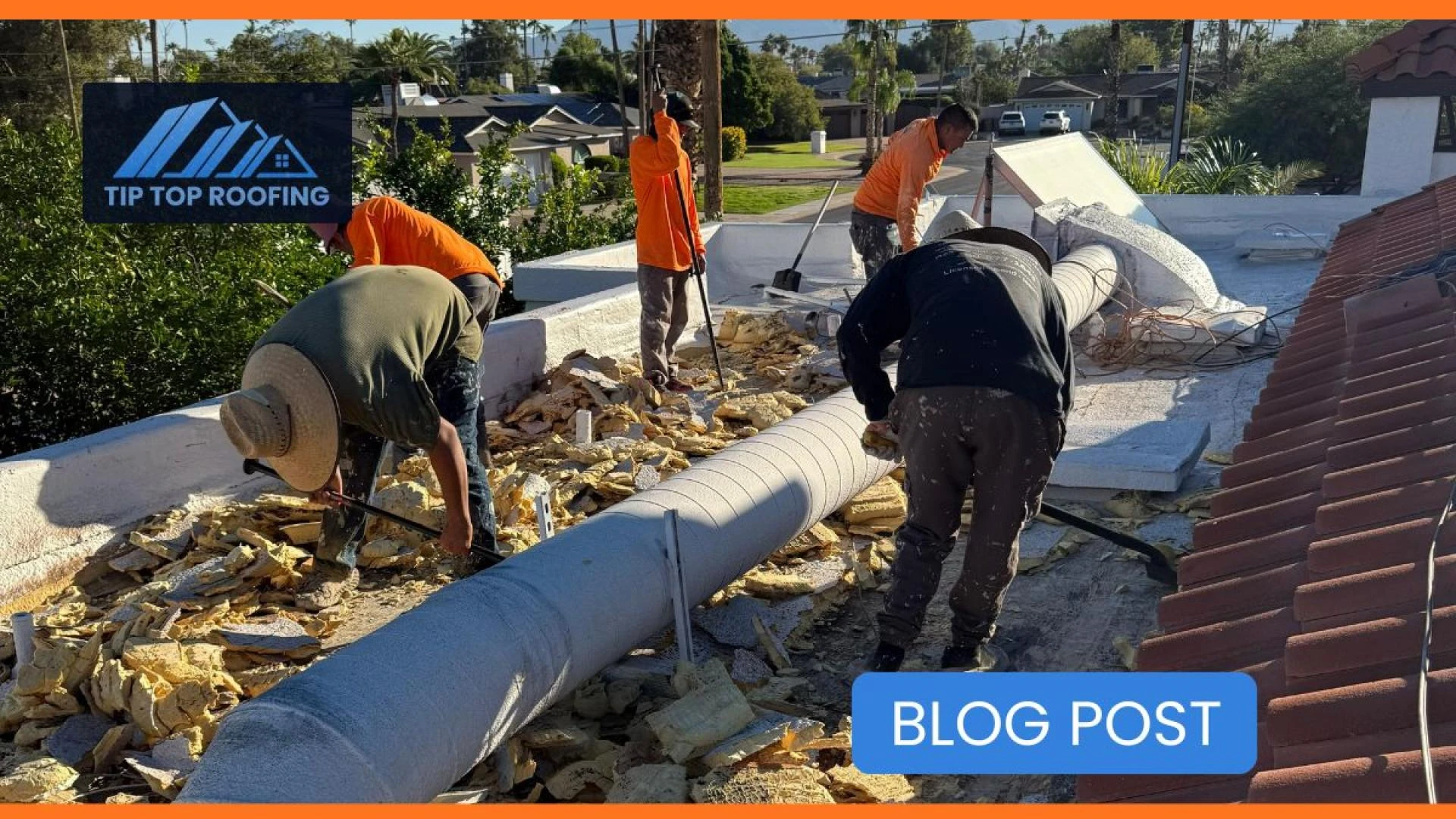
The roof is cleaned of dust, dirt, and old residue to ensure proper adhesion. Any cracks or damaged areas are repaired.
Step 2: Primer Application
A primer is applied (if required) to enhance bonding between the roof and coating layer.
Step 3: Coating Application
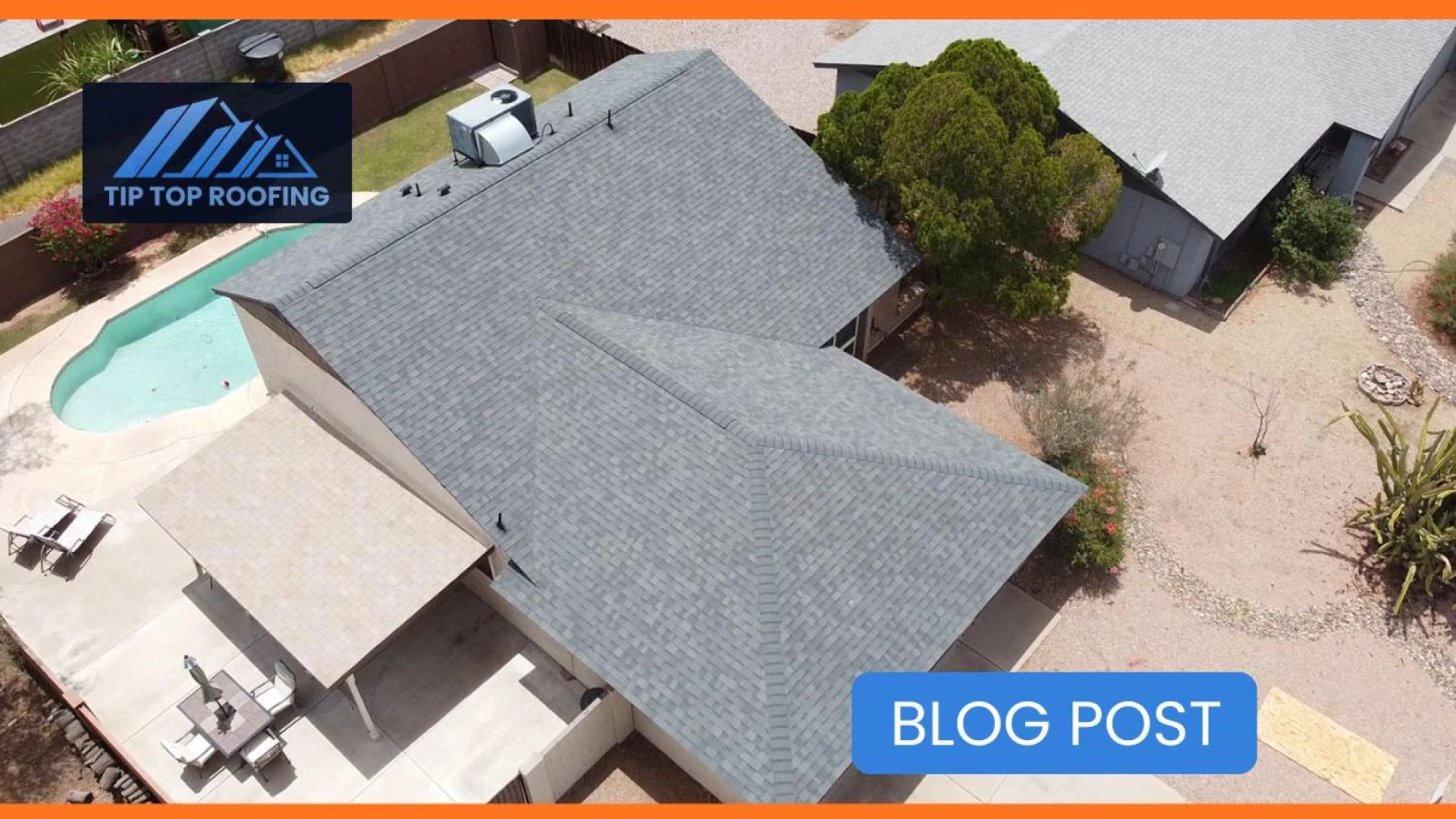
Coating is sprayed or rolled evenly across the roof surface, forming a seamless, watertight barrier.
Step 4: Curing and Final Inspection
The coating is left to cure under controlled conditions, after which Tip Top’s experts perform a full inspection to confirm coverage, thickness, and durability.
“Our roof looks brand new,” says Linda Rogers from Old Town Scottsdale. “Tip Top Roofing’s coating made it feel like we installed a whole new roof.”
Real Scottsdale Transformations
- The Johnson Family – McCormick Ranch: Silicone coating reduced interior temps by 8°F and cut monthly bills by $100.
- The Chens – Paradise Valley: Flat foam roof recoated after 10 years; now ready for another decade.
- The Walker Residence – North Scottsdale: Roof coating prevented leaks during back-to-back monsoon storms.
These homeowners all share one thing in common — they chose prevention over reaction.
The Cost of Coating vs. The Cost of Replacement
ProjectAverage CostLifespanBenefitRoof Coating$2,000–$5,00010–15 yearsReflective, waterproof, energy-savingRoof Replacement$12,000–$25,00020–30 yearsFull system rebuild
While full roof replacements are sometimes necessary, coatings can extend your roof’s life at a fraction of the cost — especially for foam or flat roofs.
When to Recoat Your Roof in Scottsdale
Scottsdale homeowners should consider recoating:
- Every 8–12 years for foam and silicone systems.
- After major monsoon or hail damage.
- When you notice discoloration, cracking, or reduced reflectivity.
Tip Top Roofing Service offers free roof inspections to assess whether recoating is needed or if repairs will suffice.
Why Tip Top Roofing Is Scottsdale’s Roof Coating Expert
✔ Local Expertise: Specialized in Arizona heat-resistant roofing systems.
✔ Certified Technicians: Trained in foam, silicone, and elastomeric coating applications.
✔ Energy Efficiency Focus: Helping homeowners cut costs and increase comfort.
✔ Premium Materials: Using only industry-approved, high-reflectivity coatings.
✔ Worry-Free Warranty: Long-term performance guarantee.
“Tip Top Roofing didn’t just protect our roof — they helped us protect our home investment,” says Karen Ellis from Troon North.
Final Thoughts: Reflect the Heat, Protect Your Home
In Scottsdale’s fierce desert climate, a reflective roof coating is your first line of defense. It shields your home, saves energy, and keeps your roof lasting longer — all while reducing the strain on your cooling system.
Don’t let the Arizona sun win. With Tip Top Roofing Service, you can fight back with the smartest, most efficient protection available — one reflective coat at a time.






















Sign in to leave a comment.