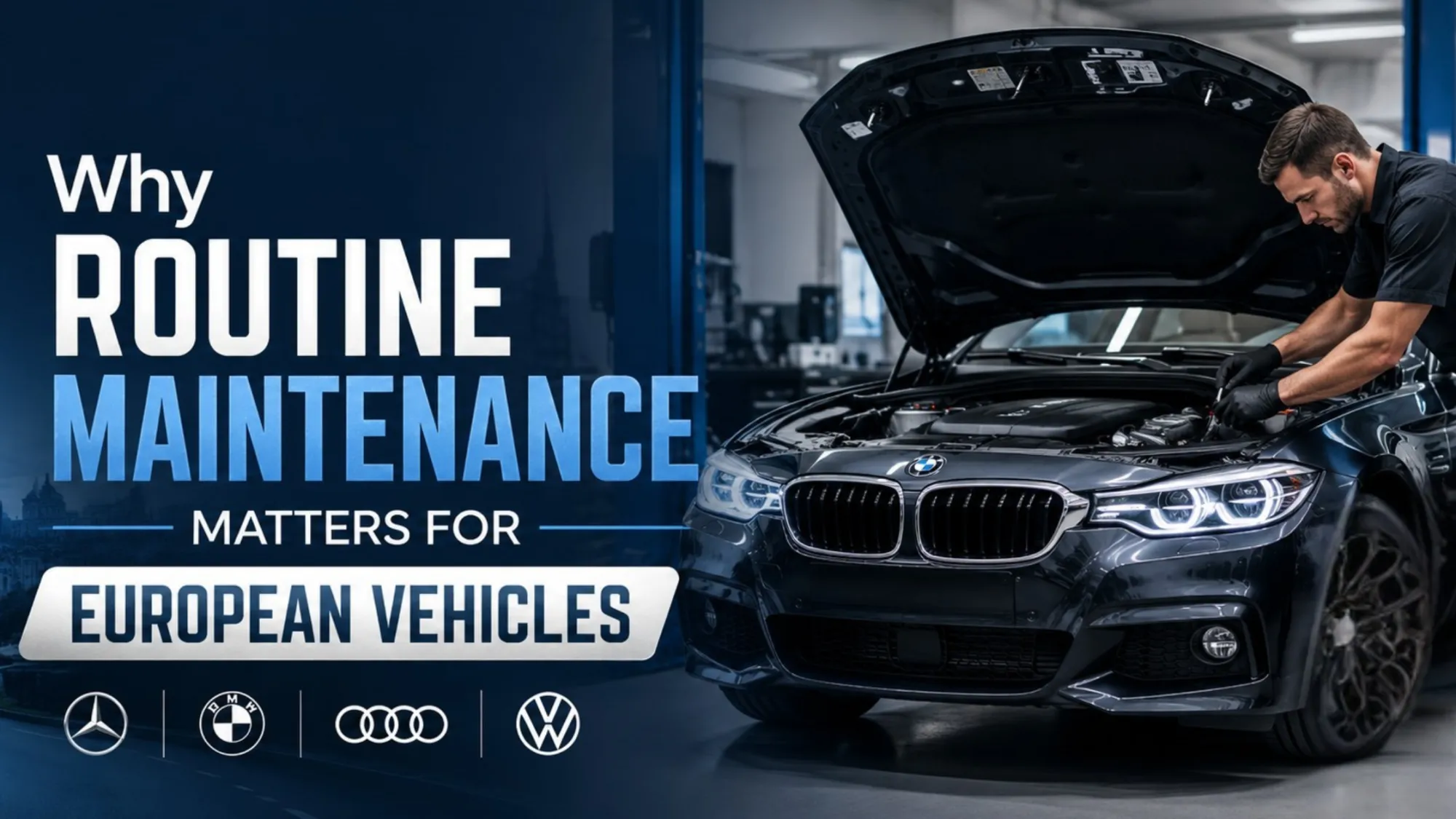

A guy brings in his European sedan, a beautiful car, well-kept on the outside, because of a faint knocking sound he'd been hearing for about three months. He figured it was nothing serious. Maybe a loose heat shield. Something minor.
It wasn't minor.
Sludged oil. A skipped service interval had turned his engine oil into something closer to tar, and the damage was already done by the time he walked through the door. The repair bill came to just over $4,800. The oil change that would have stopped all of it? Under $180.
That gap - between what maintenance costs and what neglect costs is exactly what this article is about. European vehicles are extraordinary, but they're unforgiving when ignored. Proper European auto service starts with understanding what your car actually needs. Everything you need to know is right here.
These Cars Are Built Differently. That's the Whole Point.
Most people know European vehicles are engineered to a higher standard. What fewer people understand is what that actually means for maintenance.
BMW ZF automatics, Audi S tronic dual-clutch systems, Porsche PDK transmissions- each one has its own fluid requirements, its own service intervals, its own failure patterns when neglected. The engine oil isn't just "full synthetic."
It needs to carry a specific manufacturer approval like BMW Longlife-04 or VW 504.00/507.00. Put in the wrong oil, even a perfectly good one that doesn't meet the spec and you've voided your warranty while quietly accelerating wear you won't see until it's expensive.
This is a vehicle category where doing things "close enough" tends to catch up with you.
What Actually Needs Your Attention - And Why
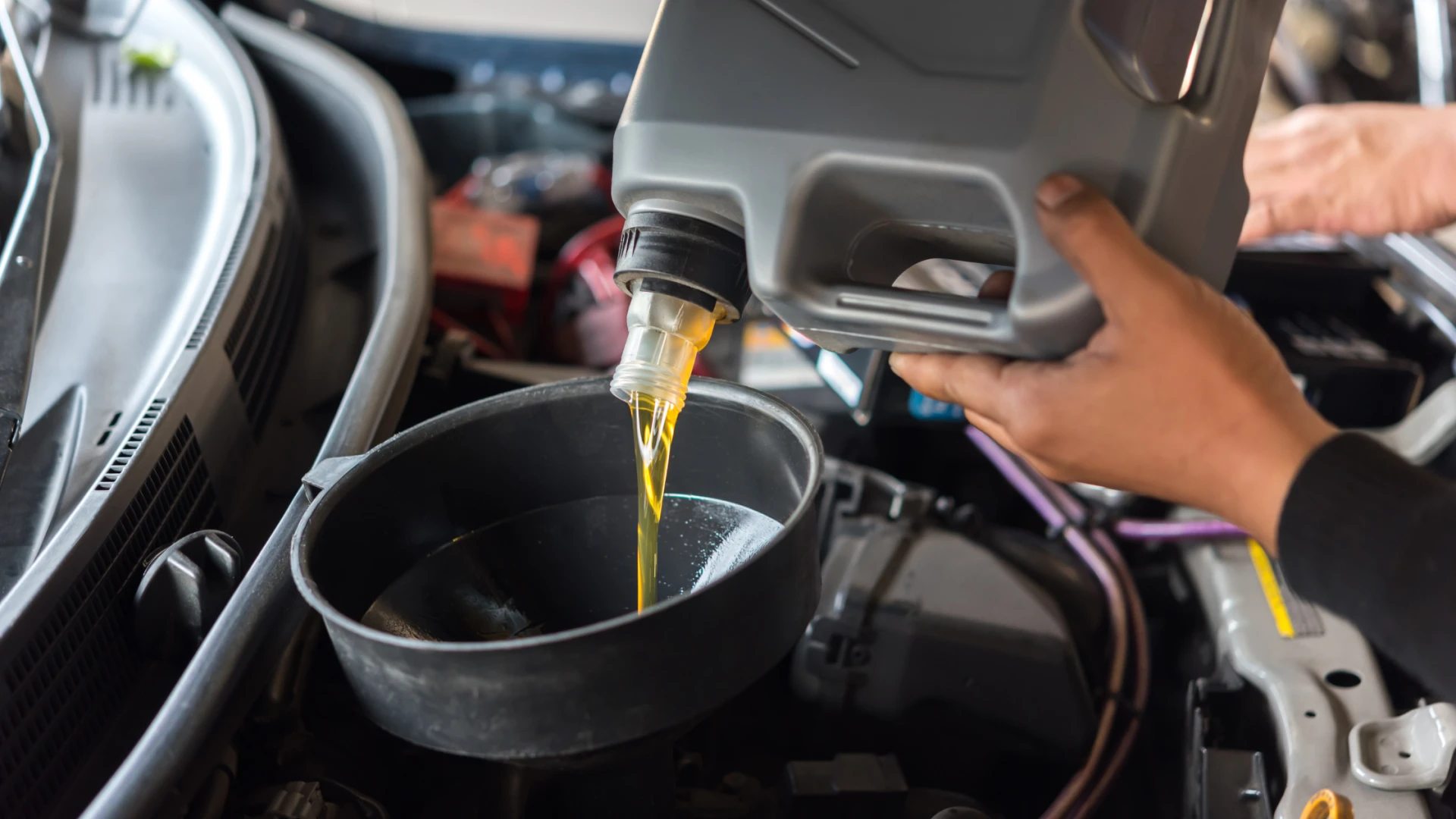
Engine Oil: The One You Can Never Skip
Oil discipline separates European engines that run beautifully at 150,000 miles from ones that start showing serious wear at 80,000. High-performance motors run hotter, work harder, and break down oil faster than standard engines.
Stretching intervals even by a few thousand miles, compounds over time in ways you won't notice until it's too late.
- Use only the correct synthetic oil for European cars - common grades are 0W-40, 5W-30, and 5W-40, but always check your specific approval code
- Never use conventional oil as a temporary substitute, even in a pinch
- Reset your service reminder after every change memory is not a maintenance system
- If your vehicle has higher mileage, check the oil level monthly; some performance engines burn a small amount between services
Brake Maintenance: Performance Systems Wear Faster Than You Think
The brakes on a European performance vehicle are genuinely impressive, larger rotors, sport-tuned pads, stronger calipers. They stop the car faster and with more control. The catch is they also wear faster, especially if you actually enjoy driving the car the way it was designed to be driven.
Here's what to watch for:
- Squealing or grinding when you brake, once you hear it, don't wait
- A pedal that feels softer or needs more pressure than it used to
- Any vibration through the steering wheel or pedal under braking
- Dashboard European vehicle warning lights tied to the ABS or brake circuit
One thing most people miss entirely: brake fluid. It absorbs moisture over time, which drops its boiling point and causes brake fade when the system gets hot. Flushing it on schedule is one of the cheapest services on the list, and one of the most overlooked.
Transmission Service: The Bill Nobody Wants to See
Replacing a transmission in a European luxury vehicle costs between $4,000 and $8,000 depending on the model. A fluid change to prevent that? A small fraction of that number.
Transmission service for luxury vehicles isn't optional, it's how you avoid the single most painful repair bill in European car ownership.
And every system is different:
- BMW ZF 8-speed automatics need specific fluid and service roughly every 50,000–60,000 miles
- Audi S tronic dual-clutch transmissions are particularly sensitive rough or hesitant shifts early on are a warning sign worth acting on
- Porsche PDK transmissions follow their own schedule entirely, separate from standard automatic service intervals
One more thing: don't let "lifetime fluid" language give you false confidence. Manufacturers define "lifetime" very differently than most owners assume.
Cooling System: Respect the Heat
European performance engines run at elevated temperatures by design; it's part of what makes them efficient. But that heat is constantly working on your coolant, hoses, water pump, and radiator.
Cooling system maintenance is one of those things that feels low-priority right up until a water pump fails at highway speed and you're looking at a warped cylinder head.
Stay ahead of it:
- Use the right coolant formulation for your specific make not generic universal coolant
- Inspect hoses and clamps at every major service interval
- Pay attention to the water pump after 60,000 miles, when impeller wear becomes a real concern
- If the temperature gauge moves even briefly toward the red, don't keep driving and hope for the best
Suspension: It's Not Just About Ride Quality
Suspension maintenance for European vehicles matters more than most owners realize.
These sport-tuned systems handle cornering forces that standard setups aren't built for - which means the bushings, control arms, and dampers wear faster and their failure affects more than comfort.
When suspension components go, handling precision drops, tires wear unevenly, and braking becomes less predictable.
Signs worth acting on:
- The car pulls to one side without you steering that way
- Clunking or knocking sounds over bumps or rough pavement
- More body roll in corners than you remember from before
- Uneven tire wear, especially on inner or outer edges
⚠️ Something Most People Don't Know About Diagnostics That generic OBD-II scanner at the parts store reads powertrain codes.
European vehicles store faults across a dozen or more control modules transmission, body control, suspension, HVAC that standard scanners can't touch.
A car that comes back "no codes" on a basic reader may have a full fault log sitting in modules that only factory-level tools can access.
Performance vehicle diagnostics for European makes require the right equipment and someone who knows how to interpret what they find.
Finding the Right Shop - Location Is the Easy Part
Typing euro car repair near me into a search bar is easy. Knowing which result is actually qualified to work on your car is harder. Not every shop that accepts European vehicles has the tools, training, or parts access to service them properly.
What a genuine European specialist actually brings:
- Factory-level diagnostic equipment that goes beyond powertrain codes
- OEM or manufacturer-approved parts not generic alternatives that technically fit but don't meet the spec
- Technicians who know your specific make, its quirks, and its common failure patterns
- The correct fluid specifications, not substitutions that are “close enough”
Real service experts give your car exactly what its engineering requires. That matters at any mileage, but it becomes critical once the vehicle gets past 60,000-80,000 miles and more complex issues start showing up.
Service Intervals: A Quick Reference
| Service Interval | What Needs Attention | Key Focus |
| 5,000 – 10,000 Miles | Oil & filter, tire rotation, brake visual, fluid levels | Correct synthetic oil approval |
| 20,000 – 30,000 Miles | Brake pads/rotors, transmission fluid, cooling flush, suspension check | Transmission service for luxury brands |
| 50,000 - 60,000 Miles | Spark plugs, timing chain, full diagnostic scan, brake fluid flush | Advanced performance diagnostics |
This is general guidance. Your owner's manual and factory scheduled maintenance schedule take priority - European makes often have model-specific intervals that differ from standard timelines.
What Good Records Are Worth at Resale
A European vehicle with a complete, documented service history sells for 15-25% more than an equivalent car with no records. Buyers who shop in this segment know what to look for, and gaps in a service log immediately raise questions about what else got skipped.
Maintaining the resale value of luxury cars really comes down to this: log every service, keep every receipt, and let the paper trail speak for itself when it's time to sell.
Protect the Performance Invest in Expert European Auto Services
That $4,800 repair started with one skipped oil change. Not negligence, just delay. And delay is all it takes with a car engineered this precisely.
Routine maintenance for European vehicles isn't a burden. It's what keeps a remarkable machine remarkable. Stay on schedule, find specialists who genuinely know your make, and don't ignore what your dashboard is telling you. Keep your auto AC repair service current too - no system deserves to be the exception.
The car will take care of you. But only if you take care of it first.

























Sign in to leave a comment.