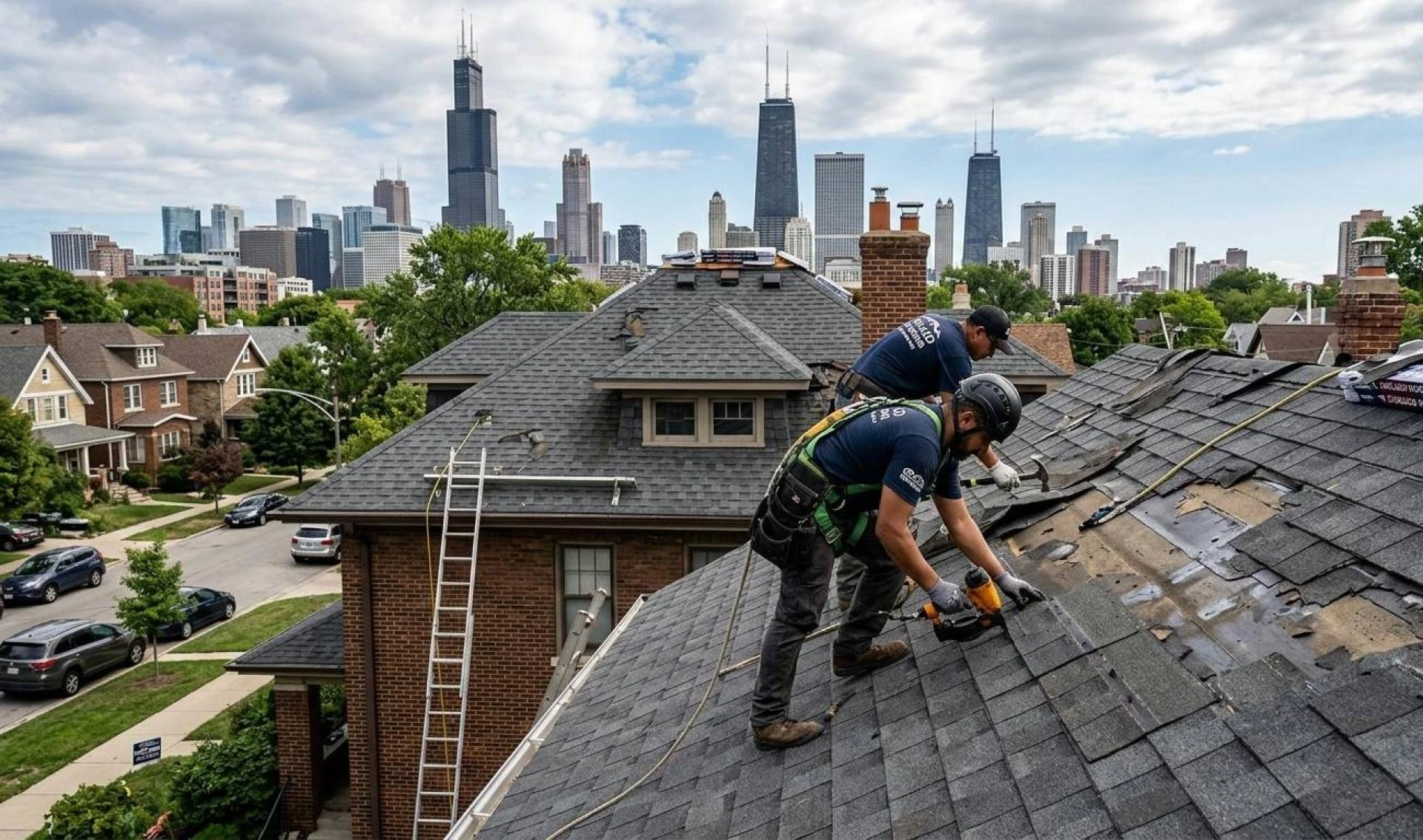
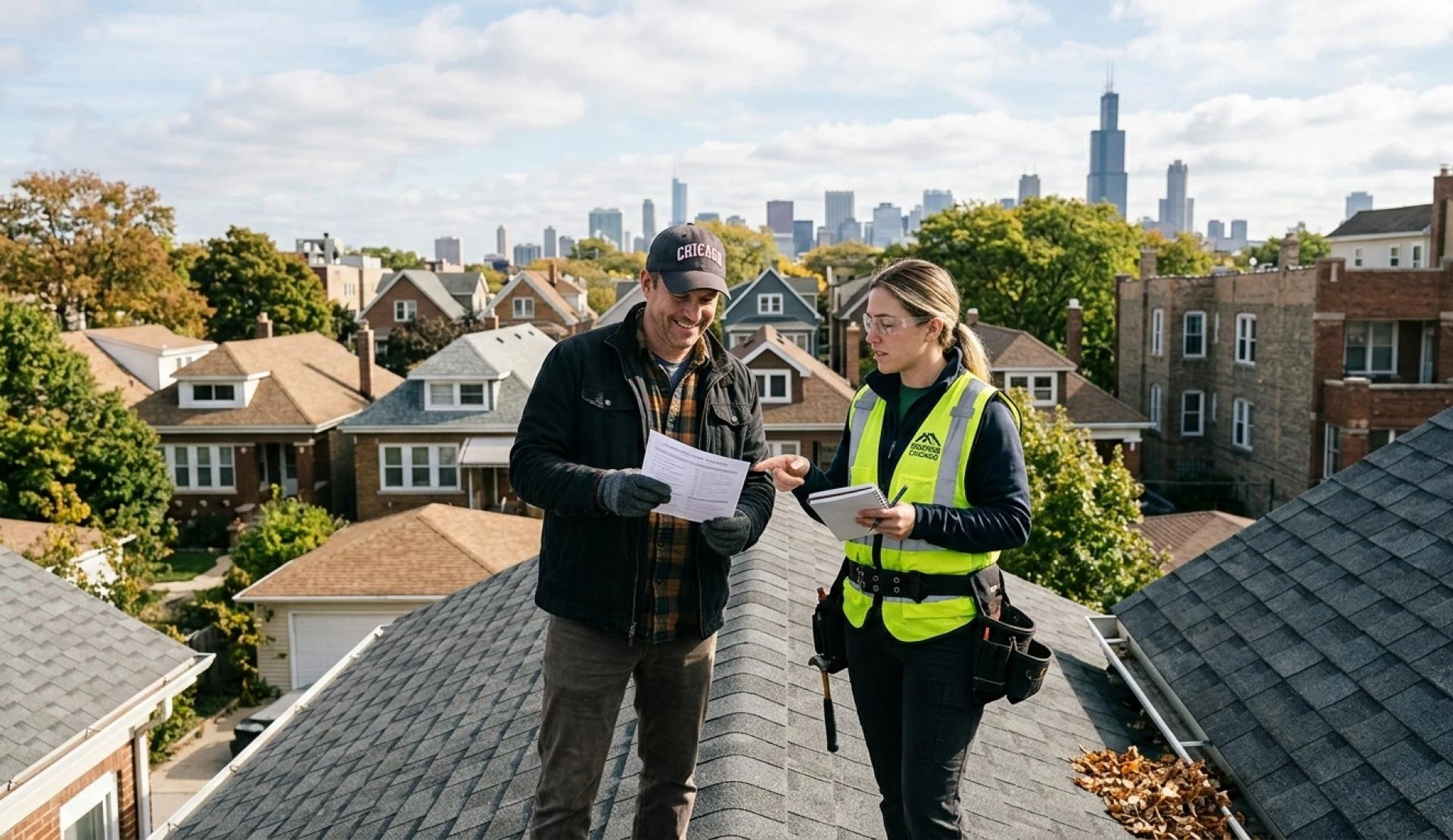
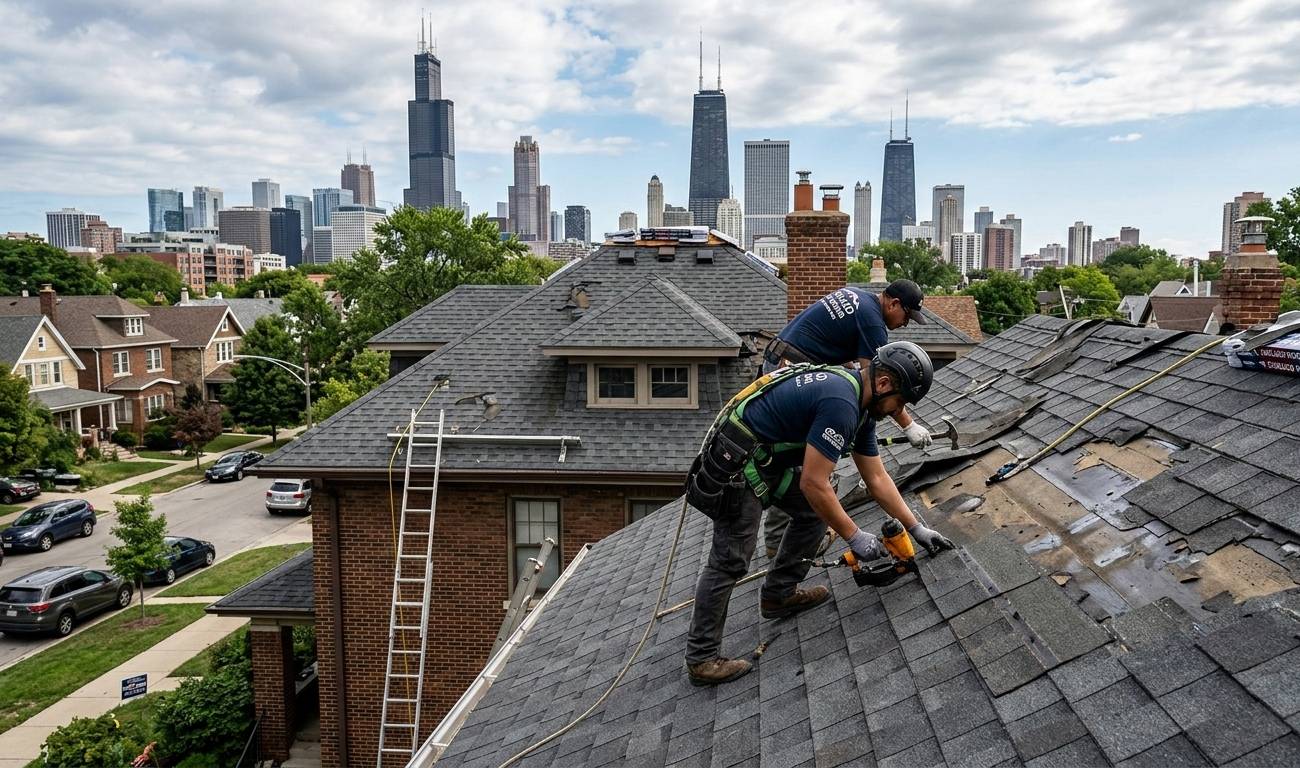
Owning property in Bushwick comes with its fair share of responsibilities, and among them, roof care is often underestimated. Many homeowners only think about their roof when a leak appears or visible damage becomes impossible to ignore. By then, the cost is rarely small. What often gets overlooked is how routine roof maintenance—simple, scheduled care—can prevent those expensive surprises altogether. In a neighborhood like Brooklyn, where buildings face year-round weather stress, proactive maintenance isn’t just a recommendation; it’s a financial strategy.
From years of working closely with home improvement brands and analyzing property care trends, one pattern stands out clearly. Homeowners who invest in regular roof maintenance consistently spend less over time than those who delay action. The reason is straightforward: small issues are cheaper and easier to fix than large, compounded problems.
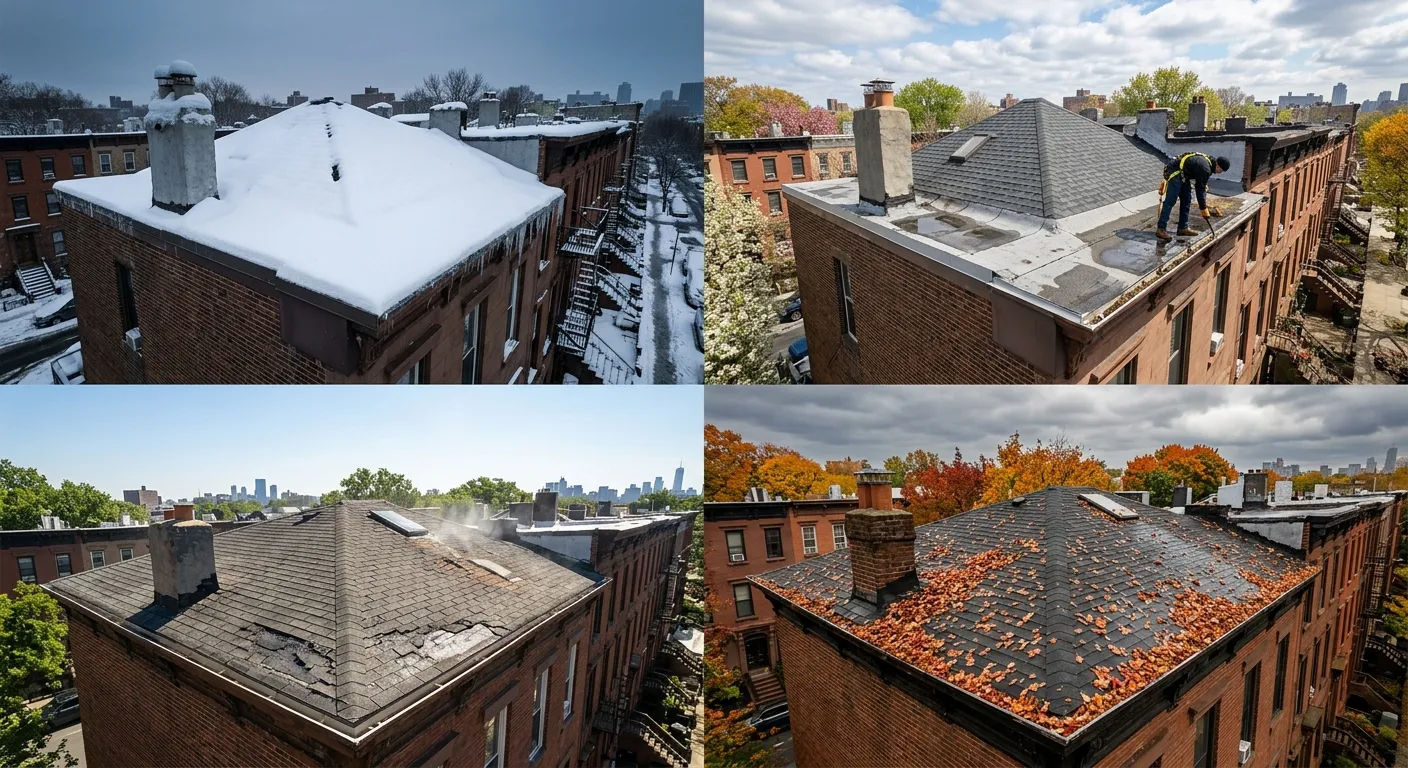
A roof is constantly exposed to environmental pressure. Rainwater, debris buildup, UV rays, and temperature shifts all work together to wear down materials. In Bushwick, flat roofs are particularly common, and while they are efficient for urban construction, they demand consistent upkeep. Even minor debris—like leaves or dirt—can clog drainage points. When water has nowhere to go, it begins to pool. Over time, standing water weakens the roofing membrane, leading to cracks and leaks.
What makes routine maintenance so valuable is its ability to catch these early warning signs. A professional inspection can identify small punctures, loose flashing, or areas where sealing has begun to fail. Addressing these issues early typically involves minor repairs. Ignoring them allows water to seep deeper, eventually damaging insulation, wood decking, and interior ceilings. At that point, costs rise significantly—not just for the roof, but for interior restoration as well.
Another important factor is material lifespan. Roofing systems are designed to last a certain number of years, but that lifespan assumes proper care. Without maintenance, materials deteriorate faster. Shingles may curl or crack, membranes may shrink or blister, and flashing may loosen. Routine inspections and minor repairs help extend the life of these materials, delaying the need for a full roof replacement. Considering that a complete replacement is one of the most expensive home improvement projects, extending even a few years can translate into substantial savings.
Energy efficiency also plays a role in long-term cost savings. A well-maintained roof helps regulate indoor temperatures by ensuring proper insulation and ventilation. When gaps, leaks, or damaged sections exist, conditioned air escapes more easily. This forces heating and cooling systems to work harder, increasing utility bills. In a city where energy costs continue to climb, maintaining an efficient roofing system becomes an ongoing financial benefit rather than just a structural concern.
Routine maintenance also protects other exterior components of the home. Gutters, downspouts, fascia, and soffits are all connected to the roofing system. When gutters become clogged or damaged, water overflows and can seep into walls or the foundation. Over time, this leads to issues far beyond roofing—cracked foundations, mold growth, and even structural instability. Regular maintenance ensures that these systems function together as intended, preventing a chain reaction of costly repairs.
One aspect that many homeowners underestimate is how quickly minor neglect can escalate in urban environments like Bushwick. Buildings are often closely spaced, and roofing issues can sometimes affect neighboring structures. A leak that travels along shared walls or drainage systems may create complications beyond a single property. Addressing problems early helps avoid these complex and often expensive situations.
There is also a strong connection between maintenance and property value. In competitive real estate markets, buyers pay close attention to the condition of major structural components. A well-maintained roof signals responsible ownership. Inspection reports that show consistent upkeep can make a property more attractive and reduce negotiation hurdles. On the other hand, visible damage or signs of neglect often lead to lower offers or requests for repair credits.
For landlords and property managers, the financial benefits of routine maintenance are even more pronounced. Emergency repairs not only cost more but also disrupt tenants. Leaks can damage personal belongings, create uncomfortable living conditions, and lead to complaints or vacancies. Preventive care minimizes these risks, ensuring a smoother rental experience and protecting long-term income.
Timing also matters when it comes to costs. Emergency repairs often happen under less-than-ideal conditions—during storms or extreme weather. Contractors may need to prioritize urgent fixes, which can increase labor costs and limit material options. Scheduled maintenance, on the other hand, allows for planned work at more reasonable costs and better availability of materials and skilled labor.
Another key advantage of routine maintenance is documentation. Keeping records of inspections and repairs provides a clear history of the roof’s condition. This can be valuable for insurance purposes, especially when filing claims related to storm damage. Insurers are more likely to support claims when there is evidence that the roof was properly maintained prior to the incident.
Of course, not all maintenance is equal. The effectiveness of routine care depends heavily on the expertise of the professionals involved. A quick visual check is not enough. Thorough inspections require an understanding of different roofing systems, common failure points, and the unique challenges posed by New York’s climate. Working with experienced local contractors ensures that maintenance is not only performed regularly but also done correctly.
For homeowners looking to take a proactive approach, partnering with professional roof maintenance services in Bushwick is one of the most practical steps. A trusted local team can provide scheduled inspections, identify potential issues early, and carry out repairs that extend the life of the roofing system. This kind of ongoing relationship transforms maintenance from a reactive task into a long-term cost-saving strategy.
It’s also worth noting that maintenance does not have to be complicated or disruptive. In most cases, periodic inspections combined with minor repairs are enough to keep a roof in strong condition. The key is consistency. Skipping maintenance for several years often results in a backlog of issues that are more expensive to address all at once.
Ultimately, the idea that routine roof maintenance saves money long-term is not just theory—it is supported by real-world outcomes. Small, predictable expenses are far easier to manage than large, unexpected ones. By addressing minor issues early, extending material lifespan, improving energy efficiency, and protecting overall structural integrity, homeowners can significantly reduce the total cost of ownership.
In a neighborhood like Bushwick, where buildings carry both historical value and modern expectations, maintaining the roof is an essential part of responsible property care. Routine maintenance is not just about preventing leaks; it’s about making smart financial decisions that protect your home, your investment, and your peace of mind over time.






















Sign in to leave a comment.