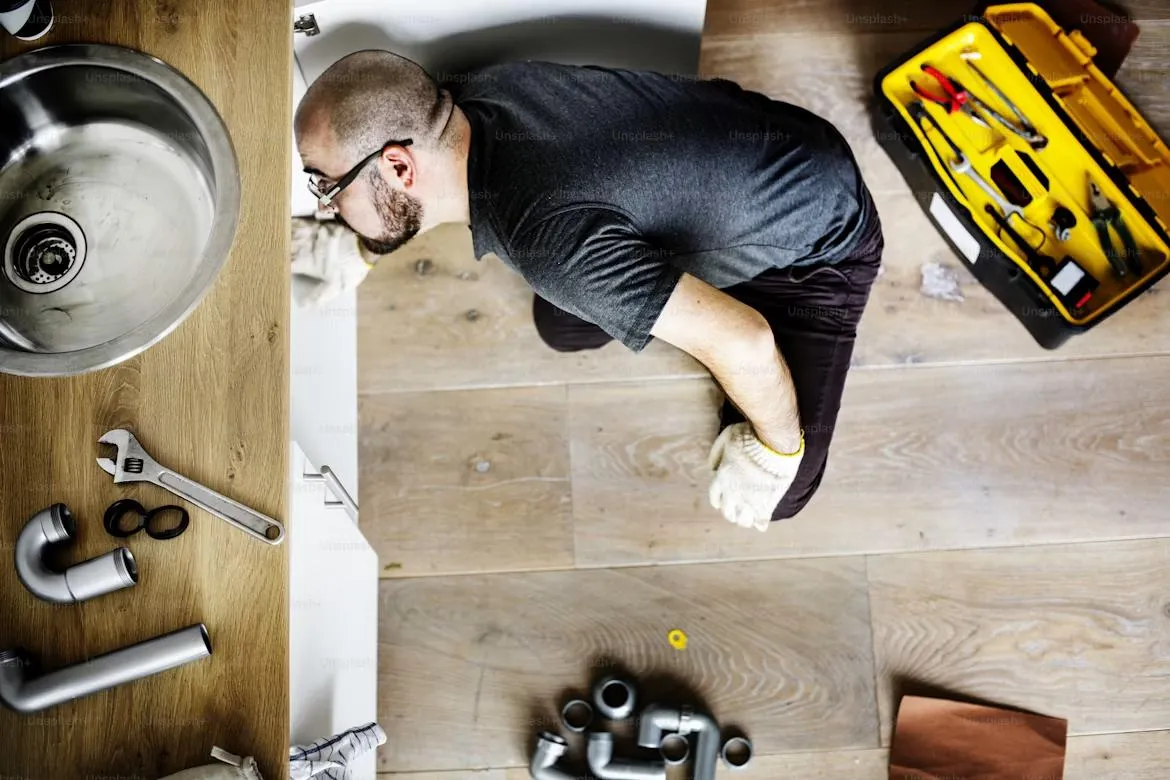

Most sewer systems don’t fail in a clean, obvious way. They degrade slowly, almost invisibly, through small performance changes that feel easy to ignore. A sink drains a little slower than usual. A toilet needs an extra flush once in a while. A shower briefly gurgles after use.
Individually, none of these seem serious. But together they often point to a deeper structural issue inside the sewer line: the formation of sewer line pressure zones.
These are internal areas where wastewater does not move consistently. Instead of flowing smoothly toward the main line, the system develops pockets of slowdown, buildup, and uneven pressure distribution that gradually reduce overall efficiency.
What makes pressure zones especially problematic is that they are not fixed blockages. They are dynamic flow disruptions that shift, worsen, and expand over time.
Flow in a sewer line is supposed to be continuous—but rarely is
In an ideal system, wastewater moves through a consistent slope using gravity. Everything inside the pipe—liquids, solids, and air—travels forward in a coordinated flow pattern.
But real sewer lines are never perfect.
Every system contains small variations:
●slight dips in pipe elevation
●minor misaligned joints
●long horizontal stretches
●aging interior surfaces
●partial residue from years of use
When the system is clean, these imperfections are manageable. But once internal resistance begins forming, they stop being irrelevant details and become active flow disruptors.
This is where sewer line pressure zones begin to emerge—not from a single failure, but from multiple small inefficiencies stacking together.
Pressure zones begin with flow delay, not blockage
A key misunderstanding is assuming sewer problems start with a clog. In reality, most pressure zones begin with flow delay.
Wastewater doesn’t stop moving—it simply slows down in specific areas.
That slowdown might be caused by:
●thin grease layering inside the pipe
●early mineral scaling
●partial sediment accumulation
●minor root hair intrusion
●internal pipe roughness
None of these fully block the pipe. But they change how water behaves as it passes through.
Instead of maintaining momentum, flow begins to hesitate in certain sections. That hesitation creates uneven distribution of material inside the pipe.
Over time, those sections become predictable slowdown points.
The pipe begins to lose hydraulic balance
A healthy sewer system distributes flow evenly across its entire length. When pressure zones form, that balance breaks.
Water arriving from upstream no longer moves at a consistent rate. Instead:
●some sections accelerate flow
●others slow it significantly
●solids separate from liquids earlier than they should
●turbulence increases in restricted areas
This imbalance creates what can be described as “hydraulic fragmentation,” where the pipe behaves less like a single channel and more like a series of uneven compartments.
Each compartment affects the next, which is why symptoms can spread across the entire system even if the original issue is localized.
Buildup transforms weak spots into permanent pressure zones
Once flow slows in a section, that area becomes more likely to trap material. This is one of the most important mechanics in sewer deterioration.
Slower flow means:
●heavier solids settle instead of moving forward
●grease has more time to adhere to pipe walls
●organic waste accumulates in layers
●debris becomes embedded instead of flushed away
This creates a feedback loop:
1.flow slows
2.material begins settling
3.restriction increases
4.flow slows even more
Eventually, a soft restriction becomes a stable pressure zone.
Pipe geometry determines where pressure zones form
Not all areas of a sewer line are equally vulnerable. Pressure zones often form in predictable physical locations:
●low points where water naturally pools
●long flat runs with minimal slope
●pipe bends that reduce flow velocity
●junctions where multiple lines merge
●transitions between old and new piping
These areas naturally disrupt momentum even in clean systems. When buildup begins, they become the first locations where flow instability appears.
This is why two homes with similar usage can have completely different sewer performance patterns.

Air displacement becomes unstable inside restricted lines
A sewer system is not just water moving through a pipe—it is a combination of water and air interacting continuously.
Every time wastewater flows, air must shift to maintain pressure balance. When pipes are clear, air moves freely through venting systems.
But in pressure zones:
●air becomes trapped behind slow-moving water
●suction effects form in upstream sections
●pressure pockets develop in restricted areas
●flow release becomes uneven and pulsed
This is why symptoms often include:
●gurgling drains
●bubbling toilets
●delayed sink drainage
●intermittent flow changes
These are not separate issues—they are surface-level expressions of internal pressure imbalance.
Why symptoms appear inconsistent and unpredictable
One of the most confusing aspects of sewer line pressure zones is variability.
A system may:
●function normally in the morning
●slow down during evening use
●recover temporarily after low usage periods
●show different symptoms depending on fixture combination
This happens because pressure zones are reactive, not static.
They respond to:
●water volume
●simultaneous fixture use
●flow speed entering the system
●timing between usage cycles
Light usage may not reveal restrictions. Heavy usage exposes them instantly.
That’s why the system feels unstable rather than fully broken.
Multiple pressure zones create compounding failure behavior
In aging or heavily used sewer systems, more than one pressure zone can exist simultaneously.
When this happens:
●flow is interrupted multiple times along the line
●wastewater moves in uneven bursts
●backup points shift depending on usage
●system recovery becomes slower after each use
Instead of one weak point, the system develops a chain of resistance zones that continuously interact.
This is often when property owners notice widespread drainage problems across multiple fixtures.
Pressure zones are an early stage of system failure
A critical point to understand is that pressure zones are not final failures—they are warning stages.
But they rarely stay in this stage for long.
As material continues accumulating:
●restricted areas become fully blocked
●trapped waste hardens over time
●pipe capacity reduces significantly
●flow eventually stops completely in affected sections
What begins as slow drainage becomes full sewer backup if left unaddressed.
Why diagnosis requires looking inside the pipe
Pressure zones cannot be accurately identified from surface symptoms alone. Multiple issues produce the same visible signs.
A sewer camera inspection is required to:
●locate internal restrictions
●identify buildup patterns
●detect slope or structural issues
●evaluate pipe condition in real time
This removes guesswork and reveals exactly where flow is breaking down.
Restoring proper flow requires more than surface cleaning
Because pressure zones form from internal buildup and structural imbalance, simple drain cleaning is often not enough.
Effective solutions may include:
●hydro jetting services to remove layered buildup
●targeted clearing of restricted sections
●full system inspection to locate multiple zones
●repair or correction of structural issues if present
The goal is not just to restore flow temporarily, but to eliminate the conditions causing flow disruption.
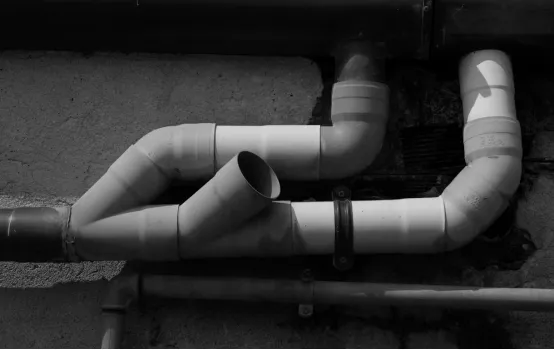
ready for inspection, maintenance, and emergency plumbing service work
Restoring consistent sewer flow
Sewer line pressure zones develop gradually through a combination of flow delay, buildup accumulation, pipe geometry limitations, and air pressure imbalance. They are one of the earliest indicators that a sewer system is losing efficiency.
When identified early, they can be corrected before they turn into full blockages or system failures.
J&B Drain Cleaning and Plumbing Service provides affordable hydro jetting, sewer inspection, drain cleaning, and diagnostic services designed to detect hidden pressure zones and restore stable, long-term sewer performance.
If your drains are slow, inconsistent, or behaving unpredictably across different fixtures, call (631) 704-3202 to schedule a professional inspection before pressure zones develop into major sewer failure.
About the Author
The author is a plumbing systems content specialist with extensive experience explaining residential and commercial drainage behavior in clear, practical terms. With a focus on how internal pipe conditions, flow dynamics, and system design affect everyday plumbing performance, the author translates complex technical plumbing issues into easy-to-understand insights. Their work emphasizes early detection patterns, system efficiency, and the hidden causes behind recurring plumbing problems, helping readers better understand how plumbing systems behave beneath the surface.

























Sign in to leave a comment.