

Short breaks aren’t indulgent; they’re part of a healthy rhythm that helps families and participants keep life balanced. For people navigating the NDIS, a short stay can be the reset that restores energy, confidence, and connection — both for the individual and their carers. It’s not about taking time “off,” but creating time “well spent.” In many homes, particularly where ageing parents or loved ones are part of the care network, short term respite care for elderly offers a safe, familiar environment that still gives everyone the breathing space they need. These stays can run for a few days or a week, providing consistency, routine, and comfort while giving carers the chance to rest or manage other commitments. When planned thoughtfully, short-term respite becomes less about stepping away and more about keeping everyone — participants and carers alike — supported, steady and thriving.
What short-term respite looks like under the NDIS
Short-term respite (often called STA) is a temporary stay where supports are organised to match the person’s goals, preferences and daily rhythms. Done well, it’s a low-pressure space for practising routines, trying activities in the community, and maintaining the wellbeing of the people who provide day-to-day help. The focus should be practical: what can be rehearsed here and repeated back home?
- Builds capability in daily living without the rush of usual schedules
- Creates space for carers to rest and reset, preserving family stability
- Offers a change of environment to trial routines, technology or community activities
- Provides structure that prevents issues from escalating into crisis
I worked with a participant who struggled with the morning rush. In a three-night stay, we mapped a simple visual sequence, tested it without the school bell pressure, and took notes on prompts that actually landed. Back home, the same steps held. Less tension. More predictability. That’s the quiet power of a well-planned break.
Understanding options and safeguards
A clear grasp of terms and formats helps you set expectations with providers and your support team. Short stays can be individual or group-based; they might be quieter, sensory-friendly homes or more social, activity-rich settings. What matters is fit — staffing, routines, health supports, and access to the community.
- Ask about overnight supervision, training in communication and mealtime supports
- Check how personal routines (sleep, sensory regulation, medication protocols) are handled
- Clarify community access — transport, local activities, realistic time in the community
- Request a sample timetable and a short profile of who else may be staying
When families need clear, trusted definitions or want to align their understanding with national standards, Australia’s government respite care resources offer a straightforward explanation of respite types and eligibility. Using that shared reference point helps everyone — participants, carers and coordinators — speak the same language when planning a short-term stay.
Planning a short stay that actually works
A short break should be purposeful, not vague. Decide on a few practical outcomes, arrange the information providers need, and keep communication simple. The goal is a short, repeatable plan you can use again.
- Choose 1–3 measurable goals (e.g., getting ready with fewer prompts)
- Share a one-page profile covering strengths, preferences and communication
- Pack familiar aids: AAC devices, chargers, sensory items, and a short routine outline
- Agree on contact: quick daily updates or one check-in call if that settles nerves
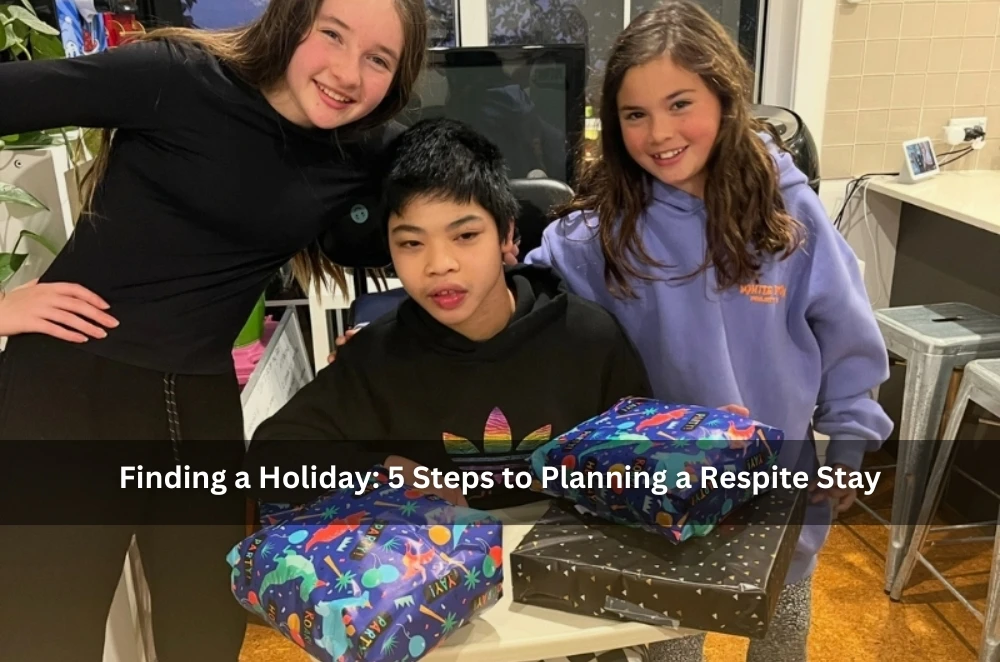
I’ve often seen that when families spend a little extra time on planning a respite stay, things tend to unfold more smoothly. Having a simple outline keeps everyone on the same page and helps the person settling in know what to expect. It’s a gentle structure that supports independence while keeping the experience positive for everyone involved.
Choosing a provider that fits the person, not just the postcode
The right setting aligns with the person’s sensory preferences, health needs and social comfort. Fit shows up in the details: room layouts, quiet spaces, staff ratios, and how teams communicate day to day.
- Environment: calm vs. lively, access to outdoor space, and room setup for safe mobility
- Compatibility: who else may be staying and how group dynamics are considered
- Health supports: clear protocols for medication, seizures, mealtime management
- Community rhythm: realistic plans for outings, travel time and energy levels
Visit if you can. Notice bathrooms, kitchens and shared areas — wherever routines will unfold. Ask for examples of how staff scaffold skills without over-prompting. A small win during a two-night stay (like a calmer bedtime sequence) should be simple enough to repeat at home with the least amount of support.
After the stay: carry the gains back home
The last step is often skipped: translating what worked into daily life. A short debrief with the provider, a few photos of routines, and a practical note about prompts can make the difference between a nice weekend and lasting change.
- Capture what actually happened: which prompts worked, which ones didn’t
- Update routines with what stuck — keep it short and specific
- Share notes with key people (support coordinator, therapists, trusted supports)
- Schedule the next small target to keep momentum going
Think of each stay as a waypoint. You’re not chasing perfection; you’re banking repeatable moments that keep things steady and predictable.
Final thoughts
Short-term respite isn’t a luxury for NDIS participants or the families who support them — it’s a way to stay steady, connected and capable. When a stay is thoughtfully planned, it brings calm back into the week and gives everyone room to breathe. The most valuable results are often quiet ones: smoother routines, better communication and a more confident sense of independence. Many families find that consistent short stays strengthen the whole household dynamic. It’s not just about rest; it’s about rediscovering balance. That’s the heart of family focused respite support, keeping relationships strong and ensuring care remains sustainable for everyone involved.






























Sign in to leave a comment.