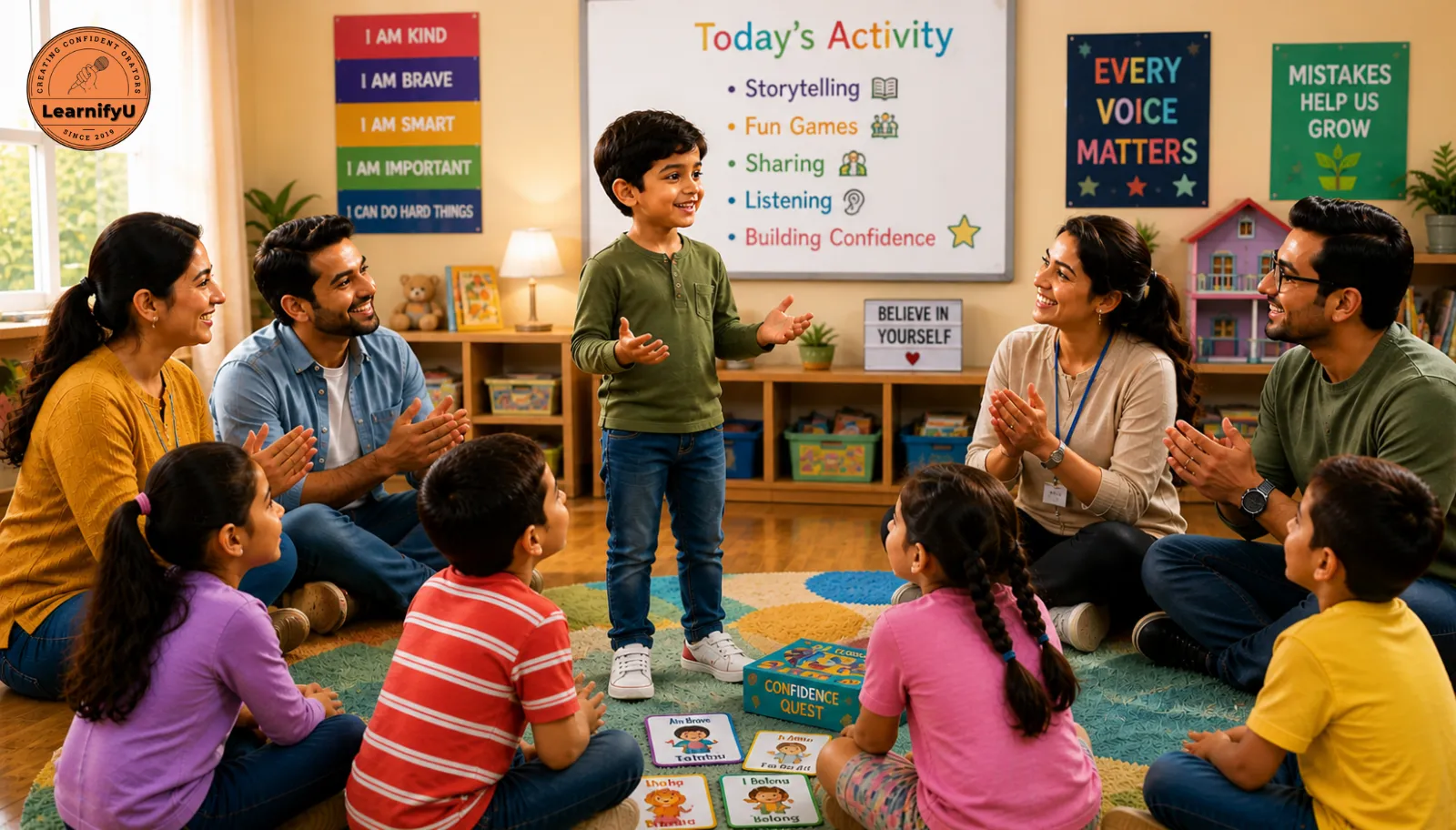

Introduction
Every child has their own nature. Some burst into a room talking a mile a minute. Others hang back, needing a little time before they join in. Shyness isn’t some problem to fix. It’s just part of who some kids are. Still, plenty of adults rush in, trying to “fix” quietness by urging kids to speak up or become outgoing overnight.
Honestly, shy kids need a boost - not a shove.
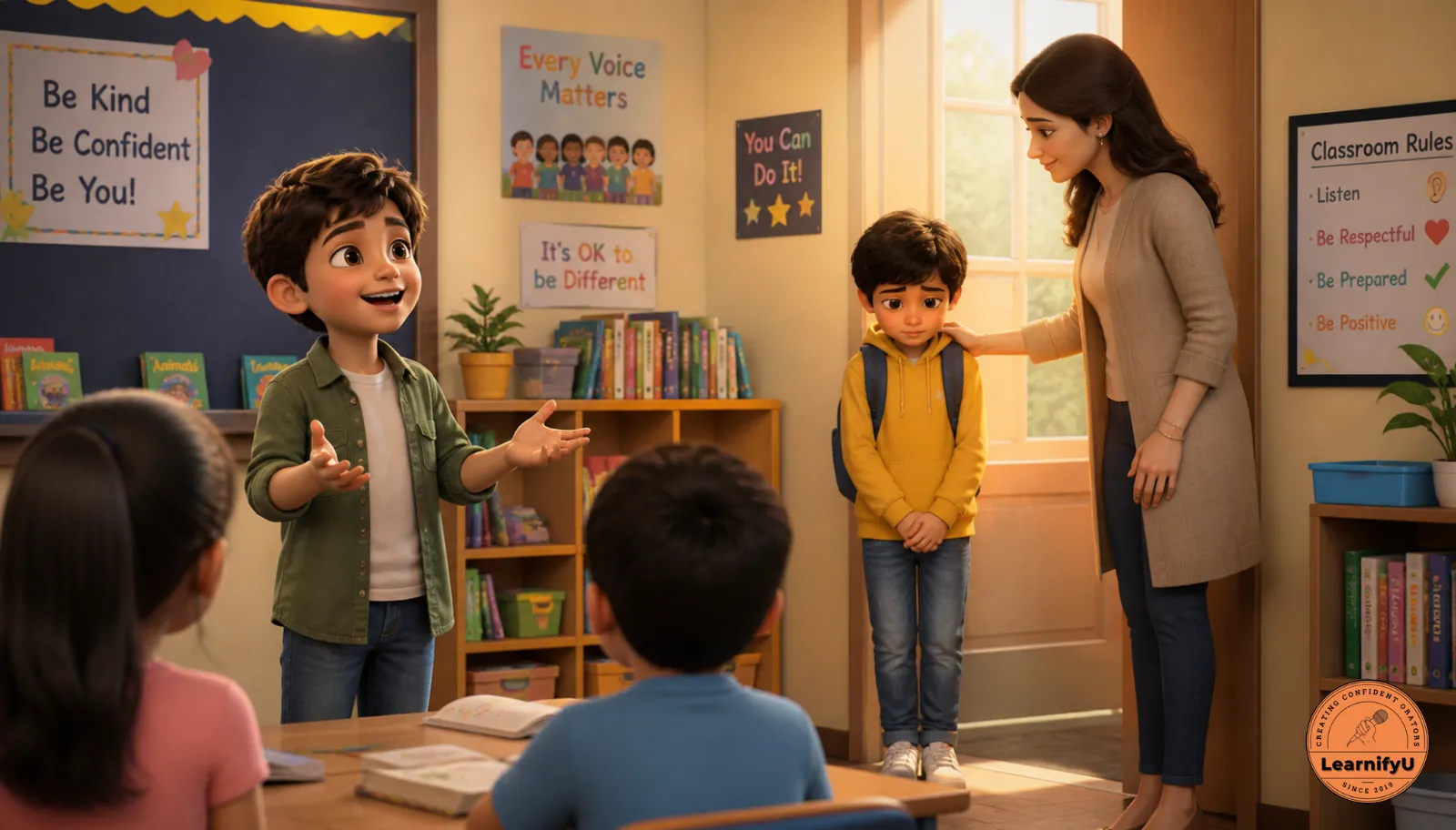
Why Pressure Backfires
Parents & teachers sometimes think making kids talk or comparing them to others will toughen them up. They push them to speak out, call them “too shy,” or put them under the spotlight. But that sort of pressure? It backfires. It just builds up:
- Fear of messing up
- Self-doubt
- Social-anxiety
- Even more silence
Instead of helping, pressure just makes things worse for shy kids.
Why Encouragement Actually Helps
Support does real work. When kids feel safe, when adults cheer them on for trying—even just a little—they start to grow. Encouragement sounds like:
- Praise for small attempts
- Listening without rushing
- Giving them space to answer
- Celebrating-small victories
- Letting them move at their own speed
Those little wins pile up, and pretty soon, kids feel much more confident.
How to Really Support Shy Kids
1. Make a Safe Space
If kids feel comfortable and accepted, talking gets easier.
2. Practice at Home
Chat every day. Ask questions that invite them to share - not just yes or no.
3. Keep It Fun
Try stories, games, or group activities—stuff that makes interaction less scary.
4. Skip the Comparisons
Every kid grows differently. Comparing doesn’t help & it kills confidence.
5. Wait for Them
Confidence doesn’t happen overnight. Let it come on its own - step by step.
The Payoff: Long-Term Confidence
With real support, shy kids can turn into:
- Thoughtful communicators
- Great listeners
- Creative thinkers
- Kind leaders
Confident speakers—when the time is right
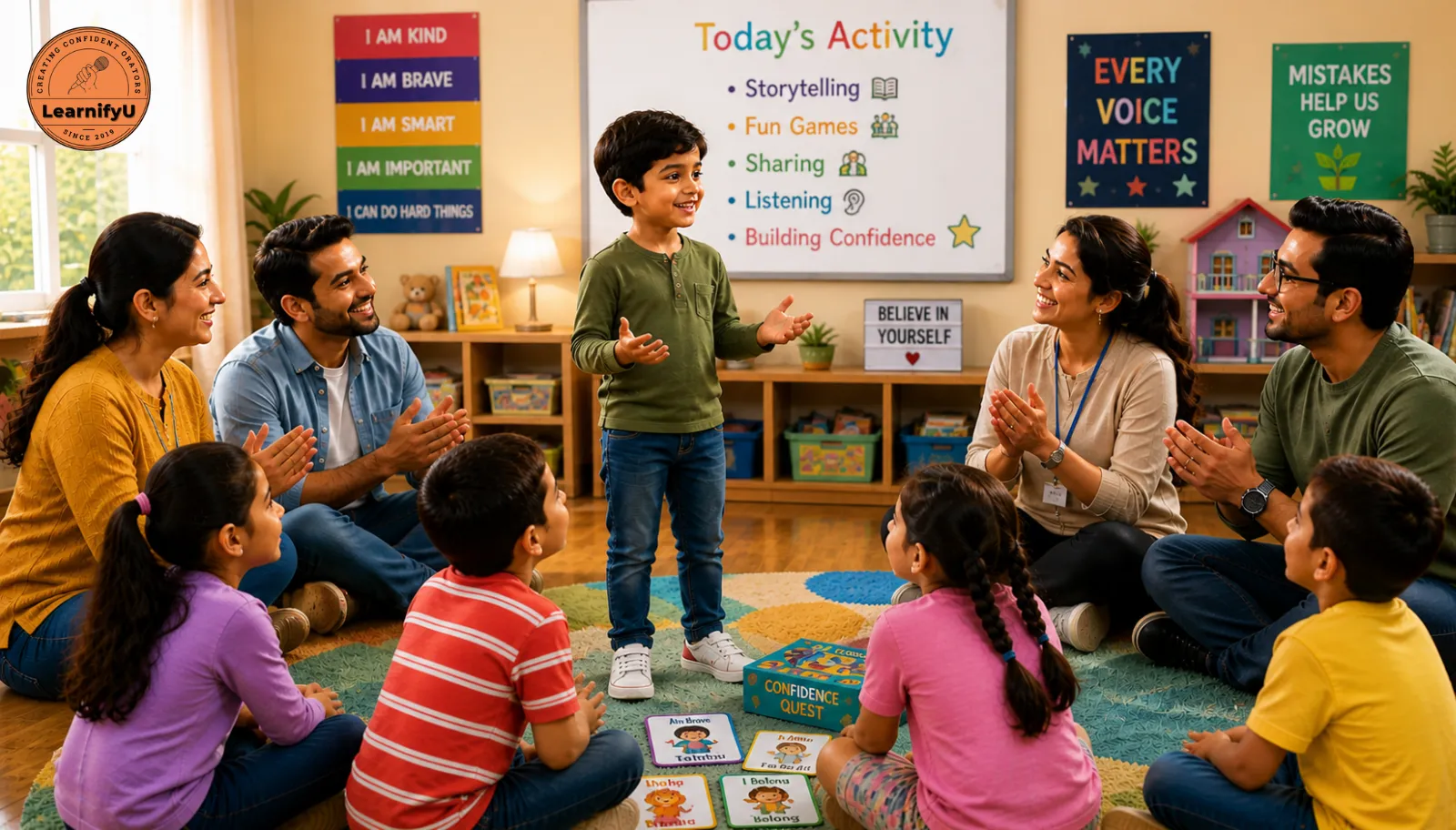
Conclusion
Shy kids don’t need force. They need patience, trust & a gentle hand. Pressure shuts them down but encouragement helps them find their voice. A kid who feels seen and accepted starts to feel brave—and that’s how confidence begins.





























Sign in to leave a comment.