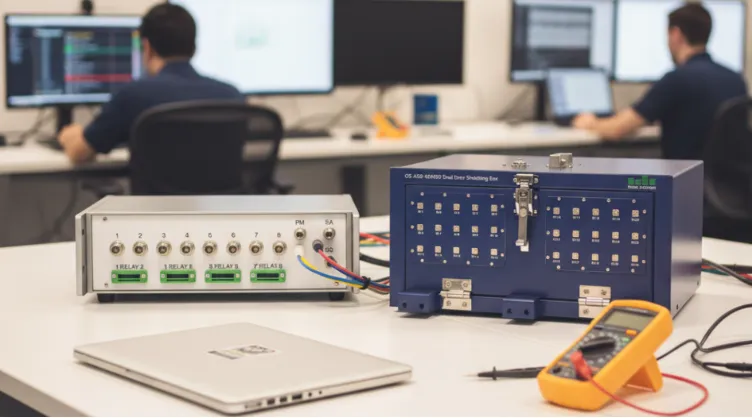

The telecom industry is evolving faster than ever in 2026. With the rapid growth of 5G expansion, edge computing, IoT ecosystems, private wireless networks, and early 6G research, telecom providers are under pressure to deliver faster, more stable, and highly scalable communication networks. Behind these advanced infrastructures, one critical component plays a major role in maintaining uninterrupted connectivity and efficient signal management signal switching units.
Modern telecom systems rely on continuous signal routing between multiple devices, antennas, testing systems, and communication channels. Without reliable switching technology, managing network traffic, minimizing downtime, and maintaining signal integrity would become increasingly difficult. Telecom operators today require high-performance switching solutions that can support complex RF environments while improving operational efficiency and reducing network disruptions.
As wireless technologies continue to expand across industries, signal management solutions are becoming more intelligent, automated, and scalable. This growing demand is driving innovation in telecom infrastructure design and creating new opportunities for advanced switching technologies.
Key Takeaways
- Learn why signal switching technology is critical for modern telecom infrastructure
- Understand the major benefits of advanced switching systems in wireless networks
- Discover common telecom challenges solved through efficient signal routing
- Explore key features organizations should consider when selecting switching solutions
- Find practical best practices for improving telecom network performance and scalability
Understanding the Role of Signal Switching in Telecom Networks
Telecom networks operate through a complex system of connected devices, antennas, routers, base stations, and transmission equipment. To ensure smooth communication between these components, signals must be directed accurately and efficiently.
This is where signal switching units become essential. These systems allow telecom operators to route RF and communication signals between multiple channels without interrupting network performance. They help optimize signal flow, reduce interference, and maintain stable communication across both wired and wireless infrastructures.
In large telecom environments, switching systems support:
- Signal routing between multiple devices
- Network redundancy and failover operations
- Automated testing and monitoring
- Traffic balancing across communication channels
- Maintenance and troubleshooting processes
As networks continue to become more complex, efficient signal switching is now considered a foundational requirement for telecom reliability.
Why Telecom Infrastructure Requires Advanced Switching Systems
Telecom infrastructure today supports millions of simultaneous connections across mobile devices, IoT networks, smart cities, and industrial automation systems. Traditional manual switching processes are no longer sufficient for handling modern traffic demands.
Growing Network Complexity
5G networks operate with higher frequencies, denser antenna deployments, and more connected devices than previous generations. This creates a need for advanced signal routing systems capable of handling large volumes of data traffic efficiently.
Demand for Low Latency
Applications such as autonomous vehicles, remote healthcare, industrial automation, and cloud gaming require ultra-low latency communication. High-performance switching systems help reduce delays and improve signal responsiveness.
Increased Network Reliability
Telecom providers must ensure continuous service availability. Switching systems help maintain network stability through backup routing and redundancy mechanisms during equipment failures or maintenance activities.
Support for Automation
Modern telecom facilities increasingly depend on automated monitoring and network management systems. Automated switching solutions simplify operations and reduce manual intervention.
Key Benefits of Signal Switching Units
Efficient switching technology provides several operational and technical advantages for telecom providers.
Improved Signal Management
Advanced switching systems help direct signals accurately across multiple communication paths while minimizing interference and signal loss.
Faster Network Maintenance
Switching solutions simplify troubleshooting and maintenance by allowing operators to isolate, reroute, or test network channels quickly.
Enhanced Scalability
As telecom infrastructure grows, switching systems can be expanded to support additional antennas, devices, and communication channels without major redesigns.
Better Operational Efficiency
Automation capabilities reduce manual configuration processes and improve overall network management efficiency.
Reduced Downtime
Redundant signal routing capabilities help telecom operators maintain continuous service during system failures or maintenance operations.
Challenges Faced by Telecom Networks
Modern telecom systems face several technical and operational challenges that switching technologies help address.
Signal Interference
Dense wireless environments often create interference issues that affect communication quality. Advanced switching systems help manage signal paths more effectively to minimize disruptions.
High Data Traffic
The growing number of connected devices increases network congestion and bandwidth demands. Efficient routing systems improve traffic distribution across communication channels.
Equipment Integration Complexity
Telecom networks use equipment from multiple vendors. Integrating these systems while maintaining stable communication can become challenging without flexible switching infrastructure.
Network Expansion Pressures
Telecom providers constantly expand network coverage and capacity. Scalable switching systems support future growth while maintaining operational consistency.
Features to Look for in Modern Switching Solutions
Organizations investing in telecom infrastructure should evaluate several important features before selecting switching technologies.
High-Frequency Compatibility
Modern wireless systems require support for higher frequency ranges, including mmWave applications used in advanced 5G deployments.
Low Signal Loss
Efficient switching systems should maintain strong signal integrity with minimal insertion loss during routing operations.
Automation Integration
Compatibility with automated network management platforms helps improve operational efficiency and simplify remote monitoring.
Modular Design
Flexible modular systems allow organizations to scale infrastructure based on future network expansion requirements.
Reliability and Durability
Telecom environments require highly reliable equipment capable of operating continuously under demanding conditions.
Best Practices for Optimizing Telecom Switching Infrastructure
Organizations can improve telecom performance and long-term scalability by following several proven strategies.
Invest in Scalable Infrastructure
Choose switching systems that support future expansion and evolving wireless standards to avoid costly upgrades later.
Prioritize Automation
Integrating automated monitoring and control systems helps reduce operational complexity and improve response times.
Maintain Proper Signal Isolation
Effective RF isolation and cable management reduce interference and improve network stability.
Schedule Preventive Maintenance
Routine inspection and maintenance of switching infrastructure help prevent unexpected failures and downtime.
Work with Experienced Technology Partners
Collaborating with trusted telecom infrastructure providers ensures better system integration, technical support, and long-term reliability.
Emerging Trends in Telecom Signal Switching
The telecom industry continues to evolve rapidly, and switching technologies are adapting to support next-generation networks.
AI-Driven Network Management
Artificial intelligence is improving traffic routing, predictive maintenance, and automated fault detection within telecom systems.
Edge Computing Integration
As edge computing expands, telecom infrastructure requires faster local signal management and low-latency routing capabilities.
6G Research and Development
Early 6G development is already driving demand for advanced high-frequency switching technologies capable of supporting future communication standards.
Cloud-Based Telecom Infrastructure
Cloud-native telecom architectures require highly flexible and remotely manageable switching solutions.
Build Smarter and More Reliable Telecom Infrastructure
As telecom networks continue to expand in complexity and scale, advanced switching technologies are becoming increasingly important for maintaining performance, reliability, and operational efficiency. Investing in intelligent infrastructure solutions helps organizations prepare for future wireless demands while improving network stability and scalability.
Orbis Systems delivers advanced telecom testing and automation solutions designed to support reliable signal management, scalable infrastructure, and next-generation wireless technologies. With expertise in RF systems, automation, and telecom innovation, the company continues to help organizations build smarter and more efficient communication environments.
Frequently Asked Questions
What are signal switching units used for in telecom infrastructure?
Signal switching units are used to route communication signals between multiple devices, antennas, and network channels while maintaining stable and efficient signal transmission.
Why are switching systems important for 5G networks?
5G networks operate with high-frequency signals and dense infrastructure. Advanced switching systems help manage traffic efficiently, reduce latency, and maintain signal reliability.
How do switching systems improve telecom reliability?
Switching solutions support redundancy and backup routing, allowing telecom operators to maintain network availability during failures or maintenance activities.
What industries benefit from telecom switching technology?
Industries including telecommunications, aerospace, automotive, defense, smart manufacturing, and IoT all benefit from advanced signal switching technologies.
What should organizations consider before selecting a switching solution?
Organizations should evaluate scalability, automation compatibility, frequency support, signal integrity, reliability, and long-term infrastructure requirements before selecting a switching system.
Can switching systems support automated telecom environments?
Yes. Modern switching technologies are designed to integrate with automated monitoring, testing, and network management systems for improved operational efficiency.





























Sign in to leave a comment.