

The NCC Certification in Electronic Fetal Monitoring (C-EFM) exam is a critical credential designed for healthcare professionals specializing in obstetrical care, labor and delivery, and other areas where fetal monitoring is paramount. This certification validates a practitioner's in-depth knowledge and advanced skills in interpreting electronic fetal monitoring (EFM) tracings, understanding fetal physiology, and implementing appropriate interventions. For clinicians dedicated to maternal-fetal well-being, earning the C-EFM demonstrates a commitment to excellence and significantly enhances professional standing. This article explores the profound benefits of pursuing this certification, outlining its structure, preparation pathways, and the compelling reasons why delaying or bypassing the C-EFM exam can impede career advancement and limit impact in a vital clinical area.
Validating Essential Expertise in Fetal Monitoring
Achieving the C-EFM certification signifies a specialized level of competence in electronic fetal monitoring, a core skill for ensuring optimal outcomes during labor and delivery. This credentialing process rigorously assesses a professional's ability to apply advanced physiological concepts and interpret complex EFM patterns, directly contributing to safer patient care. It is an acknowledgment of a clinician's dedication to mastering the nuances of fetal assessment, positioning them as an invaluable asset within any obstetrical team. The certification ensures that those responsible for fetal surveillance possess a standardized, high level of proficiency.
Holding this credential also instills confidence in patients and colleagues alike. When a healthcare provider is C-EFM certified, it communicates a proactive approach to continuous learning and adherence to best practices in a rapidly evolving field. For those seeking comprehensive study resources and effective preparation strategies, platforms offering specialized materials can be an excellent starting point for their journey towards mastering the C-EFM exam content.
Elevating Clinical Judgment and Decision-Making
The C-EFM examination focuses heavily on pattern recognition, causes, and intervention strategies, which are foundational to making timely and informed clinical decisions. Preparing for and passing this exam refines a professional's judgment, enabling them to quickly identify concerning fetal patterns and initiate appropriate actions. This enhanced capability directly impacts patient safety, reducing potential risks associated with misinterpretation or delayed intervention. The structured learning required for certification strengthens the analytical skills necessary for real-time critical care scenarios.
Commitment to Patient Safety Standards
Certification in Electronic Fetal Monitoring is fundamentally about upholding the highest standards of patient safety. The exam challenges candidates to demonstrate a thorough understanding of professional issues and fetal assessment methods, ensuring that ethical considerations and evidence-based practices guide their clinical actions. By validating these critical areas, the NCC C-EFM exam helps to mitigate risks in labor and delivery, promoting a culture of vigilance and accountability. This commitment to ongoing professional development is a cornerstone of quality healthcare.
Unpacking the C-EFM Examination Structure
Understanding the specific details of the C-EFM exam is the first step toward successful preparation. The NCC Certification in Electronic Fetal Monitoring is meticulously designed to assess a broad spectrum of knowledge crucial for practicing professionals. Candidates are allotted a specific duration to answer a predetermined number of questions, with a clear distinction between scored and pretest items to ensure fair evaluation and continuous refinement of the exam content.
The examination includes both a non-refundable application submission cost and a testing fee, reflecting the investment in maintaining a high-stakes, credible assessment. Passing requires achieving a particular score, which is typically presented as a pass/fail outcome rather than a graded percentage, emphasizing competence over comparative performance. This rigorous structure ensures that only those who meet a defined standard of expertise are awarded the certification.
Key Exam Parameters for Candidates
The C-EFM exam is structured to efficiently test a candidate's mastery across all relevant domains. Here are the core details:
- Exam Name: NCC Certification in Electronic Fetal Monitoring
- Exam Code: C-EFM
- Exam Price: $210, comprising a $50 non-refundable application submission cost and a $160 testing fee.
- Duration: Candidates have 120 minutes to complete the examination.
- Number of Questions: The exam consists of 125 questions in total, with 100 scored items and 25 unscored pretest items.
- Passing Score: The outcome is pass/fail, with an approximate passing threshold of 72%.
These parameters provide a clear roadmap for candidates to plan their study efforts and manage their time effectively during the actual examination. Awareness of these elements helps reduce test anxiety and allows for focused preparation.
Core Competencies: Mastering the C-EFM Syllabus
The C-EFM syllabus delineates the essential knowledge areas and clinical skills that professionals must demonstrate to achieve certification. Each section of the syllabus is weighted, indicating the relative importance and the proportion of questions dedicated to that specific topic on the exam. A thorough understanding of these domains is critical for effective preparation, allowing candidates to allocate their study time wisely and focus on areas with higher emphasis.
By dissecting the syllabus, candidates gain clarity on the breadth and depth of knowledge required, from the fundamentals of monitoring equipment to complex physiological responses and intervention strategies. This structured approach ensures that certified individuals possess a well-rounded and robust understanding of electronic fetal monitoring.
Decoding the C-EFM Content Domains
The NCC Certification in Electronic Fetal Monitoring covers a diverse range of topics, ensuring a holistic assessment of a candidate’s capabilities. Here are the key content domains and their respective weightages:
- Electronic Monitoring Equipment (5%): Focuses on the principles of various EFM devices, their proper application, calibration, and troubleshooting. This section covers the technical aspects necessary for accurate data acquisition.
- Physiology (12%): Delves into maternal and fetal circulatory systems, oxygenation, acid-base balance, and how these physiological processes influence fetal heart rate patterns. Understanding these underpinnings is crucial for interpreting tracings accurately.
- Pattern Recognition, Causes, and Intervention (70%): This is the most heavily weighted section, demanding expertise in identifying different fetal heart rate patterns (e.g., accelerations, decelerations, variability), understanding their underlying causes (e.g., uteroplacental insufficiency, cord compression), and knowing the appropriate clinical interventions and management strategies.
- Fetal Assessment Methods (8%): Encompasses various techniques beyond EFM, such as fetal scalp stimulation, vibroacoustic stimulation, and biophysical profile interpretation, to provide a comprehensive picture of fetal well-being.
- Professional Issues (5%): Addresses ethical considerations, legal aspects, documentation standards, and effective communication strategies related to fetal monitoring within the healthcare team.
These domains collectively form the backbone of the C-EFM exam, requiring candidates to integrate theoretical knowledge with practical application in clinical scenarios. Thorough preparation across all these areas is vital for success.
Propelling Professional Growth with C-EFM Certification
Earning the NCC C-EFM certification is a powerful accelerator for professional advancement in obstetrical nursing and related healthcare fields. It signals to employers, colleagues, and patients that an individual has achieved a recognized standard of expertise in electronic fetal monitoring. This credential often translates into enhanced career opportunities, including eligibility for specialized roles, leadership positions, and increased earning potential. Furthermore, it fosters a sense of professional pride and confidence, empowering certified practitioners to take on more complex challenges in their roles.

Healthcare systems increasingly prioritize certified professionals, viewing credentials like the C-EFM as benchmarks for quality and safety. Opting to forgo this examination means missing out on these significant advantages, potentially limiting access to advanced roles and reducing overall marketability. For those interested in gaining further insights from healthcare experts, exploring articles and resources from dedicated authors can provide valuable perspectives on career development.
Expanding Career Opportunities and Recognition
The C-EFM certification opens doors to a broader array of career pathways within maternal-fetal care. Certified professionals are often sought after for roles that demand advanced EFM interpretation skills, such as labor and delivery educators, clinical nurse specialists, or charge nurses. The credential signifies a readiness to assume greater responsibility and contribute at a higher level, making individuals more competitive in a specialized job market.
- Specialized Roles: Qualifies professionals for advanced positions that require expert EFM interpretation.
- Leadership Potential: Positions individuals as leaders and mentors in EFM practices within their units.
- Increased Marketability: Enhances resume value, making candidates more attractive to top healthcare institutions.
- Professional Credibility: Bolsters reputation among peers and in the wider medical community.
These tangible benefits underscore the strategic value of the C-EFM for long-term career planning and professional fulfillment.
Strategic Preparation for C-EFM Success
Effective preparation for the C-EFM exam is multi-faceted, requiring a structured approach that encompasses both theoretical knowledge and practical application. Candidates should develop a comprehensive study plan that addresses all syllabus topics, paying particular attention to the heavily weighted areas. Utilizing a variety of study resources, including textbooks, online courses, and practice questions, is crucial for building a solid foundation and familiarizing oneself with the exam format. Skipping this rigorous preparation can lead to unexpected challenges on exam day, impacting performance and potentially requiring retesting.
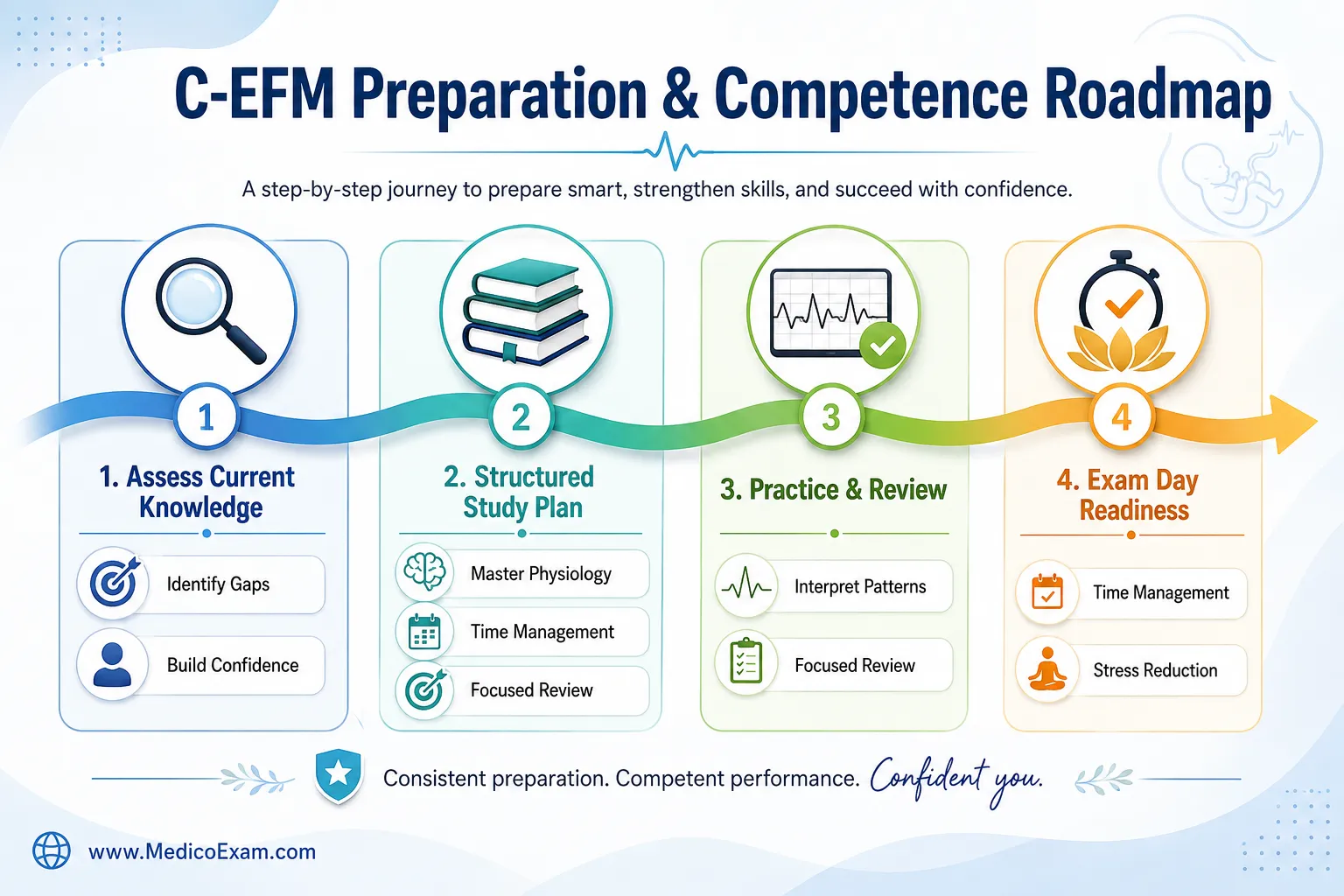
A key component of successful preparation involves understanding how to approach different question types and managing time effectively during the exam. Engaging with materials that simulate the actual testing environment can significantly boost confidence and readiness. The official NCC candidate guide provides invaluable information regarding the exam content outline, eligibility criteria, and administrative policies, which are essential for guiding effective study.
Developing an Optimized Study Plan
A well-structured study plan is indispensable for mastering the extensive C-EFM content. Candidates should:
- Review the Syllabus Thoroughly: Identify strengths and weaknesses across all content domains, prioritizing areas with higher weightage or those requiring more attention.
- Utilize Diverse Resources: Combine official NCC publications with reputable review courses, textbooks, and peer-reviewed articles to gain a comprehensive understanding.
- Practice Regularly: Work through numerous C-EFM practice questions to reinforce learning, identify knowledge gaps, and become accustomed to the exam’s question style and format.
- Simulate Exam Conditions: Take full-length practice tests under timed conditions to improve pacing and reduce anxiety for the actual exam.
- Form Study Groups: Collaborating with peers can provide different perspectives, clarify complex topics, and maintain motivation.
Adhering to a disciplined study schedule and leveraging appropriate resources are fundamental elements of a successful C-EFM preparation strategy.
Overcoming Common Preparation Challenges
Many candidates encounter challenges during their C-EFM exam preparation, such as time constraints, difficulty with complex physiological concepts, or test anxiety. Proactive strategies can help overcome these hurdles:
- Time Management: Break down study into manageable daily or weekly goals, integrating short study sessions into busy schedules.
- Conceptual Understanding: Focus on understanding the "why" behind EFM patterns and interventions rather than rote memorization. Use diagrams, flowcharts, and case studies to solidify complex physiological concepts.
- Stress Reduction: Incorporate mindfulness techniques, regular exercise, and adequate rest into the study routine to manage stress and maintain mental clarity.
- Targeted Review: Utilize diagnostic feedback from practice tests to identify specific weak areas that require focused review, making study efforts more efficient.
By anticipating and addressing these common challenges, candidates can optimize their preparation journey, enhancing their likelihood of success on the C-EFM exam.
Navigating the C-EFM Registration Process and Costs
The registration process for the NCC C-EFM exam involves several steps, from confirming eligibility to submitting the application and scheduling the test. Candidates must carefully review the eligibility requirements outlined by the NCC to ensure they meet the necessary professional and educational criteria. Understanding the associated costs, including both the application and testing fees, is also essential for financial planning. Delays in this administrative phase can push back examination dates, impacting career timelines and professional goals.
Accessing the most current and accurate information is crucial throughout this process. The official NCC website is the definitive source for all procedural guidelines, fee structures, and scheduling details, ensuring candidates follow the correct protocols for C-EFM exam registration.
Understanding Eligibility and Application
Before proceeding with registration, candidates must verify their eligibility for the C-EFM certification. The NCC has specific criteria related to clinical experience and professional licensure. The application typically requires submission of credentials and documentation to prove these requirements are met. It is important to complete this phase accurately and on time to avoid any processing delays.
- Eligibility Verification: Confirming professional licensure and required clinical hours.
- Documentation Submission: Providing necessary transcripts and work verification.
- Application Accuracy: Ensuring all submitted information is correct to prevent rejection.
A smooth application process sets the stage for a focused preparation and testing experience.
Managing Examination Fees and Scheduling
The cost of the C-EFM exam is a significant consideration, encompassing both the application fee and the subsequent testing fee. Candidates should budget for these expenses and be aware of any deadlines or specific payment methods. Once the application is approved, scheduling the exam at an authorized testing center is the next critical step. Flexibility in scheduling can be limited, especially during peak periods, so early planning is highly recommended.
- Budgeting for Fees: Allocating funds for the $50 application fee and the $160 testing fee.
- Payment Methods: Understanding accepted forms of payment and potential deadlines.
- Scheduling Flexibility: Booking the exam well in advance to secure preferred dates and locations.
- Rescheduling Policies: Familiarizing oneself with NCC’s policies for rescheduling or cancellations, should unforeseen circumstances arise.
Proactive management of these administrative details helps ensure a stress-free path to sitting for the C-EFM exam.
Sustaining Credibility: C-EFM Renewal and Beyond
Earning the C-EFM certification is a significant accomplishment, but maintaining its validity is equally important for long-term professional credibility. NCC certifications typically require periodic renewal, which often involves demonstrating continued competence through professional development activities, continuing education units (CEUs), or re-examination. This ongoing commitment ensures that certified professionals remain current with the latest advancements, guidelines, and best practices in electronic fetal monitoring. Neglecting the renewal process can result in the lapse of certification, requiring reapplication and potentially retesting, which can be both time-consuming and costly.
Maintaining a current C-EFM status is a testament to continuous learning and adaptation within the dynamic field of obstetrical care. It reinforces the value of the credential as an active measure of expertise, not merely a one-time achievement.
Strategies for Maintaining C-EFM Certification
To sustain the C-EFM certification, professionals should implement a proactive strategy for renewal. This involves tracking professional development activities and ensuring they align with NCC's requirements.
- Understanding Renewal Requirements: Familiarizing oneself with the specific CEU or professional activity hours needed for renewal.
- Consistent Professional Development: Engaging in relevant courses, workshops, and conferences that contribute to EFM knowledge and skill.
- Record Keeping: Maintaining meticulous records of all continuing education and professional activities for submission during the renewal cycle.
- Early Planning: Beginning the renewal process well in advance of the expiration date to avoid last-minute rush or lapse.
These strategies help ensure that a professional's C-EFM credential remains active and continues to affirm their specialized expertise.
Expanding Opportunities with C-EFM Credentialing
The C-EFM credential not only enhances individual career prospects but also contributes significantly to the overall quality and safety of obstetrical services within healthcare institutions. By elevating the standard of practice in electronic fetal monitoring, certified professionals help to reduce adverse outcomes and improve maternal-fetal health. This collective impact solidifies the C-EFM's reputation as a vital certification for specialists working in labor and delivery units, high-risk obstetrics, and other related areas. It reflects a shared commitment to clinical excellence and patient advocacy.
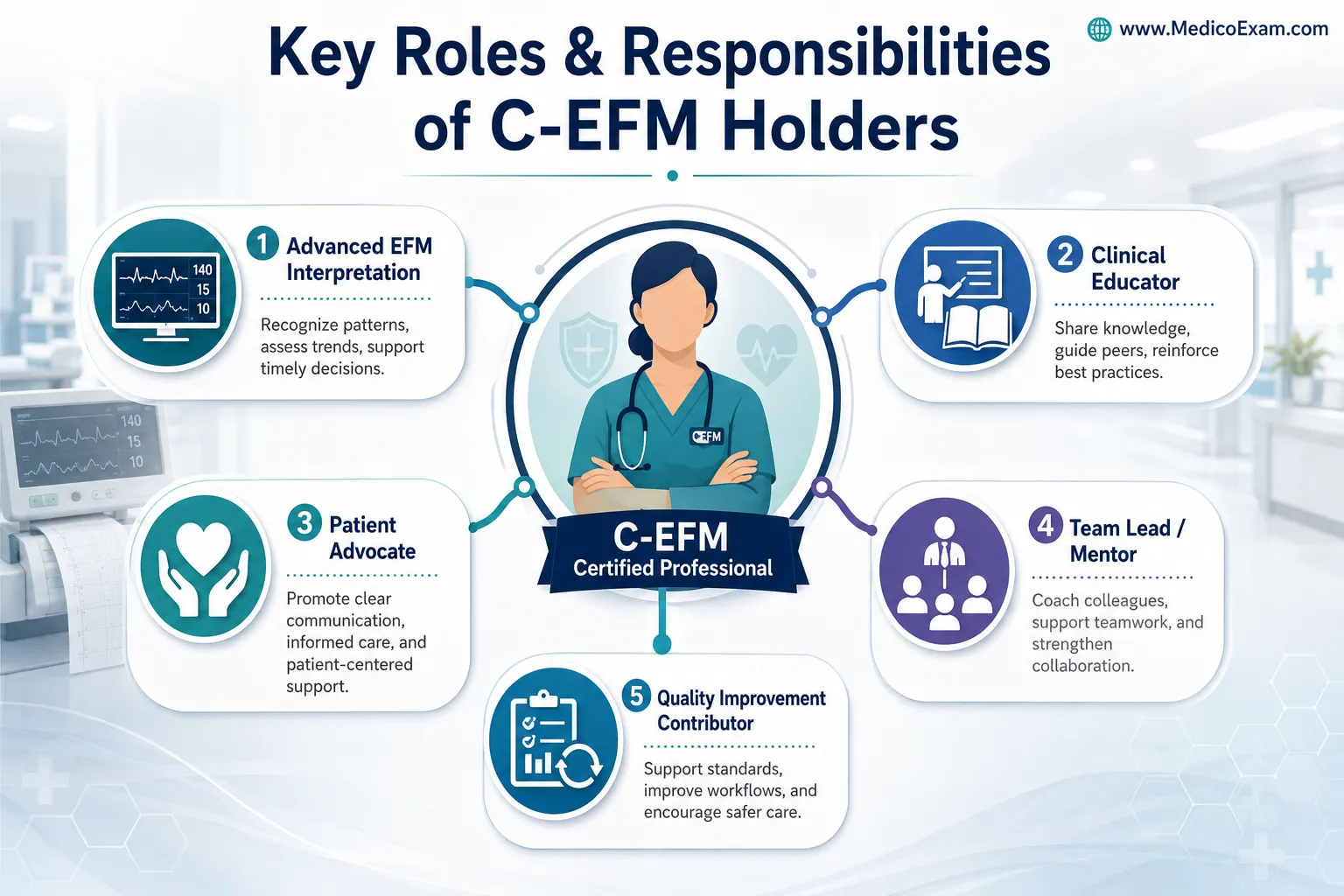
Beyond immediate career benefits, the certification can also foster a culture of continuous learning and mentorship within clinical environments. Certified individuals often become go-to resources for their uncertified peers, facilitating knowledge transfer and elevating the collective skill set of the team. This ripple effect underscores the broader, systemic value of pursuing the C-EFM.
Impact on Healthcare Quality and Standards
The widespread attainment of C-EFM certification among relevant healthcare providers directly contributes to higher quality patient care. It standardizes the interpretation of fetal monitoring, minimizes variability in practice, and ensures that evidence-based interventions are applied consistently. This improves outcomes for both mothers and infants.
- Standardized Practice: Reduces discrepancies in EFM interpretation across different practitioners and facilities.
- Evidence-Based Care: Promotes the application of current research and guidelines in clinical practice.
- Improved Outcomes: Directly correlates with better maternal and fetal health outcomes due to expert monitoring.
- Enhanced Team Collaboration: Fosters a shared understanding and language around EFM, improving interdisciplinary communication.
Ultimately, the C-EFM credential serves as a powerful tool for advancing healthcare quality and fortifying the standards of obstetrical care.
The NCC Certification in Electronic Fetal Monitoring (C-EFM) is more than just an exam; it’s a gateway to advanced professional recognition, enhanced clinical competence, and expanded career opportunities. Skipping this crucial certification process not only deprives individuals of these significant advantages but also limits their potential impact in an area of healthcare where precision and expertise are paramount. From validating essential skills in EFM interpretation to fostering a commitment to patient safety and opening doors to leadership roles, the C-EFM serves as a cornerstone for career progression in maternal-fetal care. The structured preparation, clear understanding of exam dynamics, and commitment to continuous learning are investments that yield substantial returns, ensuring professionals are equipped to deliver the highest standard of care.
Embrace the path to C-EFM certification to unlock your full potential and solidify your role as a leader in obstetrical excellence. Preparing diligently, understanding the syllabus, and strategically approaching the exam are critical steps towards achieving this esteemed credential. Take control of your professional trajectory by committing to this invaluable certification. For further guidance and resources to aid in your C-EFM journey, consider exploring further professional content to deepen your expertise.
Frequently Asked Questions
1. Who is the NCC C-EFM exam intended for?
The NCC C-EFM exam is primarily intended for healthcare professionals such as registered nurses, advanced practice registered nurses, and physicians who are involved in the assessment and care of pregnant patients, particularly those in labor and delivery or high-risk obstetrics units.
2. What knowledge does the C-EFM certification validate?
The C-EFM certification validates expertise in electronic fetal monitoring (EFM), covering areas like equipment operation, fetal physiology, comprehensive pattern recognition, interpretation, causes of patterns, and appropriate interventions, as well as fetal assessment methods and professional issues.
3. How long is the C-EFM certification valid?
NCC certifications, including C-EFM, typically have a specific validity period (e.g., three years). Renewal generally requires ongoing professional development, continuing education units (CEUs), and submission of renewal applications as outlined by the NCC.
4. Are there any prerequisites for taking the C-EFM exam?
Yes, candidates must meet specific eligibility criteria established by the NCC, which usually include current licensure as an RN or APRN, and a certain number of hours of direct clinical experience in obstetric care within the last few years. Always refer to the official NCC website for the most current requirements.
5. What are the benefits of obtaining the C-EFM certification?
Benefits include enhanced professional credibility, increased marketability, expanded career opportunities in specialized roles, improved clinical judgment, and a demonstrated commitment to patient safety and quality care in maternal-fetal health settings.



























Sign in to leave a comment.