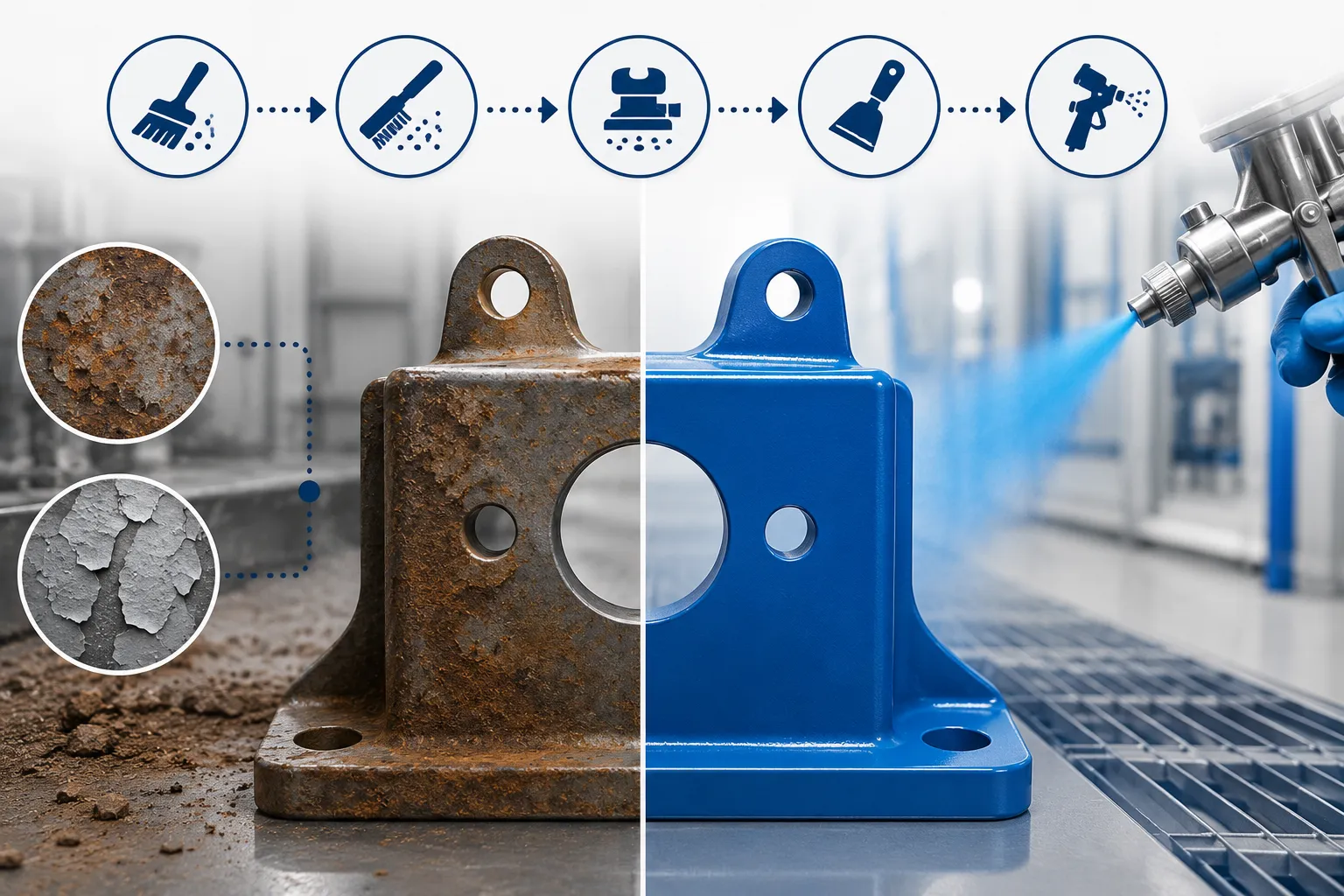

Surface preparation is one of the most important steps before applying any paint or protective coating. Even the highest-quality paint cannot deliver long-lasting results if the surface is dirty, oily, rusty, or uneven.
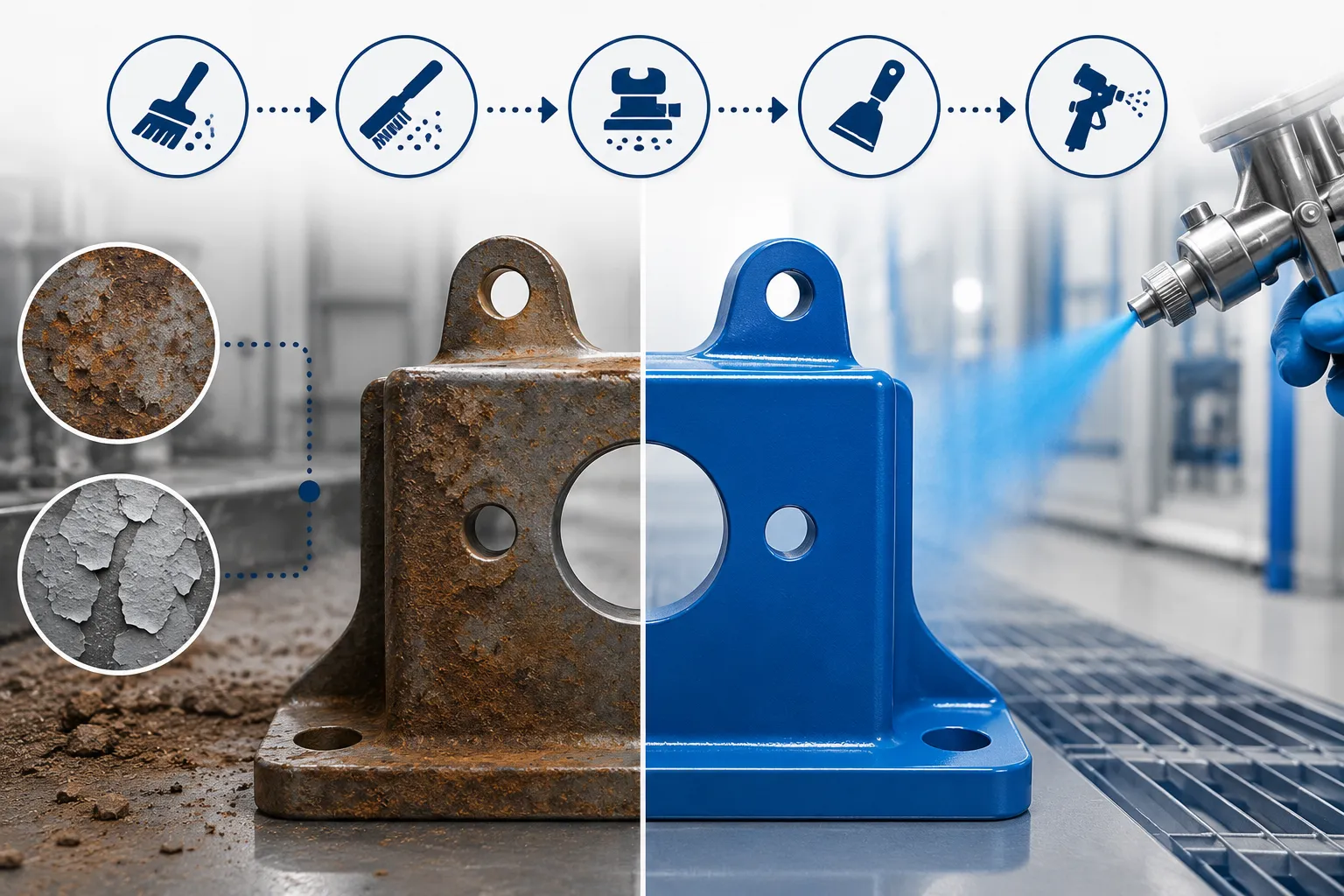
Proper preparation helps manufacturers achieve better paint adhesion, a smoother finish, and longer coating life while reducing costly defects and rework. It also plays an important role in achieving a high-quality surface finish throughout the manufacturing process.
Why Surface Preparation Is Important
1. Improves Paint Adhesion
Paint bonds much better to a clean and properly prepared surface. Removing dust, grease, rust, and old coatings helps the new paint adhere more effectively and reduces the risk of peeling.
2. Creates a Better Surface Finish
A smooth, defect-free surface allows paint to spread evenly, resulting in a more professional appearance with fewer visible imperfections. Different industrial finishing methods are used depending on the material and the required product performance.
3. Prevents Common Paint Defects
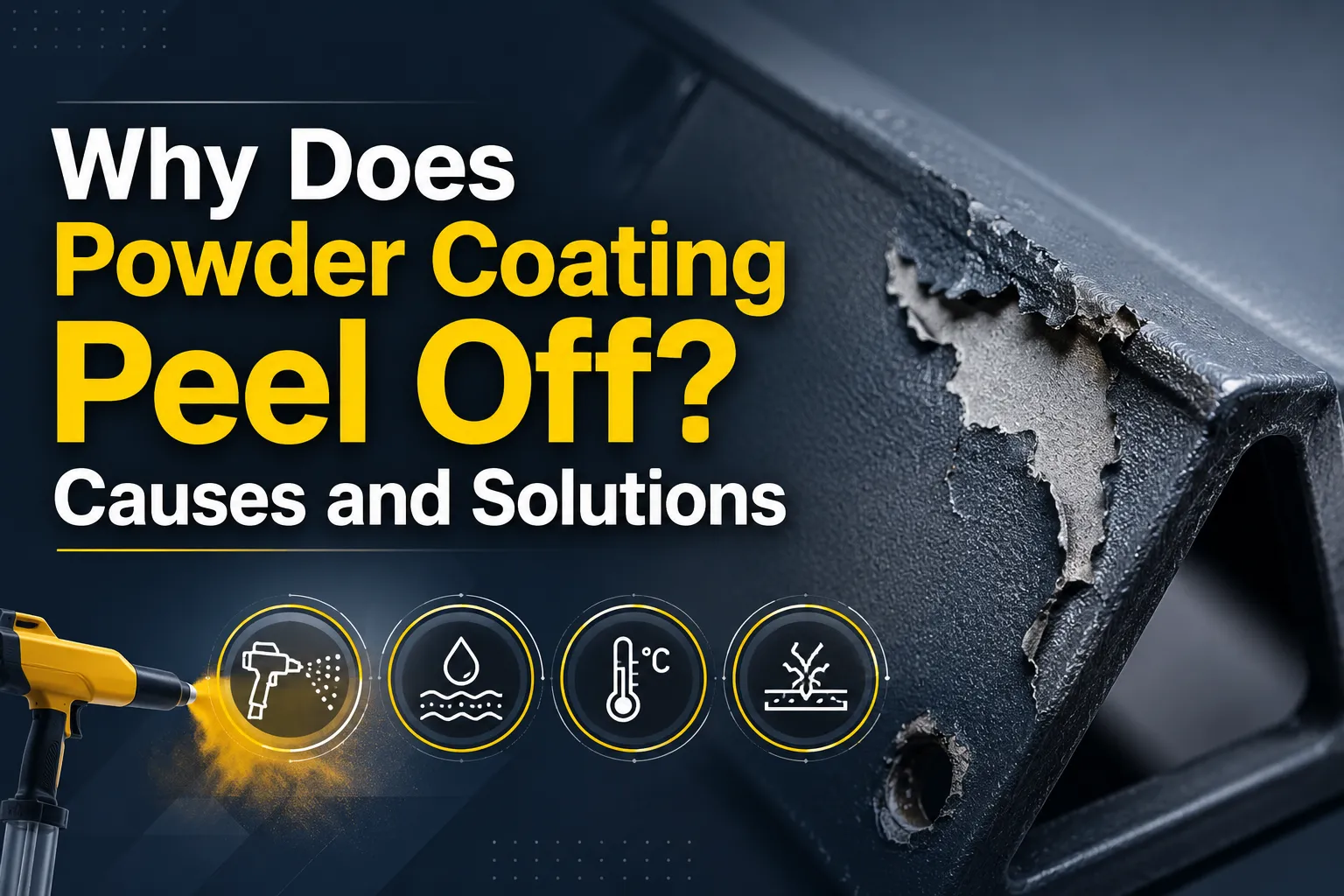
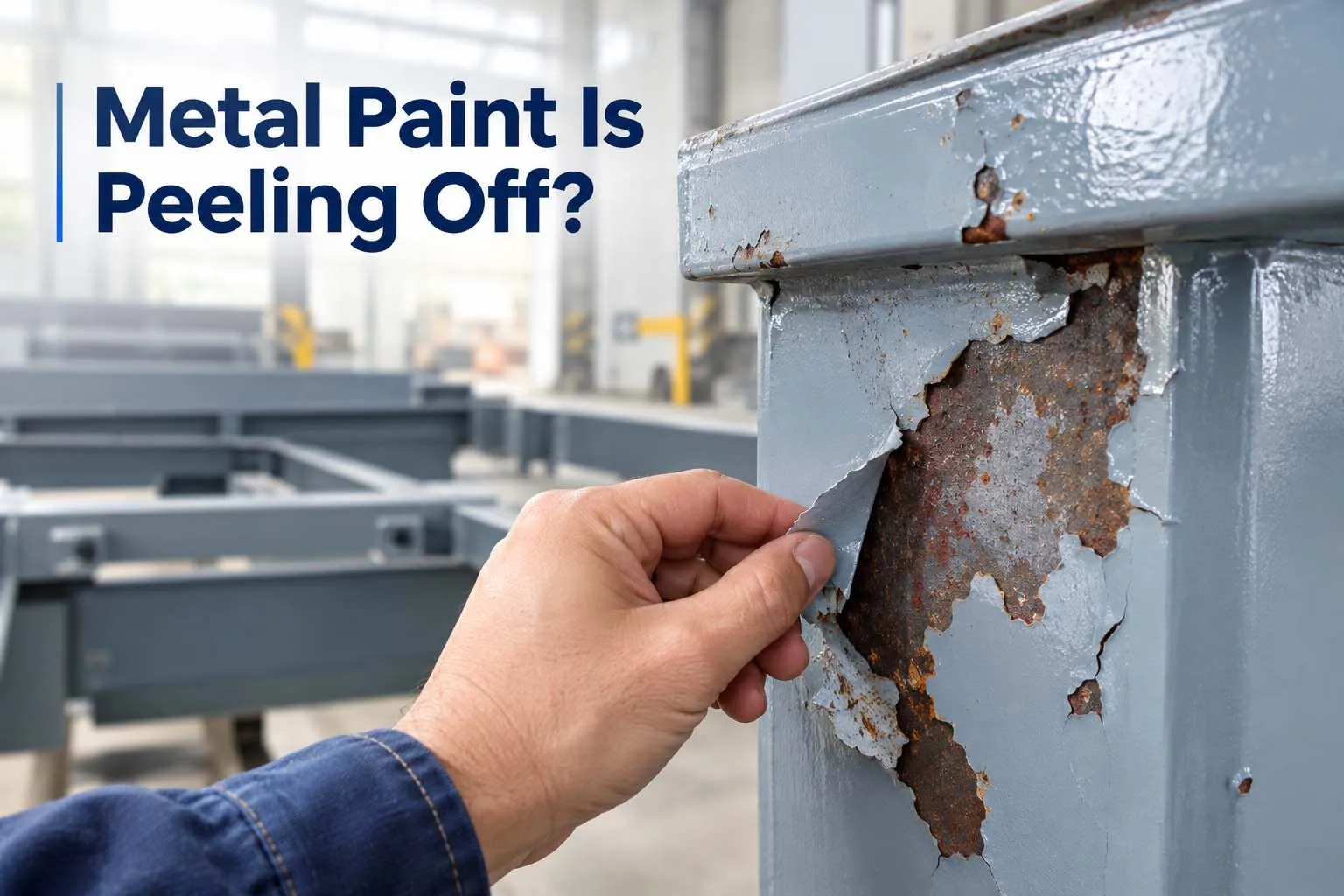
Poor surface preparation can lead to problems such as:
- Peeling
- Blistering
- Flaking
- Bubbling
- Uneven coating
Preparing the surface beforehand helps minimize these issues.
4. Improves Coating Durability
When paint adheres correctly, it provides better protection against moisture, corrosion, chemicals, and everyday wear, increasing the product's service life. The overall durability of a coating also depends on several paint quality factors, including application conditions and proper curing.
5. Reduces Rework and Production Costs
Proper preparation reduces paint failures and minimizes the need for repainting or repairs, helping manufacturers save both time and production costs.
Common Surface Preparation Steps
Most industrial painting processes include the following steps:
- Cleaning dirt, oil, and grease
- Removing rust or old coatings
- Sanding or abrasive blasting
- Repairing surface imperfections
- Applying a suitable primer
After these steps are completed, the components are ready for the painting process. This preparation allows manufacturers to achieve a durable final finish with better coating performance and appearance. Many manufacturers use a Liquid Painting Plant to apply paint uniformly and achieve a consistent, high-quality finish. Depending on the application, manufacturers may also combine painting with different finishing processes to achieve the required level of protection and appearance.
Final Thoughts
Surface preparation is the foundation of every successful painting process. Proper preparation not only improves coating performance but also enhances product appearance, helping manufacturers deliver products that meet both quality and customer expectations. By investing time in proper cleaning, smoothing, and priming, manufacturers can improve paint quality, reduce defects, and produce durable products with a professional finish.
















Sign in to leave a comment.