

In recent years, telehealth wound care has emerged as a game-changer for patients who require consistent, expert attention but cannot always visit a clinic. With advancements in digital health platforms, individuals can now receive wound evaluations, treatment plans, and follow-up care from certified wound specialists — all from the comfort of their homes.
This modern approach is particularly valuable for those managing chronic or complex wounds, where timely intervention can mean the difference between slow healing and long-term complications.
What is Telehealth Wound Care?
Telehealth wound care (also called virtual wound care or online wound consultation) uses video calls, secure messaging, and photo sharing to connect patients with wound care professionals. Specialists can remotely evaluate wounds, provide dressing change guidance, prescribe medication, and monitor healing progress.
Platforms like Wound Guide make it possible for patients to receive expert care without traveling — which is especially beneficial for elderly, disabled, or rural patients.
Types of Wounds That Benefit from Telehealth
While some wounds require in-person treatment, many can be effectively monitored and managed through telehealth consultations:
1. Arterial Ulcers
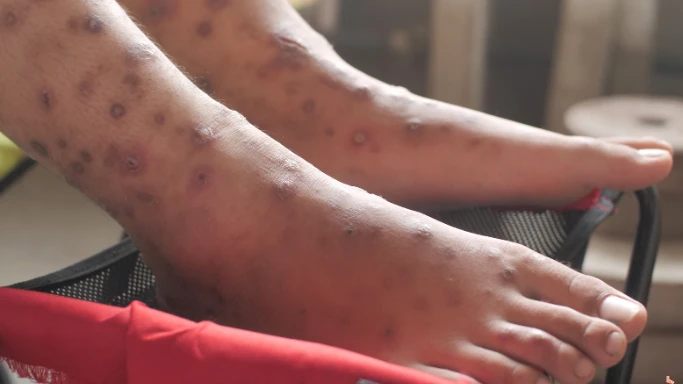
These wounds occur due to poor blood circulation and often appear on the lower legs or feet. Telehealth providers can assess wound appearance, guide compression therapy, and recommend vascular evaluations if necessary.
Know More: Arterial Ulcers: Causes, Symptoms, and Treatment Options
2. Chronic Non-Healing Wounds
Wounds that don’t heal within 4–6 weeks can be managed through virtual monitoring, where specialists adjust treatment plans and ensure proper at-home wound care techniques.
Know More: Chronic Non-Healing Wounds: Causes, Symptoms, and Treatment Options
3. Diabetic Foot Ulcers
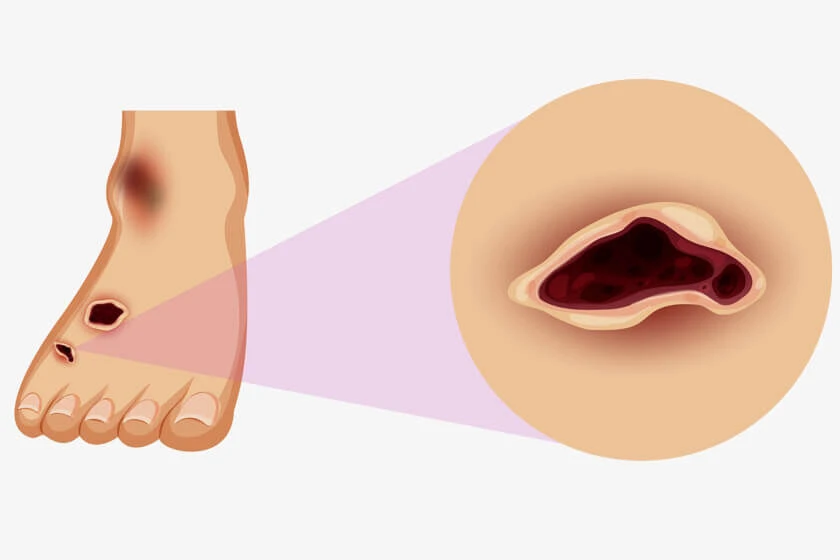
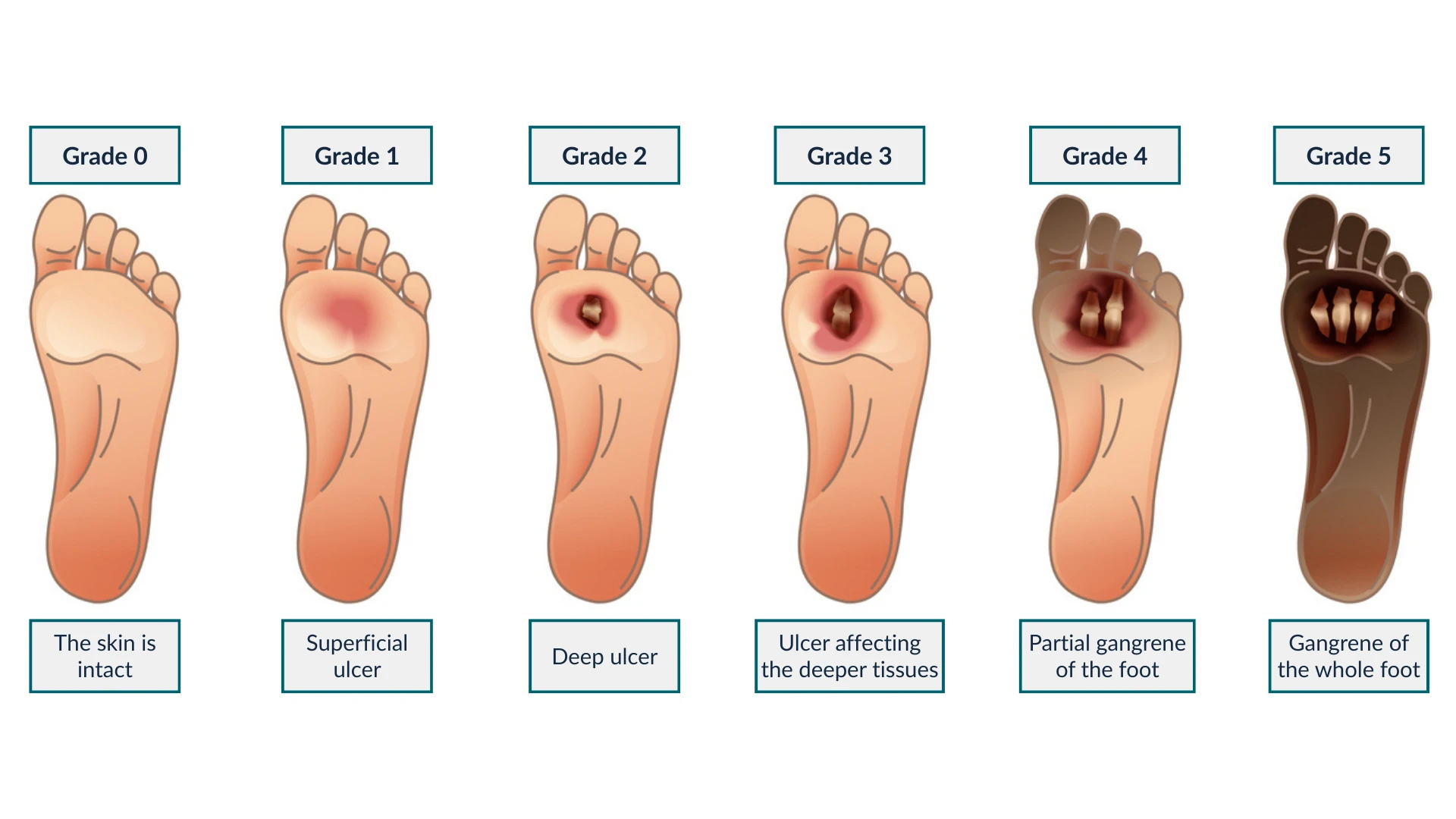
Diabetes-related wounds need regular check-ups to prevent infection or amputation. With telehealth, patients can send wound images, receive dressing instructions, and track healing progress.
Also Read: Stages of Diabetic Foot Ulcers
4. Infectious Wounds
Early detection of infection (redness, odor, discharge) is crucial. Telehealth allows patients to consult professionals quickly and get antibiotic prescriptions or referrals for advanced care.
Know More: How to Clean an Infected Wound at Home?
5. Venous Leg Ulcers
These are caused by poor vein circulation and often require long-term care. Virtual consultations can help monitor swelling, recommend compression therapies, and prevent complications.
Also Read: Arterial vs. Venous Ulcers
6. Pediatric Wounds
Children with cuts, burns, or post-surgical wounds often benefit from remote care since it reduces hospital visits and stress for both kids and parents.
Know More: Understanding Pediatric Wounds: Types, Causes, and Treatments
7. Pressure Ulcers (Bedsores)
Common in bedridden patients, these wounds need ongoing monitoring. Telehealth specialists can guide caregivers on repositioning techniques, proper dressings, and infection prevention.
Also Read: Stages of Pressure Ulcers
Why Choose Telehealth for Wound Care?
- Convenience & Accessibility: No need for long clinic visits.
- Cost-Effective: Saves travel and hospital costs.
- Fast Response: Quick expert advice for early intervention.
- Continuous Monitoring: Regular updates prevent complications.
While telehealth is excellent for mild to moderate wounds, severe or infected wounds may still require in-person wound care for advanced treatments like debridement or surgical intervention. For indepth detail, read Telehealth vs In-Person Wound Care
The Future of Healing
Telehealth wound care is not just a temporary trend — it’s a transformative approach that combines technology with expert medical guidance. For patients dealing with diabetic foot ulcers, venous ulcers, or chronic wounds, telemedicine can significantly reduce healing time and improve overall outcomes.
Ready to Heal Faster?
Book your online wound consultation with WoundGuide and get expert care at your fingertips.































Sign in to leave a comment.