

Leg ulcers are a common yet often misunderstood health issue. Many people suffer from these painful sores on their legs without fully understanding what causes them or how to manage them. Today, we’ll explore the three common types of leg ulcers: venous leg ulcers, arterial ulcers, and diabetic leg ulcers. This article will help you identify the different types, understand their causes, and know how to treat them effectively.
What Are Leg Ulcers?
Leg ulcers are open sores that can appear on the skin, often on the lower legs or feet. They usually develop due to poor blood circulation, infections, or underlying health conditions. These ulcers can be painful, difficult to heal, and require specific treatment depending on their type.
In general, leg ulcers are categorized into three main types, each with its own set of causes, symptoms, and treatment methods. Let’s dive deeper into these.
1. Venous Leg Ulcers
What are Venous Leg Ulcers?
Venous leg ulcers are the most common type of leg ulcer, and they usually occur when veins in the legs fail to efficiently return blood to the heart. This condition is known as chronic venous insufficiency. When blood pools in the veins, it causes increased pressure in the veins, leading to skin breakdown and the formation of an ulcer.
Symptoms of Venous Leg Ulcers
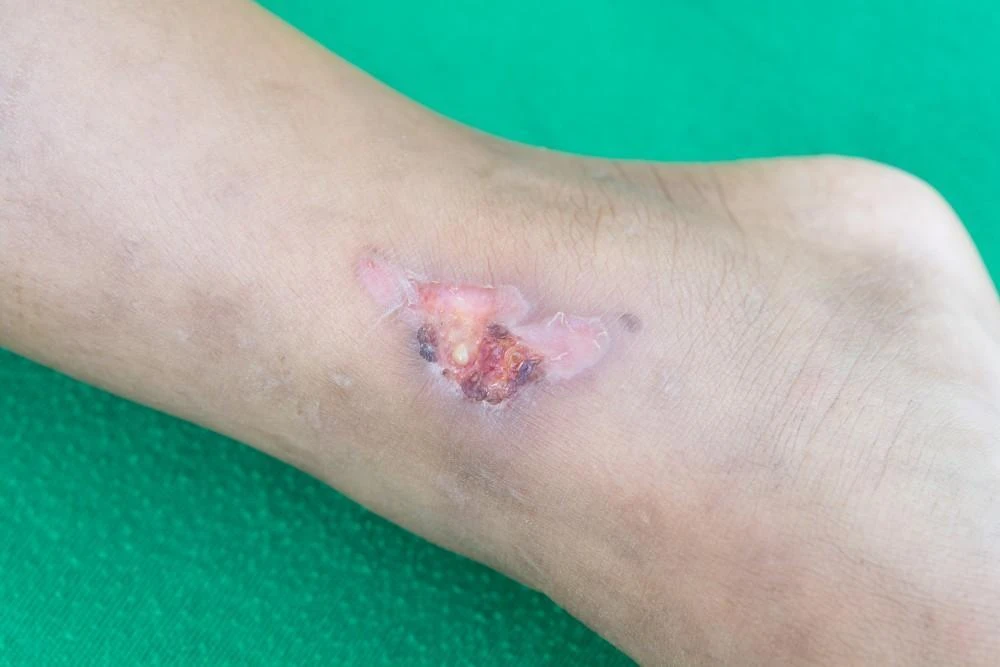
People with venous ulcers often experience swelling, varicose veins, and skin discolouration before the ulcer appears. The ulcer itself may appear as a shallow, irregularly shaped wound, often around the ankle area.
Treatment for Venous Leg Ulcers
For venous leg ulcer treatment, compression therapy is usually the first line of treatment. This involves wearing special compression bandages or stockings that help improve blood circulation. In some cases, a venous ulcer wound dressing is used to protect the ulcer and promote healing.
If you notice any early symptoms, it’s important to get checked out early to avoid complications and infections. Proper care and dressing are key to managing the wound.
2. Arterial Ulcers: Causes and Symptoms
What are Arterial Ulcers?
Arterial ulcers are caused by poor circulation in the arteries, often due to atherosclerosis (plaque buildup in the arteries) or peripheral artery disease (PAD). When blood flow to the legs and feet is reduced, the skin becomes deprived of oxygen and nutrients, causing ulcers to form.
Arterial Ulcer vs Venous Ulcer
While both venous and arterial ulcers can be painful, there is a distinct difference between the two. Arterial ulcers tend to be smaller and deeper than venous ulcers. They often appear on the toes, feet, or shins, and they have a very defined border. Venous ulcers, on the other hand, are usually larger and shallower, often appearing near the ankle.
Are Arterial Ulcers Painful?
Yes, arterial ulcers can be extremely painful, especially when the legs are elevated. The lack of blood flow and oxygen makes healing slow and difficult. It’s important to seek early stage treatment for arterial ulcers to prevent further complications.
Treatment for Arterial Ulcers
Treatment for arterial ulcers often involves improving circulation. This may include lifestyle changes, medications, and sometimes surgical interventions. For pain relief, doctors may recommend pain management strategies in addition to wound care.
3. Diabetic Leg Ulcers
What are Diabetic Leg Ulcers?
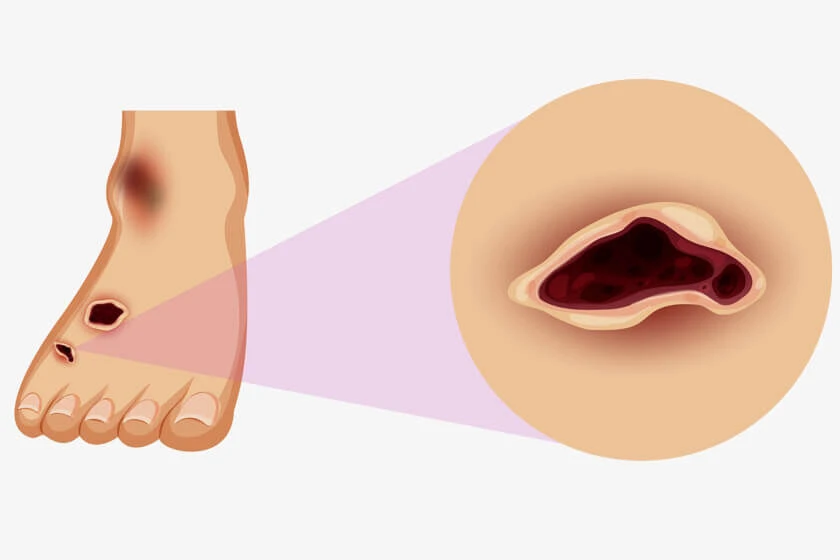
Diabetic foot ulcers are common in people with diabetes, especially those who have difficulty controlling their blood sugar levels. High blood sugar can damage nerves and blood vessels, leading to poor circulation and nerve loss. As a result, injuries go unnoticed, and ulcers can develop.
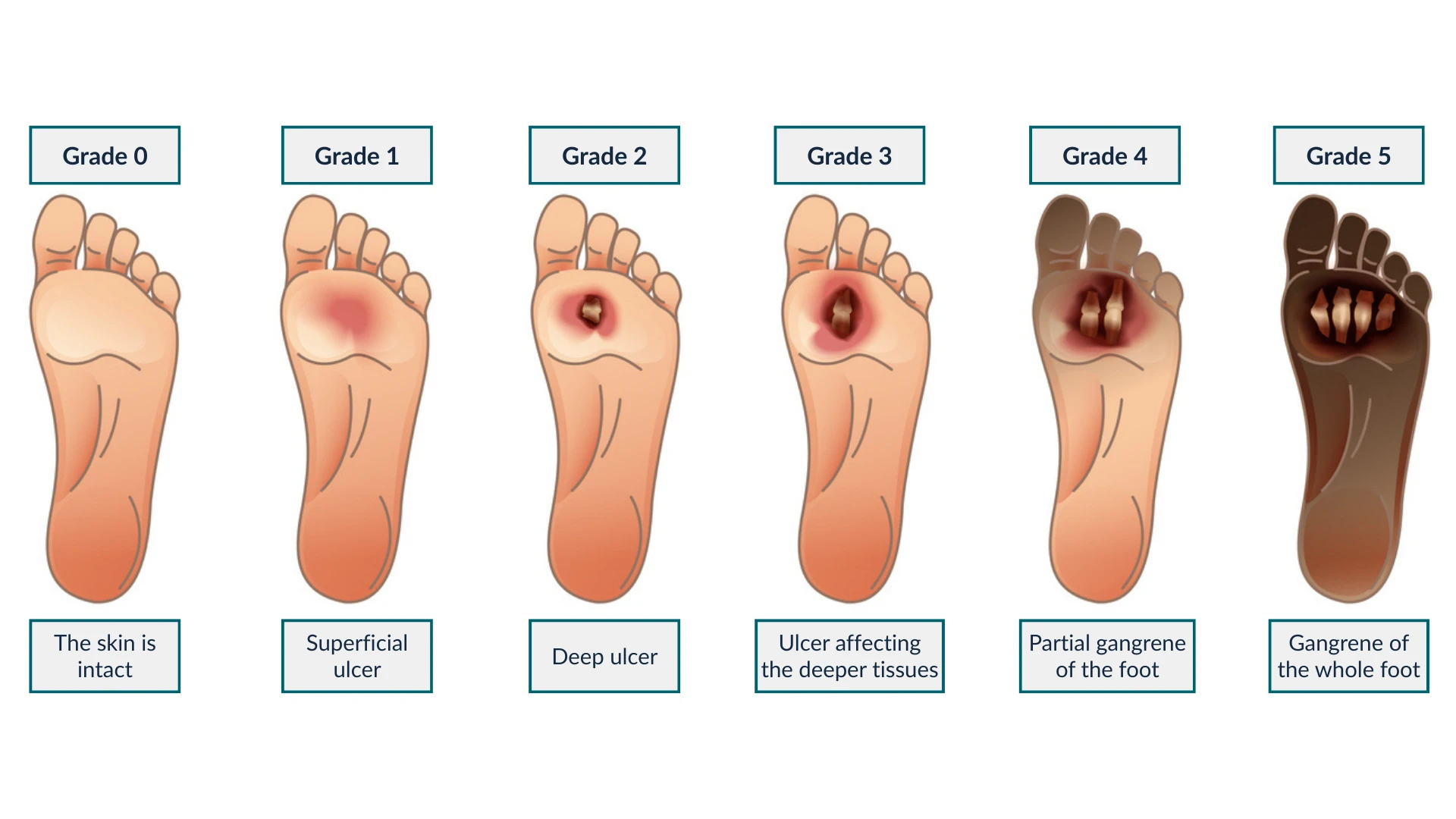
Early Stage Diabetic Foot Ulcer vs Stage 4
In the early stage of diabetic foot ulcers, the wound is often small and superficial. It may appear on the sole or toe of the foot. If untreated, these ulcers can progress to more severe stages. Stage 4 diabetic foot ulcers are deep and can involve the bone. These advanced ulcers may require surgery and lead to serious complications like infections.
Causes of Diabetic Foot Ulcers
Causes of diabetic foot ulcers include high blood sugar levels, poor circulation, and nerve damage. People with diabetes are also at a higher risk of infections, which can worsen the condition.
Treatment for Diabetic Leg Ulcers
The treatment for diabetic leg ulcers depends on the ulcer’s severity. Early-stage diabetic foot ulcers can often be treated with proper wound care, regular monitoring, and pressure relief. In advanced stages, the treatment plan may include antibiotics for infection, surgery, and close management of blood sugar levels.
Prevention and Key Takeaways
While leg ulcers can be challenging to treat, prevention is always the best approach. Here are a few ways to reduce your risk:
- Maintain proper circulation: If you have diabetes or venous disease, make sure to keep your blood sugar under control and consider wearing compression stockings to help with circulation.
- Care for your feet: Especially for those with diabetes, regular foot inspections and good hygiene are essential.
- Healthy lifestyle choices: Maintain a healthy weight, exercise regularly, and avoid smoking to reduce the risk of ulcers.
Also Read: Ultimate Guide to Identifying and Treating Chronic Wounds
Conclusion
Understanding the common types of leg ulcers, including venous leg ulcers, arterial ulcers, and diabetic ulcers, is key to managing and preventing them. With the right treatment and care, most ulcers can heal, and complications can be avoided. If you notice any early signs of a leg ulcer, seek medical advice immediately.
FAQs
1. What are venous leg ulcers?
Venous leg ulcers are open sores that occur due to poor blood flow in the veins of the legs, leading to increased pressure and skin breakdown.
2. What is the difference between arterial ulcers and venous ulcers?
Arterial ulcers are deeper and smaller, typically found on the feet or toes, while venous ulcers are larger and shallower, usually found around the ankles.
3. How can I treat a venous leg ulcer at home?
Treatment includes compression therapy, using venous ulcer wound dressing, and proper wound care. Always consult a healthcare professional for proper guidance.
4. Are arterial ulcers painful?
Yes, arterial ulcers are typically very painful, especially when the leg is elevated, due to poor blood circulation.
5. What causes diabetic foot ulcers?
Diabetic foot ulcers are caused by poor blood circulation, nerve damage, and high blood sugar, which can lead to unnoticed injuries and infections.
6. How do I prevent diabetic foot ulcers from getting worse?
Control your blood sugar, inspect your feet regularly, and use proper foot care methods. For advanced ulcers, follow your doctor’s guidance closely.































Sign in to leave a comment.