
Across Australia, homeowners deal with a wide range of issues, unpredictable weather, rising building costs, and maintenance challenges. But one threat continues to fly under the radar despite causing more structural damage each year than storms, fires, and floods combined: termites.
These tiny insects often remain invisible until the damage has already been done. And because they work quietly behind walls, floors, and foundations, many homeowners don’t realise they have a problem until it becomes a financial nightmare.
Whether you live in Greater Brisbane, the Sunshine Coast, or any region with warm, humid conditions, understanding termite behaviour is essential to protecting your property. This guest post breaks down why termites are such a significant threat, the warning signs to watch for, and the proactive steps every homeowner should take before it’s too late.
Why Termites Are More Dangerous Than Most Homeowners Realise
When people think of pests, they imagine pests that are easy to spot — cockroaches scurrying across the kitchen, ants trailing along benches, or spiders appearing in corners. Termites, however, are different.
They work out of sight, often inside timber structures, and can feed on a home 24 hours a day. A single termite colony can contain hundreds of thousands of insects, and in optimal conditions, they can cause significant damage in just a matter of months.
Termites prefer:
Moist soil
Damp or weakened timber
Warm, shaded areas around foundations
Subfloor spaces with minimal ventilation
These exact conditions are extremely common in Queensland properties, especially after long periods of rain or humidity.
Common Termite Species in Australia
Australia is home to more than 300 termite species, but only a handful cause problems for homeowners. The most destructive include:
1. Coptotermes acinaciformis
Known for aggressive feeding habits, this species is responsible for the majority of termite damage in Queensland.
2. Nasutitermes walkeri
Commonly found in gardens, retaining walls, and wooden structures surrounding homes.
3. Schedorhinotermes intermedius
Often found in stumps, fences, decks, and older homes, this species prefers damp, shaded areas.
Understanding which species are common in your region helps homeowners and pest professionals decide the best prevention and treatment approach.
Early Warning Signs of Termite Activity
One of the biggest challenges with termites is that they cause damage long before most people notice a problem. However, there are early clues that something may be wrong:
1. Hollow-sounding timber
Tap on floors, walls, or skirting boards. If they sound unusually hollow, termites may be inside.
2. Mud tubes on walls or foundations
Termites build protective tunnels to move safely between soil and timber structures.
3. Peeling or blistering paint
This can resemble water damage but may actually be caused by termites feeding beneath the surface.
4. Discarded wings
During the warmer months, flying termites (swarmers) shed their wings near windows or entry points.
5. Tight-fitting doors or windows
Termite damage can warp timber, making doors and windows difficult to open.
If a homeowner notices any of these symptoms, a professional inspection should be arranged immediately.
Why DIY Termite Control Rarely Works
A quick search online reveals countless DIY termite control products, sprays, baits, powders, ultrasonic devices. While these might seem convenient, they rarely solve the problem.
Here’s why:
1. Termites live deep inside structures
Surface treatments don’t reach the heart of the colony.
2. Colonies may be located metres away
Termites often travel through underground tunnels, making it impossible for DIY solutions to eliminate the nest.
3. Incorrect treatment can cause colonies to split
A disturbed colony may “bud off” into multiple new colonies, making the infestation worse.
4. Products may mask symptoms but not fix the root cause
This gives homeowners a false sense of security while damage continues.
The only effective termite treatment is one implemented by trained professionals using specialised equipment.
The Importance of Regular Termite Inspections
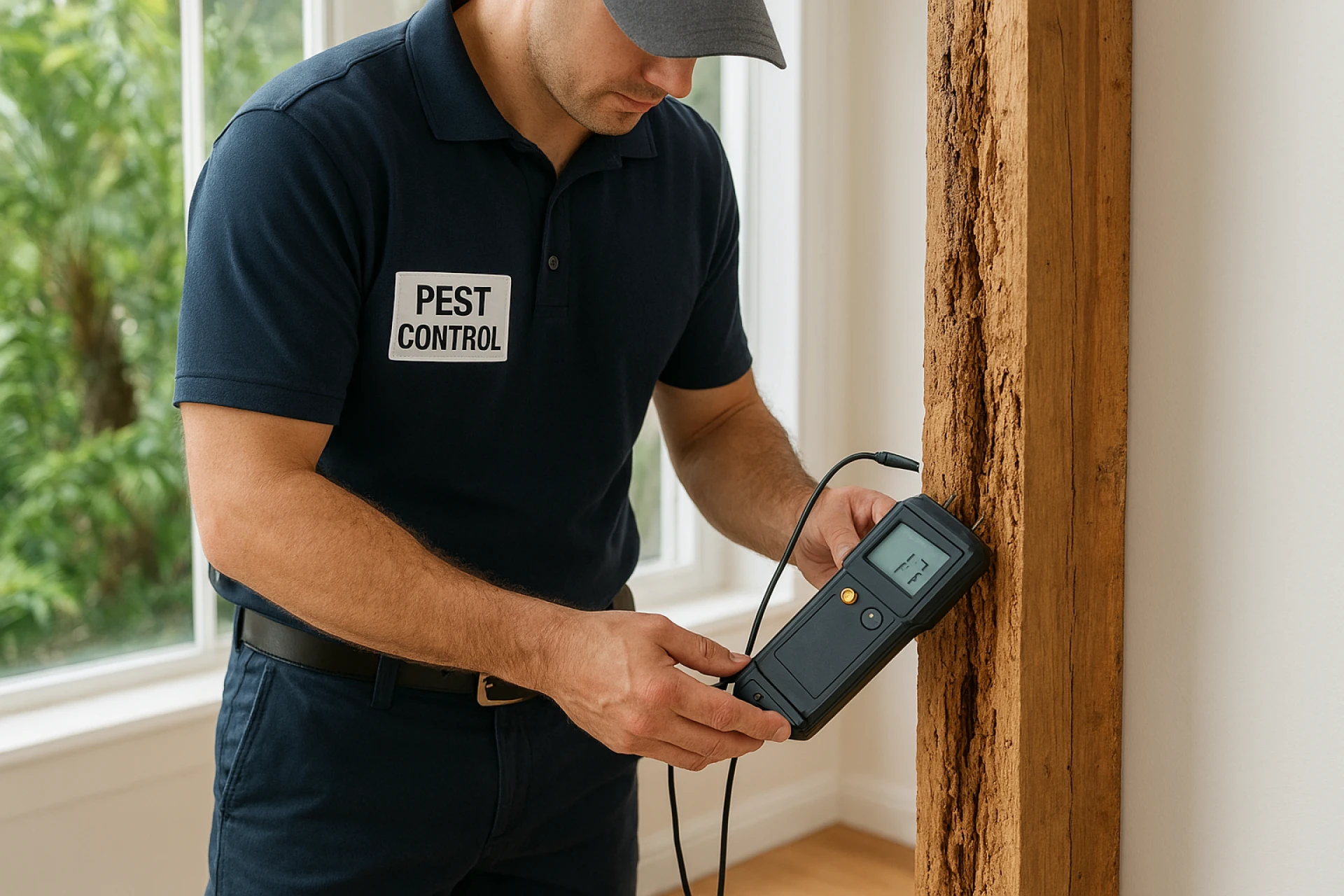
Professional termite inspections are the most effective way to detect activity early. A licensed technician uses tools like moisture meters, thermal imaging, and sounding equipment to check areas the average homeowner cannot access.
In regions like Brisbane and the Sunshine Coast, where termite pressure is consistently high, most experts recommend an annual inspection, sometimes more frequently for high-risk homes.
A thorough inspection includes:
Roof void examination
Subfloor inspection
External perimeter check
Internal timber assessments
Moisture detection
Identification of conducive conditions
Annual inspections not only prevent damage but also ensure that any protective measures, such as chemical barriers or baiting systems, remain effective.
How Termite Treatments Work
Professional termite treatments typically fall into three categories:
1. Chemical Barriers
A treated zone is installed around the home’s foundation, creating a protective barrier termites cannot cross.
2. Termite Baiting Systems
Placed strategically around the property, these stations attract termites and eliminate the colony over time.
3. Direct Treatment (Foam and Dust Applications)
Used for live infestations, these products are injected into active termite workings.
The right solution depends on factors such as construction type, soil conditions, and the severity of the infestation.
Preventative Steps Every Homeowner Should Take
In addition to professional treatments, homeowners can take simple steps to reduce the likelihood of termites targeting their property:
Fix leaking pipes, gutters, and drains
Keep garden beds and mulch away from the home’s foundation
Improve ventilation in subfloor areas
Remove dead timber, firewood piles, and old tree stumps
Ensure proper drainage around the property
Avoid storing timber directly on soil
These preventative measures help reduce moisture and environmental conditions termites depend on.
Why Local Expertise Makes a Difference
While termites are a nationwide issue, the species, climate, and building materials vary greatly from one region to another. Homeowners in Greater Brisbane and on the Sunshine Coast face specific challenges related to humidity, heavy rain, and older timber construction.
This is why partnering with a local termite expert makes a huge difference. A local technician understands:
Seasonal termite activity patterns
High-risk suburbs and soil types
Local construction styles and vulnerabilities
The right treatment options for Queensland conditions
Local knowledge can often be the key factor that protects a home before termites have the chance to cause severe damage.
Final Thoughts
Termites may be small, but the damage they cause is anything but. With proper awareness, early detection, and consistent professional support, homeowners can protect their biggest investment for years to come.
Whether you're in Greater Brisbane, the Sunshine Coast, or anywhere in between, now is the time to take proactive steps before termites decide your home is their next meal.


























Sign in to leave a comment.