
Intro: A Cute Mistake That Can Cost You Hundreds
Australia is home to some of the world’s most approachable wildlife—at least, that’s how it looks on Instagram. Every year, millions of visitors head to coastal wildlife areas, especially in Victoria, hoping for close encounters. And penguins? They look harmless. Friendly, even.
But here’s the surprising part: touching a penguin in Australia can lead to serious fines, and many travellers don’t realise this until it’s too late. Think of it like this—what feels like an innocent moment can actually be considered wildlife interference under Australian law.
So why is the rule so strict? And how can visitors enjoy penguins without accidentally breaking it?
Why Is Touching Penguins Illegal in Australia?
This question comes up constantly, especially from first-time visitors.
Penguins in Australia are protected native wildlife. Laws are designed to reduce stress, prevent injury, and protect breeding behaviours. Even light contact—like a gentle pat—can:
- Disrupt natural movement patterns
- Transfer bacteria from humans to animals
- Cause penguins to abandon nests
Interestingly, research from wildlife authorities shows that human contact is one of the biggest stress triggers for little penguins, particularly during breeding season.
So the rule isn’t about being unfriendly. It’s about survival.
How Much Can You Actually Be Fined?
This is where people really pause.
Penalties vary by state, but in Victoria, fines can reach several hundred dollars for disturbing protected wildlife. In serious cases, higher penalties can apply, especially if behaviour is repeated or causes harm.
An easy way to think about it:
If you wouldn’t touch a wild kangaroo or koala, the same rule applies to penguins—even if they’re walking right past you.
Where Do Visitors Most Often Break This Rule?
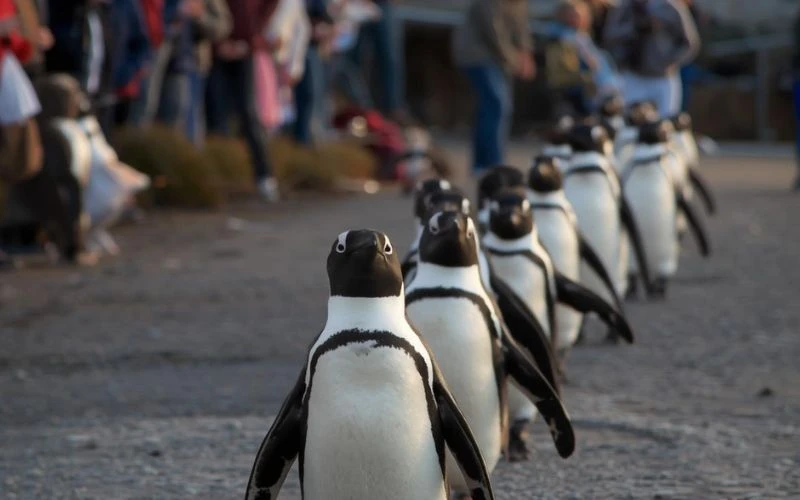
Most incidents don’t happen because people are careless. They happen because penguins come very close to humans.
Common mistake zones include:
- Coastal boardwalks
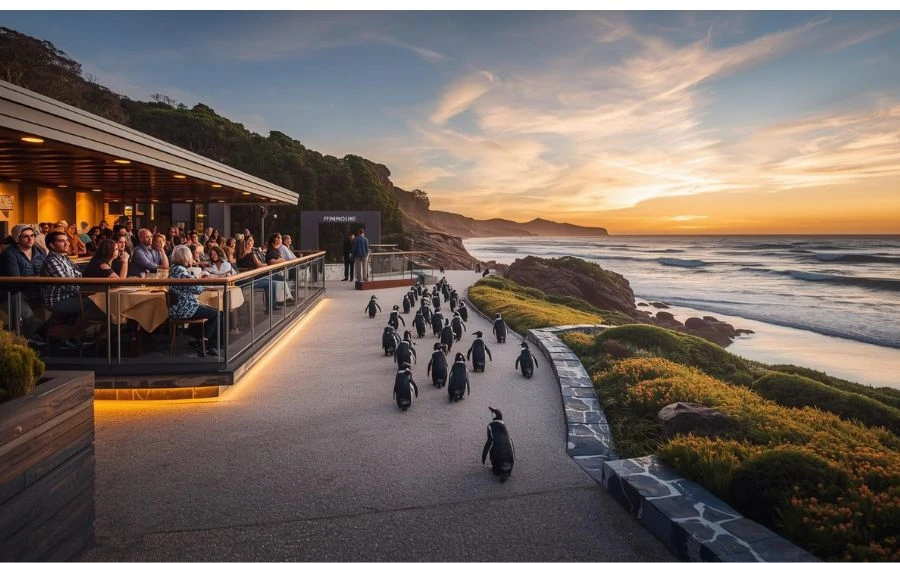
- Viewing areas at dusk
- Narrow paths where penguins cross
This is why guided experiences, like a Phillip Island day tour, emphasise behaviour briefings before wildlife viewing begins. Visitors are told exactly where to stand, when to move, and—most importantly—what not to do.
Does a Guided Tour Actually Help You Avoid Fines?
Short answer: yes.
On guided or private experiences, instructions are clear and reinforced throughout the evening. A Phillip Island private tour typically includes:
- Clear wildlife rules explained upfront
- Controlled viewing distances
- Guides who intervene early if behaviour crosses a line
Meanwhile, self-guided visitors are more likely to rely on assumptions—and assumptions are where mistakes happen.
Think of guided tours as guardrails. You still enjoy the view, but you’re far less likely to step into trouble.
What Should You Do If a Penguin Walks Right Past You?
This is the moment people panic.
Step-by-step:
- Stay completely still
- Keep your hands by your sides
- Avoid flash photography
- Let the penguin choose its path
Penguins are excellent navigators. They don’t need help—and helping can actually cause harm.
Why One Small Touch Can Have Bigger Consequences Than You Expect
Here’s the part most travellers don’t consider.
When one person touches a penguin:
- Others copy the behaviour
- Wildlife becomes desensitised
- Rangers must increase restrictions
Over time, this leads to fewer viewing opportunities for everyone. In other words, today’s small mistake becomes tomorrow’s closed access.
Is It Still Worth Seeing Penguins If You Can’t Touch Them?
Absolutely. In fact, most visitors say the experience feels more special because it’s natural.
Watching penguins waddle back to their burrows, interact with each other, and ignore humans entirely—that’s the real magic. No selfie can beat that.
Final Takeaway: A Simple Wildlife-Safe Checklist
Before visiting penguin areas, remember:
- Look, don’t touch
- Follow the ranger or guide's instructions
- Keep phones and hands controlled
- Choose guided options if unsure
- Respect distance, especially at dusk
If you follow these basics, you’ll not only avoid fines—you’ll help protect one of Australia’s most loved species.
Sometimes the best way to connect with wildlife…
is to let it be wild.



















Sign in to leave a comment.