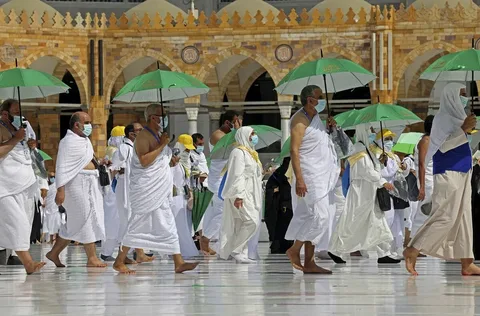

Ramadan is one of the most spiritually powerful times to perform Umrah. The reward of worship multiplies, the atmosphere in Makkah and Madinah feels extraordinary, and millions of Muslims travel with the same intention — to seek closeness to Allah. However, along with the blessings comes one common challenge many pilgrims face: transport delays.
From airport pickups to hotel transfers and travel between cities, delays during Ramadan Umrah are more common than expected. Understanding why they happen can help pilgrims prepare better and avoid unnecessary stress during their sacred journey.
Massive Increase in Pilgrim Numbers
Ramadan attracts significantly higher numbers of visitors compared to other months. According to the General Authority for Statistics, millions of pilgrims visit the Kingdom during peak Ramadan days, especially in the last ten nights.
With such a surge in travelers, airports in Jeddah and Madinah operate beyond regular capacity. Immigration queues lengthen, baggage handling slows down, and transport operators struggle to keep up with constant arrivals. Even pre-booked transport services can face unavoidable waiting times simply due to congestion.
Pilgrims who book well-organized umrah packages often experience better coordination, but even then, external factors such as traffic control and crowd management policies can impact schedules.
Traffic Congestion Around the Haram
The areas surrounding Masjid al-Haram and Masjid an-Nabawi become extremely crowded during Ramadan. The Saudi authorities often implement temporary road closures, rerouting systems, and restricted access points to control crowd flow.
This is especially noticeable in:
- The last ten nights of Ramadan
- Fridays during Ramadan
- The 27th night (widely believed to be Laylat al-Qadr)
Transport vehicles may be required to drop pilgrims at designated points far from hotels, leading to longer walking distances and perceived delays.
The Saudi Ministry of Hajj and Umrah regularly announces updated transport guidelines during Ramadan, but these changes can happen quickly to manage safety.
Peak Airport Operations and Flight Schedules
Another major reason behind transport delays is tightly packed flight scheduling. Airlines increase the number of flights to handle Ramadan demand, but airport infrastructure has limitations.
Delays commonly occur due to:
- Late flight arrivals
- Overcrowded arrival halls
- Delayed luggage unloading
- Limited shuttle bus availability
When flights land simultaneously, transport providers must wait for complete group arrivals before departure, which adds further waiting time.
Hotel Location and Accessibility Issues
Not all hotels are equally accessible during Ramadan. Some accommodations near the Haram are located in zones where vehicles are temporarily restricted during peak prayer times.
Drivers may need special permits or face long detours to reach certain hotels. In many cases, pilgrims are dropped at checkpoints and guided on foot.
This becomes more noticeable for travelers who choose budget-friendly options located slightly further from central zones. While affordable umrah packages make the journey accessible for many families, transportation logistics can become more complicated depending on the hotel location.
Group Travel Coordination Delays
Ramadan Umrah sees a rise in group travel, particularly from countries like the UK, Pakistan, Indonesia, and Turkey. Managing large groups requires coordination.
Transport delays may occur because:
- Some group members are late at meeting points
- Elderly pilgrims require additional assistance
- Wheelchair arrangements take extra time
- Baggage distribution slows departure
Even a 10–15 minute delay per group can create a domino effect during peak hours.
Security and Crowd Control Measures
Saudi authorities prioritize safety during Ramadan. Enhanced security checks, vehicle inspections, and regulated access to certain zones are common.
These measures, while essential, contribute to transport slowdowns. Checkpoints may temporarily stop vehicles during high-traffic prayer times to prevent overcrowding.
Additionally, emergency response vehicles and VIP movement protocols may result in temporary road closures.
Weather Conditions
Ramadan often falls during warmer months. High temperatures can affect vehicle performance, especially buses operating continuously throughout the day.
In some cases:
- Vehicles overheat
- Drivers require regulated rest breaks
- Air-conditioning systems struggle in extreme heat
These operational challenges can contribute to minor schedule disruptions.
Infrastructure Expansion Projects
Saudi Arabia continuously upgrades infrastructure in Makkah and Madinah to accommodate growing pilgrim numbers. Construction projects, road expansions, and hotel developments sometimes lead to rerouted traffic or temporary roadblocks.
While these improvements benefit pilgrims long-term, short-term disruptions during Ramadan are common.
Unrealistic Expectations
Sometimes, what feels like a major delay is simply a matter of expectation. During Ramadan, patience becomes part of the spiritual journey. Comparing transport timings to regular tourism standards may lead to frustration.
Pilgrims who expect instant transfers in the busiest religious month of the year may feel disappointed. However, understanding the scale of operations during Ramadan helps set realistic expectations.
How to Minimize Transport Stress During Ramadan Umrah
Although delays cannot always be avoided, preparation makes a significant difference:
- Book early to secure better hotel locations
- Choose experienced transport providers
- Keep buffer time between activities
- Stay hydrated and carry essentials
- Maintain flexible scheduling
Communication with travel operators before departure can also help clarify meeting points and transport procedures.
A Final Word for Future Pilgrims
Transport delays during Ramadan Umrah are rarely caused by negligence. Most are the result of extraordinary demand, strict safety measures, and the sheer scale of operations required to serve millions of pilgrims.
Patience and preparation go hand in hand during this sacred journey. Choosing a well-structured travel plan through a reliable provider such as Umrah Travel Agency UK can help reduce logistical complications while allowing focus to remain on worship rather than worry.
Ramadan Umrah remains a deeply rewarding experience. Understanding the realities of transport logistics simply ensures the journey is approached with awareness, calmness, and realistic expectations.


























Sign in to leave a comment.