
Introduction: The Lasting Appeal of Vintage Furniture
Imagine walking into a home filled with beautifully crafted wooden tables, elegant chairs with intricate carvings, and sturdy cabinets that have stood the test of time. There’s a certain charm and warmth in vintage furniture that modern, mass-produced pieces often lack. But beyond aesthetics, did you know that choosing vintage furniture is also an environmentally responsible decision?
Incorporating vintage furniture into your home isn’t just about style—it’s about sustainability. By giving old furniture a second life, you reduce waste, lower carbon emissions, and support a more eco-friendly way of living. If you're wondering how vintage furniture plays a role in a greener future, keep reading.
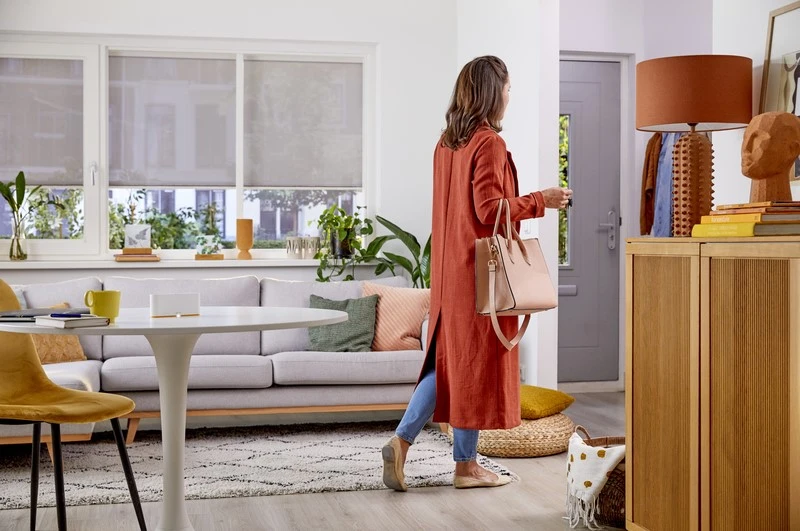
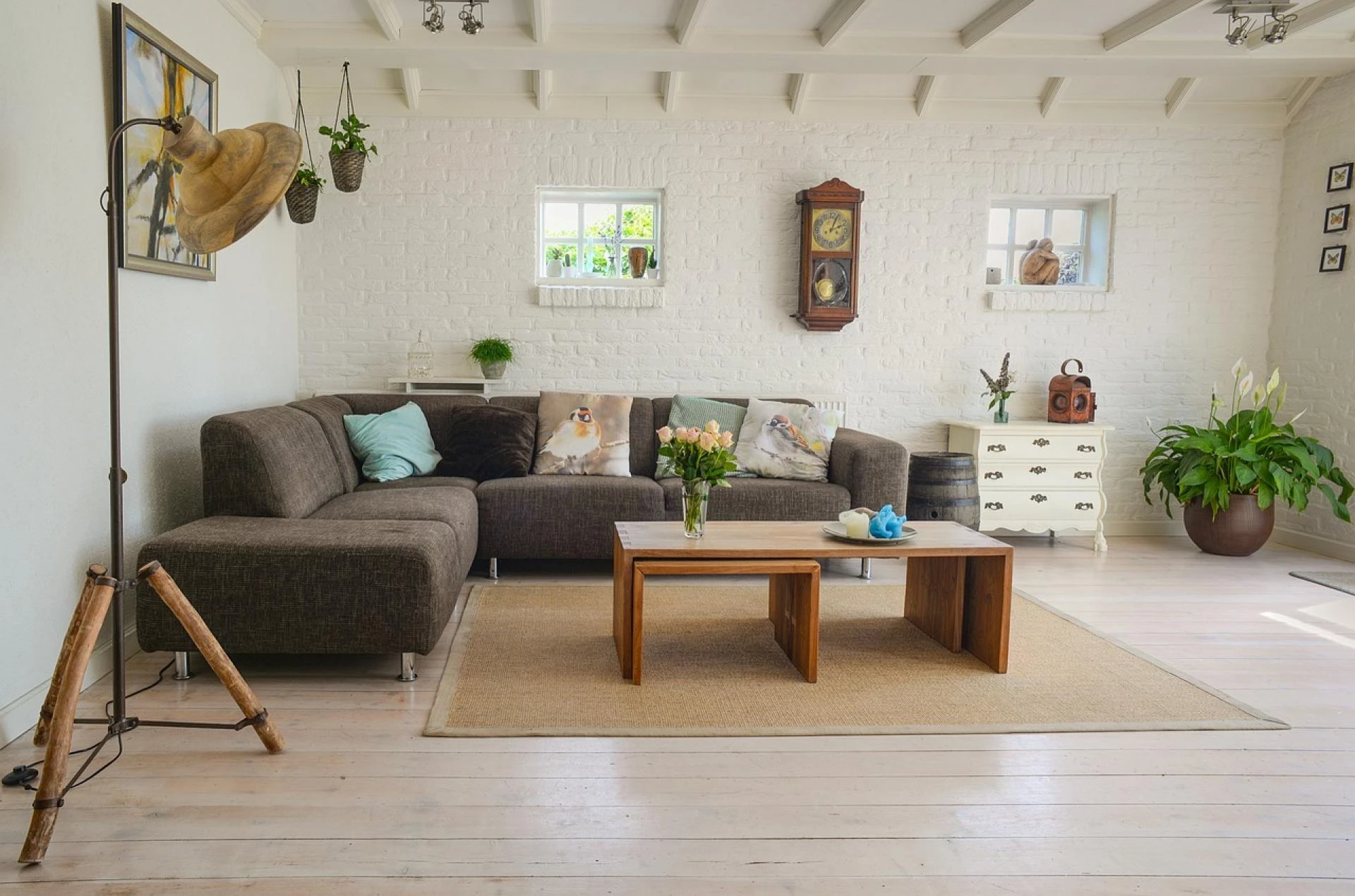
Incorporating vintage furniture into modern home design can be an excellent way to add character to your home while making a positive environmental impact.
What Makes Vintage Furniture Sustainable?
1. Reduces Waste in Landfills
Every year, millions of tons of furniture end up in landfills. Cheap, low-quality furniture made from particleboard and synthetic materials often cannot be repaired or repurposed. On the other hand, vintage furniture is typically built to last and can be refinished, restored, or reused, significantly reducing waste.
2. Lowers Carbon Footprint
The production of new furniture requires raw materials, energy, and transportation. Wood furniture, in particular, contributes to deforestation when sourced irresponsibly. By choosing vintage furniture, you eliminate the need for new manufacturing, cutting down carbon emissions associated with logging, processing, and shipping.
3. Craftsmanship and Durability
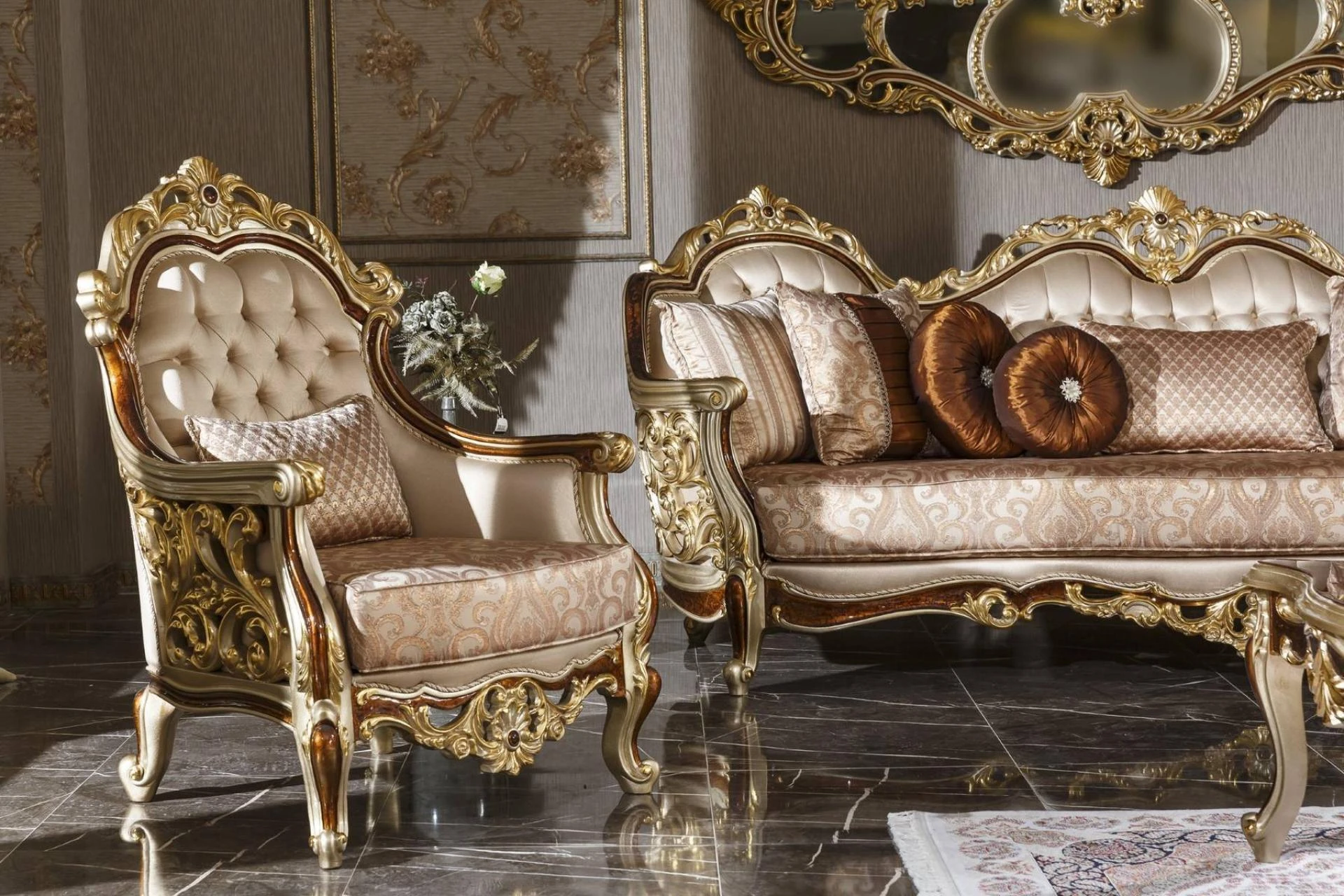
One of the biggest advantages of vintage furniture is its craftsmanship. Unlike mass-produced items, older furniture pieces were often handmade with high-quality materials. Hardwoods like oak, mahogany, and walnut were commonly used, ensuring durability and longevity. When you invest in vintage, you invest in furniture that can last for decades, if not generations.
How Vintage Furniture Supports Sustainable Living
Extending the Lifecycle of Furniture
The concept of sustainability revolves around extending the lifespan of products. When you purchase a vintage dining table, for example, you’re preventing another tree from being cut down to make a new one. Instead of discarding old furniture, restoring or repurposing it helps maintain its value and reduces the demand for new production.
Eliminates Harmful Manufacturing Processes
New furniture production often involves toxic chemicals, including formaldehyde and volatile organic compounds (VOCs), which can negatively impact indoor air quality. Vintage furniture has already off-gassed these chemicals over time, making it a safer choice for your home.
Encourages a Circular Economy
By buying vintage, you participate in a circular economy where goods are reused, repurposed, and kept in circulation for as long as possible. This approach significantly reduces environmental impact compared to the traditional linear economy of producing, using, and discarding.
Where to Find High-Quality Vintage Furniture
If you’re convinced about the sustainability of vintage furniture, the next step is knowing where to find it. Here are some reliable sources:
- Antique Stores & Flea Markets – Great for unique, high-quality finds.
- Online Marketplaces – Websites like eBay, Etsy, and Facebook Marketplace offer a variety of options.
- Estate Sales & Auctions – A good way to find well-maintained pieces at reasonable prices.
- Thrift Stores & Charity Shops – You might find hidden gems at lower prices.
Restoring and Repurposing Vintage Furniture
One of the best things about vintage furniture is that even worn-out pieces can be restored. Here are some simple ways to breathe new life into old furniture:
- Refinishing Wood Surfaces – Sanding and staining can bring back the original beauty of wooden furniture.
- Reupholstering Chairs and Sofas – Swapping out old fabric for new upholstery can completely transform a piece.
- Painting and Distressing – Adding a fresh coat of paint or distressing a piece can give it a modern yet classic appeal.
- Repurposing – Turn an old door into a dining table or a vintage dresser into a bathroom vanity.
Incorporating vintage furniture into modern home design allows you to blend old and new seamlessly, creating a timeless aesthetic.
FAQs About Vintage Furniture and Sustainability
1. Is vintage furniture really more eco-friendly than new furniture?
Yes. Vintage furniture reduces waste, lowers carbon emissions from manufacturing, and supports a circular economy. It also eliminates the need for new raw materials like wood and metal.
2. How do I know if vintage furniture is high quality?
Look for solid wood construction, dovetail joints, and hand-carved details. High-quality vintage furniture is often heavier and shows signs of craftsmanship, such as intricate joinery and sturdy frames.
3. Can I mix vintage furniture with modern decor?
Absolutely! Mixing vintage furniture with modern decor creates a unique and eclectic look. Pairing antique wooden tables with sleek contemporary chairs, for example, adds character and contrast to a space.
4. Where can I sell vintage furniture I no longer need?
Online marketplaces like eBay, Craigslist, and Facebook Marketplace are great platforms. You can also sell through antique stores, consignment shops, or at flea markets.
Conclusion: Making a Sustainable Choice
Choosing vintage furniture is more than just a design preference—it’s a sustainable lifestyle decision. It reduces waste, conserves resources, and supports traditional craftsmanship. Whether you’re furnishing an entire home or just looking for a statement piece, vintage furniture offers an eco-friendly way to enhance your space.
By incorporating vintage furniture into modern home design, you contribute to a more sustainable future while enjoying timeless style and durability.
























Sign in to leave a comment.