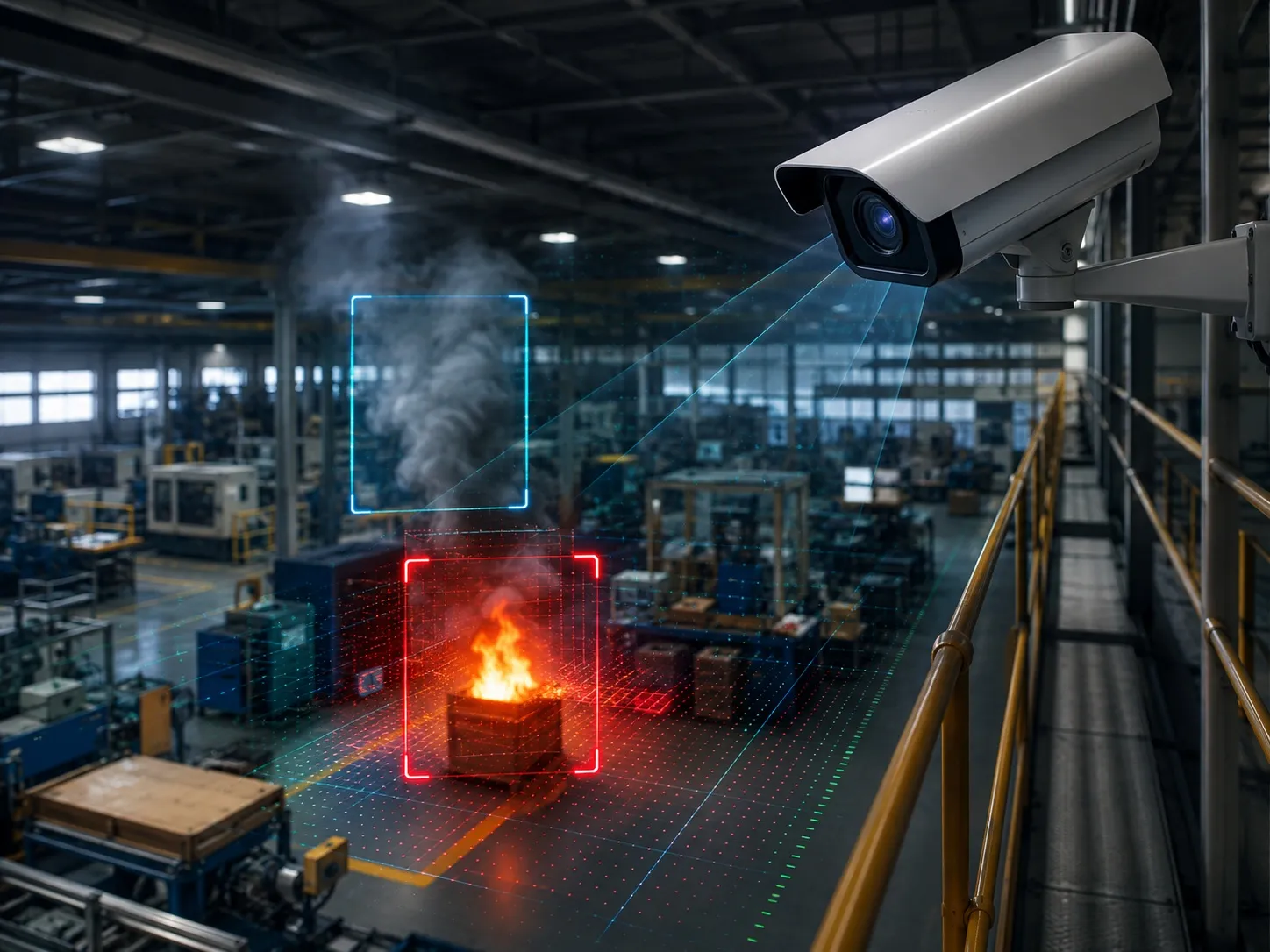


Speed is the entire point of using cameras for fire detection. Traditional smoke & heat sensors need particles or heat to physically reach them, which means a fire can burn for minutes before triggering an alarm. Fire detection camera analytics works differently, watching for visual signs of flame as well as smoke the moment they appear in a camera's field of view.
Typical Response Times
Most modern systems flag visible flame or smoke within 1 to 3 seconds of it entering frame. This is not instantaneous, since the software needs a few frames to confirm a pattern & rule out things like steam, dust or reflected light. But compared to a heat sensor mounted 20 feet away on a warehouse ceiling, waiting for hot air to rise & trigger it, a camera watching the actual source catches the event far earlier. Detect fire risks early with fire detection camera analytics - visit our website to learn more.
Why Distance Matters Less
A point sensor only works when smoke or heat physically reaches it. A camera can spot a small flame at the base of a shelf or a spark near machinery from across a room, long before that heat would ever reach a ceiling-mounted detector. This is the main advantage in large open spaces like warehouses, parking structures & manufacturing floors, where traditional sensors are often too far from the point of ignition to help.
Reducing False Positives Without Slowing Down
Early camera-based systems struggled with false alarms triggered by steam, fog machines or bright headlights. Current fire detection camera analytics use trained models that check multiple frames for movement patterns consistent with actual flame or smoke before sending an alert. This confirmation step adds a small delay, usually under a second, but cuts false alarms dramatically compared to single-frame detection.
Integration With Suppression Systems
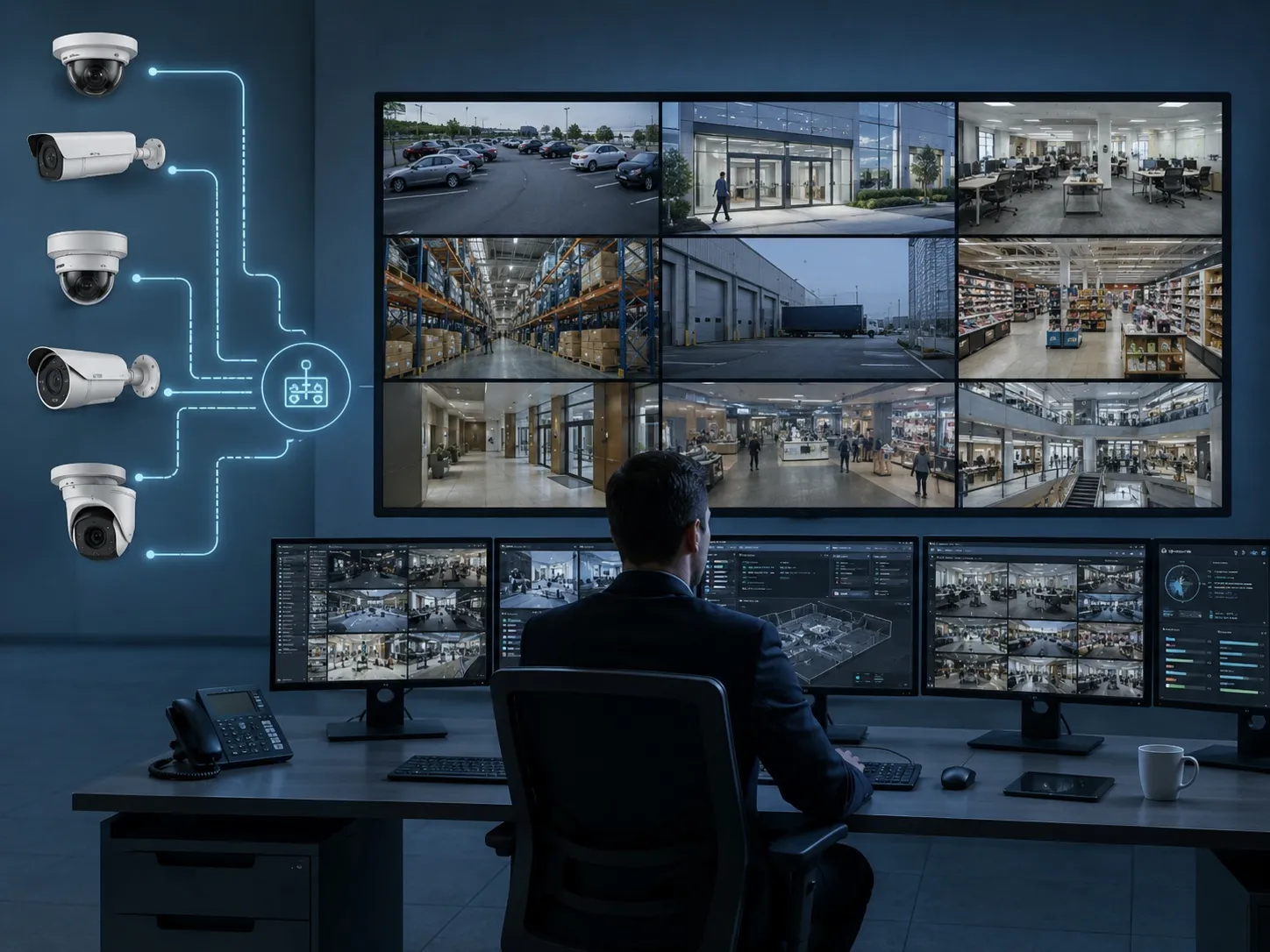
Speed only matters if it leads to action. Many facilities now tie camera alerts directly into sprinkler systems, alarms & emergency notifications, so a confirmed detection can trigger a response within seconds rather than waiting for a person to view a monitor & decide it's real.
Where This Matters Most
Facilities with high-value equipment, flammable materials or large unmonitored areas benefit the most. A few extra seconds of warning can mean the difference between a small fire contained by early sprinkler activation & one that spreads before anyone notices.
The core value isn't just detection - it's cutting the time between ignition as well as human awareness down to seconds instead of minutes.
Author Bio:
Vibrans Allter is a technology writer and security enthusiast specializing in AI-powered camera monitoring, computer vision security systems and on-prem video analytics solutions. You can find his thoughts at CCTV surveillance blog.






















Sign in to leave a comment.