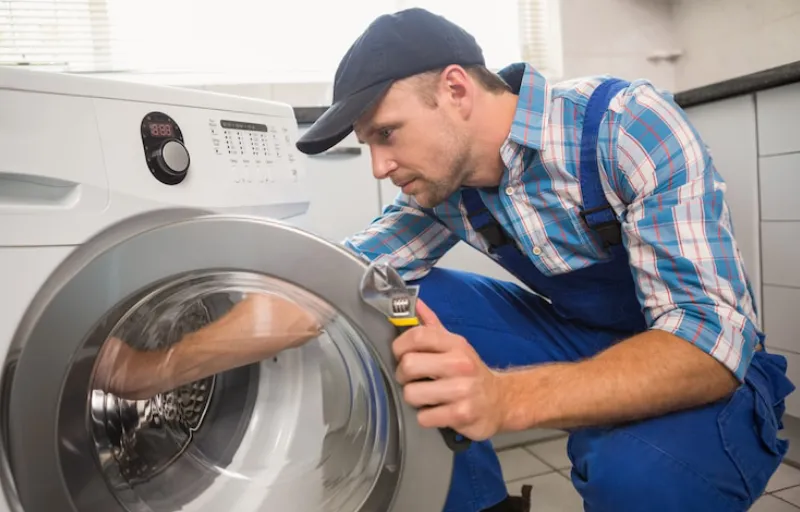

A washing machine is designed to clean clothes and keep them smelling fresh, but without proper care, it can become a source of unpleasant odors and mold growth. Many homeowners notice a musty smell coming from their washer or discover dark residue around the door seal and detergent compartment. These issues are especially common in modern high-efficiency machines and front-load washers because moisture can remain trapped inside after each cycle.
Mold and odors inside a washing machine not only affect the smell of your laundry but can also reduce appliance efficiency and create hygiene concerns. Fortunately, with consistent maintenance and a few simple habits, it is possible to prevent these problems and keep your washer operating properly for years.
Why Washing Machines Develop Mold and Odors
Washing machines create the perfect environment for mold and mildew. Warm temperatures, moisture, detergent residue, and poor airflow all contribute to bacterial and fungal growth inside the appliance.
Front-load washers are especially vulnerable because their airtight door seals trap moisture after cycles finish. Over time, soap scum, dirt, lint, and fabric softener buildup create an environment where odors can develop quickly.
Even top-load washers can develop unpleasant smells if they are not cleaned regularly or if standing water remains inside the drum.
Leave the Washer Door Open After Each Cycle
One of the easiest and most effective ways to prevent mold growth is to leave the washer door slightly open after every load.
When the door remains closed, moisture stays trapped inside the drum and rubber gasket. This humid environment encourages mold and mildew to grow rapidly. Allowing air to circulate helps dry out the interior and reduces the chance of bacterial buildup.
Many homeowners make the mistake of closing the washer immediately after use to keep the laundry room looking tidy. However, keeping the door open for a few hours can make a major difference in preventing odors.
Clean the Rubber Door Seal Regularly
The rubber gasket around the washer door is one of the most common areas where mold develops. Water, detergent residue, hair, lint, and dirt often collect in the folds of the seal after each wash cycle.
If left untreated, this buildup creates dark mold spots and strong musty odors that can spread to clothing.
Cleaning the gasket regularly helps prevent this issue. A damp cloth with mild cleaner can remove residue before mold has a chance to grow. It is also important to dry the seal after washing large loads or heavily soiled items.
Regular gasket maintenance can significantly improve washer cleanliness and reduce odor problems over time.
Use the Correct Amount of Detergent
Using too much detergent is a common mistake that contributes to washing machine odors. Excess soap creates residue inside the drum, hoses, and detergent compartment. Over time, this buildup traps dirt and moisture, leading to mold growth and unpleasant smells.
High-efficiency washers require specially designed HE detergent and smaller detergent quantities than traditional machines. Many homeowners mistakenly use more soap believing it will clean clothes better, but excessive detergent actually reduces washer efficiency.
Following manufacturer recommendations helps prevent soap buildup and keeps the machine cleaner internally.
Run Regular Cleaning Cycles
Routine cleaning cycles are essential for preventing mold and odor problems. Even if the washer appears clean, hidden residue and bacteria can accumulate inside the appliance over time.
Running an empty hot water cycle once a month can help flush out detergent residue and eliminate bacteria. Some modern washers include self-cleaning cycles specifically designed for maintenance.
Adding washer-safe cleaning solutions during these cycles can further improve cleanliness and reduce odor buildup.
Regular maintenance cleaning helps keep the drum, hoses, and internal components free from residue and mold growth.
Avoid Leaving Wet Clothes Inside the Washer
Leaving damp laundry inside the washing machine for extended periods creates ideal conditions for mold and bacteria. Wet clothes trap moisture inside the drum and quickly create musty odors.
Many homeowners forget loads overnight or leave washed clothing sitting in the machine for several hours. Even occasional delays can contribute to odor problems over time.
Removing laundry promptly after each cycle allows the drum to dry faster and reduces excess moisture inside the appliance.
Keep the Detergent Dispenser Clean
Detergent drawers and fabric softener compartments often collect sticky residue that becomes a breeding ground for mold and mildew.
Over time, detergent buildup hardens inside the dispenser and restricts proper water flow. This trapped residue can create strong odors and spread bacteria throughout the washer.
Cleaning the dispenser regularly helps prevent buildup and keeps detergent flowing correctly during wash cycles. Warm water and mild soap are usually enough to remove residue before it becomes severe.
Check and Clean the Drain Filter
Many washing machines include drain filters that collect lint, hair, coins, and small debris. When the filter becomes clogged, water may not drain completely from the machine.
Standing water inside the washer can quickly develop unpleasant odors and encourage mold growth. Clogged filters may also reduce washing performance and increase strain on the drain pump.
Inspecting and cleaning the filter periodically helps improve drainage and prevents moisture buildup inside the machine.
Improve Laundry Room Ventilation
Poor ventilation in the laundry area can contribute to excess humidity and slow drying inside the washing machine.
Laundry rooms with limited airflow often trap moisture, especially after multiple wash cycles. Improving ventilation helps reduce humidity and supports faster drying of the washer interior.
Opening windows, using exhaust fans, or improving airflow around the appliance can help prevent mold growth and reduce odors.
Use Hot Water Occasionally
While cold water washing is energy efficient and gentle on fabrics, exclusively using cold cycles can allow detergent residue and bacteria to accumulate inside the washer.
Running occasional hot water cycles helps dissolve buildup and sanitize the machine more effectively. Hot water also helps reduce mold spores and eliminate lingering odors.
Balancing cold and hot washes can improve both washer cleanliness and overall appliance performance.
Pay Attention to Early Warning Signs
Mold and odor problems rarely appear suddenly. Most washers show warning signs before the issue becomes severe.
Common signs include:
- Musty smells after washing
- Dark spots around the gasket
- Residue inside the detergent drawer
- Damp smells on freshly washed clothes
- Water remaining inside the drum
Addressing these signs early can prevent larger cleaning and repair issues later.
The Importance of Routine Maintenance
Preventive maintenance is one of the best ways to keep a washing machine operating efficiently and odor free. Small habits such as drying the door seal, cleaning filters, and running maintenance cycles can dramatically reduce the risk of mold buildup.
Routine inspections also help identify drainage issues, leaks, or failing components before they cause major appliance problems.
A clean washing machine not only smells better but also improves cleaning performance and helps extend appliance lifespan.
Conclusion
Washing machine mold and odors are common household problems, but they can usually be prevented with proper care and regular maintenance. Moisture control, routine cleaning, and good laundry habits all play an important role in keeping washers fresh and functioning efficiently.
By paying attention to early warning signs and maintaining the appliance consistently, homeowners can avoid unpleasant smells, reduce bacteria buildup, and improve overall washer performance.
When deeper cleaning or professional repairs are needed, experienced technicians can help restore proper operation and prevent recurring issues. At Modern Appliance Repair, homeowners can rely on dependable washing machine maintenance services that help keep appliances clean, efficient, and running smoothly for everyday use.



























Sign in to leave a comment.