

Winter brings with it a quieter rhythm — cooler days, shorter evenings, and fewer events pulling us away from home. For many Australians, it's the season of turning inward. That doesn’t just mean more time under a blanket; it also means noticing the things around you that might need attention, like faded walls or dated colour schemes.
This season is often overlooked as a time for home updates, yet it's one of the best periods for tackling those inside jobs that get pushed aside during the busier months. When we painted our study one winter, the difference in light and tone completely shifted how we felt in the space. With fewer people coming and going, it also stayed tidy throughout.
If you’ve been waiting for the right moment, interior house painting in winter might be one of the simplest ways to bring new life into your home.
Why winter conditions help your paint job turn out better
Painting during the colder months may not be the obvious choice, but winter often offers a more consistent environment for interior work. Without fluctuating heat or humidity, materials behave more predictably, which helps both application and finish.
Some reasons winter painting holds up well:
- Low humidity improves drying consistency
- Less household activity means fewer accidental smudges
- Steady indoor temperatures assist with paint bonding
- Fewer environmental particles enter the home due to closed windows
We noticed this ourselves when updating our hallway walls — paint dried quickly and evenly, without needing to rework patchy areas later. The stillness of winter gave us more control over each coat, and with the family less active indoors, nothing was rushed.
There's also the added bonus of tackling jobs while others are waiting for spring. You'll have easier access to tradies, less scheduling friction, and more time to focus on quality rather than speed.
Make sure your painter is properly accredited
When planning an interior project, it’s easy to focus on colours, tools, and timing, and forget to verify the person doing the job. Even for internal work, painters need to hold the appropriate certifications, particularly when advertising services or using specialist coatings.
This isn't just about ticking a box. A qualified painter ensures the work is done to standard and reduces risk in case anything goes wrong later. In New South Wales, painters are expected to meet licensing standards depending on the type of work and how it's promoted.
For instance, larger-scale jobs that involve surface preparation, undercoating, or specialised coatings require the contractor to meet certain conditions under the painting work licence system. Verifying this upfront can prevent delays or disputes during the job.
Choose finishes that work well with winter light
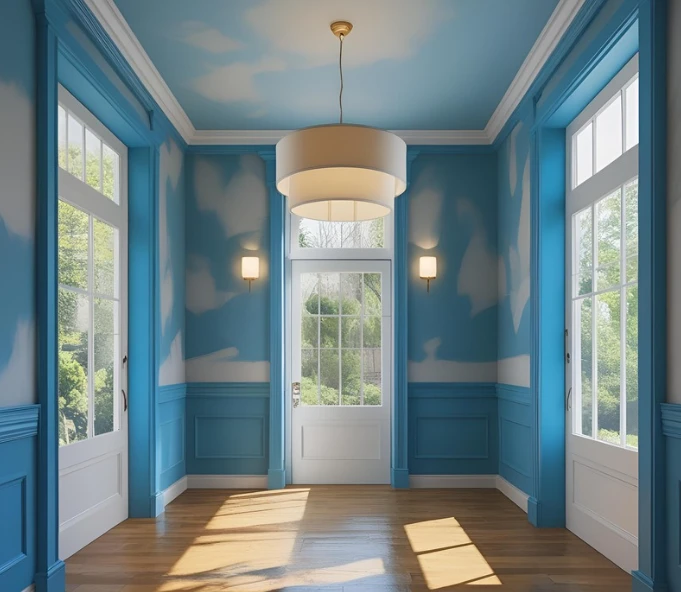
Lighting plays a key role in how colours appear, especially during the darker months. What looks bright and warm in a paint store can take on cooler or duller tones once applied indoors. That’s why choosing the right finish matters as much as choosing the right shade.
Here’s what to keep in mind:
- Matte and eggshell finishes soften ambient light and reduce glare
- Glossy surfaces reflect more light and can visually expand a space
- North-facing rooms may benefit from deeper, earthy tones
- East-facing rooms can look better with pale neutrals
During our kitchen refresh last winter, we paired a muted clay wall tone with semi-gloss on the trims — the result felt brighter, without overcompensating. The gloss helped catch limited light and made the space feel bigger without adding artificial brightness.
We also did a quick touch-up on the timber frames around the windows. A subtle sheen made the woodgrain stand out again without overpowering the room. Choosing surfaces that complement light levels and material texture matters, especially when working with natural grain.
Make the most of seasonal calm to prep and paint
One overlooked benefit of winter painting is the space it creates for better preparation. In warmer months, there's a rush — rushing to get jobs done before events, rushing to finish before the heat peaks. Winter offers the opposite. A slower pace encourages better planning and execution.
Here's how we took advantage of the slower period:
- Cleared furniture and clutter without urgency
- Took time to patch and sand walls properly
- Allowed full drying between coats without fan-forcing
- Enjoyed the result without pressure to 'move on' to other tasks
This kind of breathing space is what sets winter projects apart. You’re not scrambling to keep up — you’re finally catching up.
Winter’s a good time to think about cleaner choices
Closed windows and steady heating mean winter can trap more air pollutants indoors. That includes anything released by new paint — unless you’re choosing products designed to be lower impact.
Options that help maintain healthier air while painting:
- Use low-VOC or VOC-free paints to reduce chemical smells
- Keep windows ajar midday if temperatures allow
- Use pedestal fans or ceiling fans to keep air circulating
- Paint one area at a time to contain fumes more easily
Winter often forces us to think more carefully about what’s in the air. Whether you’re sensitive to odours or just prefer a cleaner breathing space, it’s a smart time to choose materials that go easy on the lungs. These eco friendly painting tips can make a subtle but meaningful difference in how your space feels, even weeks after the project wraps up.
What to avoid when painting indoors in colder seasons
Even though winter has its advantages, there are still a few things you’ll want to steer clear of. Common mistakes can undermine the best plans — but they’re also easy to avoid if you know what to look for.
Avoid these common pitfalls:
- Skipping prep because it's “just inside” — interior walls still need attention
- Using leftover warm-weather paint without checking if it’s suitable for cooler temps
- Painting too late in the day can slow drying
- Overheating the room, which can cause bubbling in some paint types
Painting success often comes down to rhythm: planning well, starting early in the day, and letting each layer settle before moving on. Treat it like a quiet weekend job, not a frantic to-do list item.
Final thoughts: a seasonal shift deserves a fresh look
Colder seasons don’t always come with bold changes, but they’re a great time to initiate quiet improvements. There’s no rush, no harsh weather interfering, and no need to wait for a future season that’s always too full. Painting your interiors during winter isn’t just doable — it’s surprisingly sensible.
You might be surprised how one fresh coat — in the right finish, in the right light, at the right time — can transform a tired corner of your home. Small seasonal choices can have lasting effects.
Sometimes, the best updates happen when life slows down just enough to notice what’s missing.


























Sign in to leave a comment.