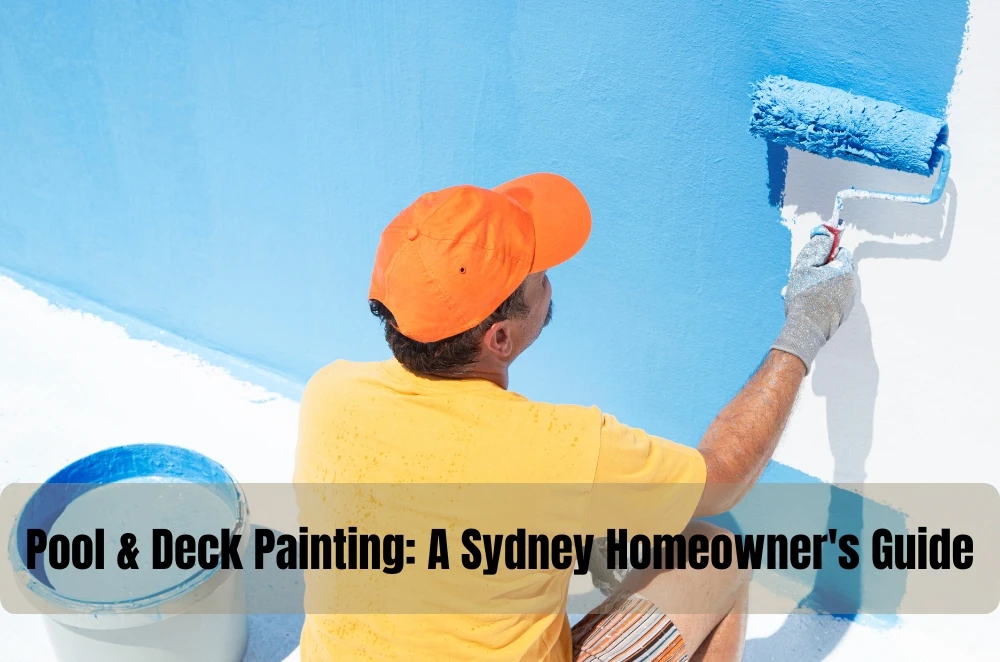

A lot of Sydney backyards have the same story: a pool that’s seen better days, a deck that went silver years ago, and a vague plan to “fix it up before summer” that never quite happens. If you’ve been meaning to book a pool paint service but you’re not sure where to start, this is the straightforward version – what actually matters, what’s okay to DIY, and what you really shouldn’t ignore.
Why painting your pool and deck actually matters
On the surface (literally), painting looks like a cosmetic job. Fresh colour, tidy edges, maybe a new shade to make the water look bluer. But once you live with a tired pool area for long enough, a few bigger issues creep in.
- Keeping water and chemicals away from concrete or render for longer
- Protecting decks from Sydney’s brutal UV and sudden downpours
- Making the surface less slippery when kids, pets and adults trail water everywhere
- Stopping the whole space from looking like a half-finished reno
The other reason it matters: small problems rarely stay small. A bit of flaking on the pool steps or a few soft boards on the deck can turn into major repair work if you keep ignoring it.
Getting the pool and deck ready the right way
You can buy the fanciest coating on the shelf and still end up with peeling if the prep is lazy. The annoying truth is that most of the work happens before you open the tin.
Start with a decent inspection
- Pool walls and steps – flaking, chalky patches, hairline cracks
- Concrete surrounds – lifted edges, hollow-sounding sections, old repairs
- Timber decks – soft spots, split boards, raised screws, wobbly rails
If anything feels weak, wobbly or rotten, fix that first. There’s no point painting over a deck board you can push your finger into.
Clean like you’re already halfway through the job
- Pool interior – Degrease, scrub, then pressure wash. Sunscreen residue and body oils are sneaky; if they stay, the paint won’t.
- Concrete or paved surrounds – Pressure clean, clear out joints, deal with any obvious stains or mould patches.
- Timber decking – Use a deck cleaner, scrub out the grey fibres and mould, then rinse thoroughly.
Let everything dry properly. Not “it feels dry when I touch it” – actually dry. Moisture trapped under new paint is asking for bubbles and blisters.
Picking paints that suit Sydney's weather
Sydney’s climate is a bit rough on outdoor surfaces. Hot sun, random storms, coastal salt in the air – it’s a lot. The paint system has to match both your surface and how you use the space.
Inside the pool
For concrete or rendered pools, high-quality pool coatings (often epoxy-based systems) are popular because they handle chemicals and regular scrubbing better than generic paint. When you’re comparing products, ask yourself:
- Is it designed specifically for pools, or is it just “outdoor paint”?
- Is it compatible with whatever’s on the pool now, or does the old coating need to come off?
- What’s the realistic life expectancy before it needs another coat?
If you don’t know what’s already in your pool, that’s your warning light. “Unknown coating” plus “new product over the top” is where a lot of failures start.
Around the pool – the deck
On the deck, safety becomes a bigger part of the conversation. Wet feet, sunscreen, the odd spilt drink – all of that ends up on the surface. When you’re looking at slip resistant pool deck paint, you’re really choosing how secure the area feels underfoot.
- Systems that allow non-slip aggregates in traffic areas, and especially on steps
- Products that talk honestly about cleaning – very rough finishes grip, but they also hold dirt
- Clear guidance on where they can be used (ramps, stairs, general traffic zones)
On timber decks, you’ve got another decision to make: film-forming paints and opaque finishes look crisp but need discipline with maintenance, while penetrating oils and stains are more forgiving but need attention more often. If your boards are already split, cupped or soft in spots, it’s usually smarter to repaint timber decking after replacing damaged boards, not just roll another coat over a shaky base.
DIY or professional help: finding the line
There’s no rule that says you must hire a pro for every pool and deck project. Some jobs genuinely are within reach if you’re reasonably handy and patient.
Jobs that usually suit DIY
- General cleaning and pressure washing
- Light sanding of timber boards and handrails
- Masking edges, drains and fittings
- Rolling topcoats on simple, flat, easy-access areas
If your pool is small, the existing coating is sound, and the deck is single-level with good access, you can get a decent result just by following the data sheets and not rushing.
Jobs where it’s worth bringing in a pro
- The pool is large, cracked, or has layers of unknown old coatings
- Is there any sign of structural movement in concrete or brickwork
- The deck is high, complex, or tied into balconies and stairs
- You’re under pressure from a body corporate or insurer to meet specific standards
If your surroundings are concrete, and you’re comparing coatings that all claim to be “tough” or “premium”, it’s worth reading an independent breakdown of the best concrete pool deck paint so you can see how different systems behave in the real world, not just in the brochure.
Looking after your new finish
Once the paint’s on and the pool’s refilled, it feels like the job’s done. Realistically, you’ve just started the maintenance phase – but it doesn’t have to be a drama.
Pool care
- Keep the water chemistry within the recommended range, not just “close enough.”
- Use the right brushes and cleaning gear for your coating type
- Check high-wear spots like steps and seats at the start and end of each swimming season
Deck care
- Sweep off leaves and dirt so water doesn’t sit trapped underneath
- Clean gently but regularly rather than blasting once a year with a high-pressure jet
- Watch traffic lanes, stairs and handrails – they’ll show wear first and may need a touch-up ahead of the rest
A little bit of scheduled care keeps you miles away from the “full strip and start again” scenario.
Final thoughts
If you strip away all the brand names and shiny photos, pool & deck painting for a Sydney home boils down to a handful of simple rules: fix the underlying issues, prep properly, choose products that match your surfaces and lifestyle, and then look after them.
Whether you tackle part of the work yourself or bring in specialists, the aim isn’t just a nicer-looking backyard. It’s a pool and deck that feel safe, solid and genuinely inviting – the kind of space you don’t think twice about using when the first warm weekend hits.





























Sign in to leave a comment.