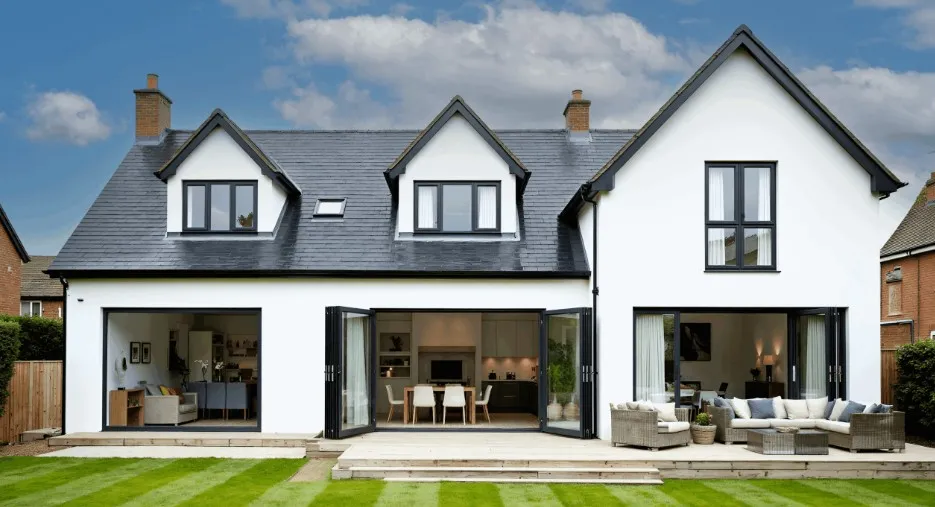

Why Your Extension Quote Might Be Missing This One Critical Cost
Short answer: Many extension quotes underestimate extension cost by leaving out structural engineering as a separate, later expense rather than including it upfront. That single gap is one of the most common reasons final costs exceed initial quotes.
It's an easy detail to miss when comparing quotes side by side, since the headline figures often look similar until the fine print gets checked.
Why Do Extension Quotes Often Miss This Cost?
Some architects and builders quote design and construction only, treating structural engineering as an optional add-on to be arranged separately. That approach can make an initial quote look more competitive than it actually is.
This isn't necessarily dishonest. Some firms simply don't offer structural engineering in-house, so it genuinely sits outside their standard quote as a matter of business structure rather than deliberate omission.
Once structural calculations, site visits, and Building Regulations sign off get added back in, the real total often lands significantly higher than the headline figure first presented. This is one of the most common ways a project's final cost drifts noticeably above what the homeowner originally budgeted for.
What Does Structural Engineering Actually Involve?
A structural engineer's work on an extension typically covers:
- Assessing which walls can safely be removed or altered.
- Calculating beam sizes and foundation requirements.
- Producing drawings that satisfy Building Regulations.
- Site visits during construction to confirm work matches the design.
- Signing off completed structural work once it's finished.
This isn't a minor administrative step. It's the technical foundation that makes the rest of the extension safe and legally compliant. Skipping proper structural assessment isn't a way to save money. It's a way to defer a cost that eventually has to be paid anyway, often at a less convenient point in the project.
How Much Should I Budget For Structural Engineer Costs?
Structural engineer fees typically add several thousand pounds to an extension project, varying with scope and complexity. Homeowners can check current structural engineer costs to understand a more precise range based on project size and structural complexity.
A larger extension involving significant wall removal or a new foundation naturally needs more structural work than a straightforward loft conversion, which affects the fee accordingly.
"The gap between a quote that includes structural engineering and one that doesn't can run into thousands of pounds, discovered only once the project is already underway."
Why Does It Matter Whether Structural Engineering Is In-House?
Coordination becomes the deciding factor, not just cost. An in-house structural engineer works from the same drawings as the architect, catching conflicts between design intent and structural reality before construction starts.
Separate consultants, hired independently, often communicate through email exchanges rather than shared design meetings, which slows decisions and increases the risk of costly rework once building work is underway.
That coordination gap is exactly where budgets tend to expand beyond the original quote. A design change agreed by the architect, but not communicated clearly to a separate structural engineer, can mean redoing calculations that were already technically finished, adding both time and cost.
What Other Costs Get Commonly Left Out Of Extension Quotes?
Beyond structural engineering, a few other costs frequently get excluded from headline figures:
- Party Wall Act fees, where the extension affects a shared wall.
- Building Regulations application fees, separate from planning permission itself.
- Contingency for unforeseen ground conditions or existing structural issues.
- Project management, if not already included in the architect's service.
Asking for a fully itemised quote before signing anything reveals whether these costs are already accounted for or waiting to appear later. A quote that looks slightly higher upfront, but includes everything, is usually better value than one that looks cheaper but adds these items back in as the project progresses.
How Do I Make Sure My Extension Budget Is Realistic?
Start with a proper feasibility assessment rather than a rough online estimate. This confirms planning route, structural scope, and a realistic cost range specific to the property, rather than a generic average that doesn't account for site conditions.
Comparing quotes on what's actually included, not just the final number, remains the most reliable way to avoid an unpleasant surprise partway through construction. Homeowners who take this approach tend to end up with a budget that holds, rather than one that quietly grows as the project moves from design into construction.
The Bottom Line On Extension Quotes And Structural Costs
A quote that excludes structural engineering isn't a cheaper option, it's an incomplete one. Getting structural costs included from the start, ideally from a team working under one roof, tends to produce a more accurate budget and a smoother build from first design conversation to completion.
The difference rarely shows up on day one. It shows up weeks into construction, when a properly budgeted project keeps moving while an underestimated one hits an unplanned pause.




























Sign in to leave a comment.