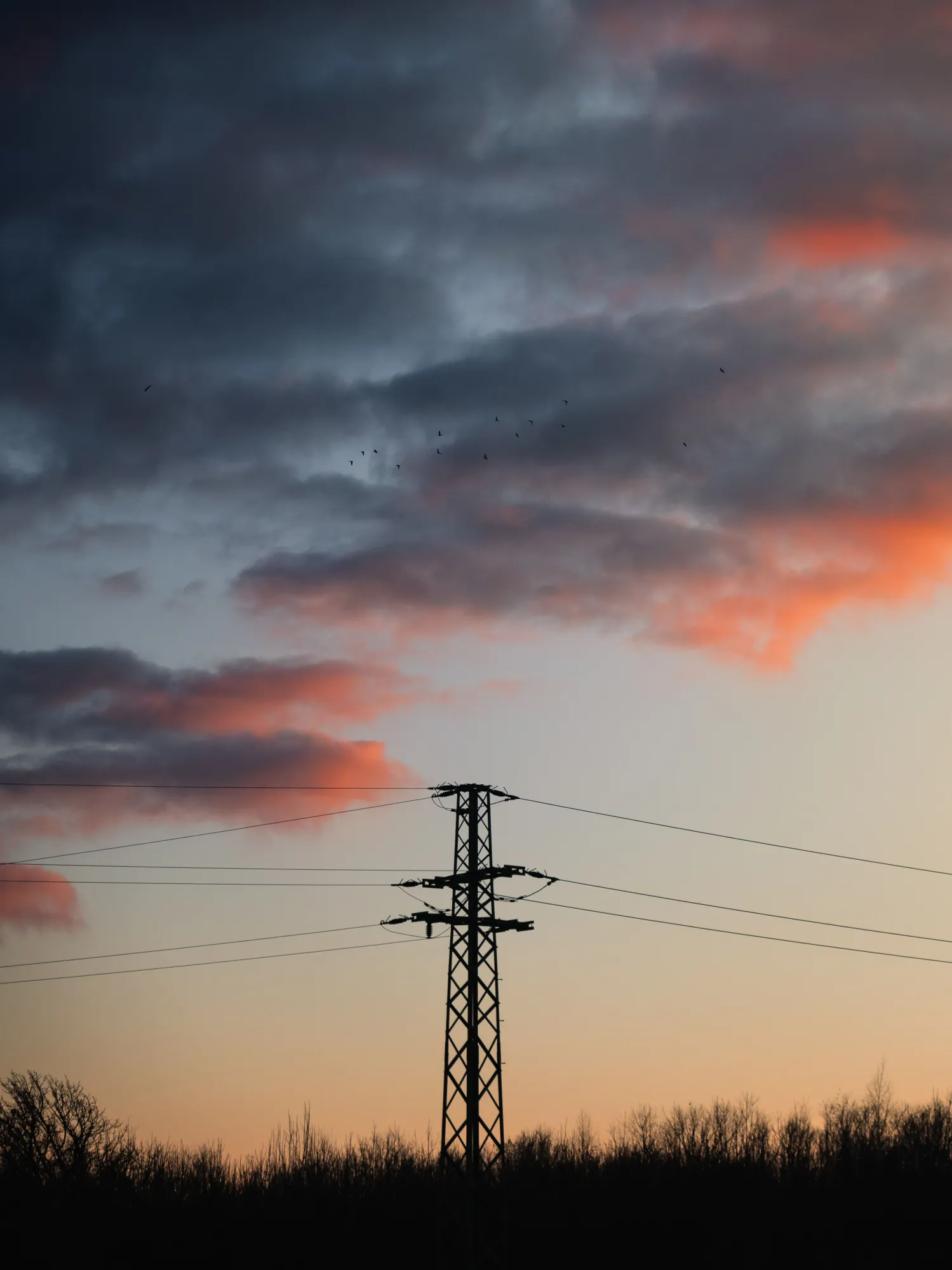

Your home's electricity use isn't exactly the same every month.
In summer, air conditioning can become one of the biggest sources of household electricity consumption. In winter, heating, hot water and lighting can push energy use in a different direction. Even the time of day that electricity is consumed can change as the seasons move on.
At the same time, the amount of energy available from renewable sources can also vary throughout the year.
Understanding these seasonal patterns can make it easier to manage household energy use and avoid being caught off guard when electricity bills change.
Summer Doesn't Necessarily Mean Lower Electricity Bills
It is easy to assume that summer should automatically result in lower electricity bills, particularly for households generating some of their own electricity.
But summer can also bring significant increases in electricity consumption.
Air conditioners are a major example. A household that rarely uses cooling during the cooler months may run air conditioning for several hours a day during a hot spell.
Swimming pools, pool pumps, refrigerators and freezers can also contribute to higher electricity consumption during warmer weather.
The important factor isn't simply how much electricity a household uses. It's when that electricity is being used.
Running a large appliance while electricity is being generated locally is very different from using the same appliance after the sun has gone down.
Winter Brings a Different Set of Challenges
Winter tends to change the household energy equation.
Heating can become a significant electrical load, while shorter days mean households often use lights earlier in the evening.
Hot water demand can also increase, particularly during colder weather.
At the same time, renewable electricity generation can be lower during the winter months because there are fewer hours of strong sunlight available.
This combination can mean that a household experiences higher grid electricity consumption even though its energy habits haven't changed dramatically.
The important thing to remember is that a reduction in renewable generation during winter isn't necessarily a sign that a system is malfunctioning.
The amount of energy produced naturally changes throughout the year. The sun's position, day length, weather conditions and temperature all influence the amount of electricity that can be generated.
For a more detailed look at how seasonal changes affect energy production, it's useful to compare typical summer and winter generation rather than judging performance based on a single day or month.
Spring and Autumn Can Be Interesting Transition Periods
Spring and autumn are often overlooked when people think about household energy consumption.
These seasons can sit somewhere between the extremes of summer and winter.
Air conditioning may be used less frequently, heating requirements can be lower, and households may spend more time relying on natural light.
For renewable energy systems, these periods can also provide a useful balance between reasonable levels of generation and moderate household consumption.
This makes the shoulder seasons particularly interesting for households trying to understand their annual energy patterns.
Your Electricity Consumption Is About More Than Total Usage
Looking at your electricity bill only in terms of kilowatt-hours can hide an important part of the picture.
Two households could use exactly the same amount of electricity over a month but have very different energy costs depending on when they use it.
For example, one household might consume a large proportion of its electricity during the middle of the day, while another uses most of its electricity in the evening.
This is one reason energy monitoring can be useful.
Instead of simply asking, "How much electricity do we use?", homeowners can start asking:
- When do we use the most electricity?
- Which appliances are responsible for the largest loads?
- How does our consumption change between seasons?
- How much electricity do we use during daylight hours?
- How much do we rely on the grid in the evening?
These questions provide a much better picture of how a household actually uses energy.
Small Changes Can Make a Difference
You don't necessarily need to make major changes to your home to improve the way you use electricity.
Simple adjustments can help align electricity consumption with periods when energy is more readily available.
For example, households may be able to run washing machines, dishwashers or other appliances during the middle of the day rather than waiting until the evening.
Heating and cooling settings can also make a noticeable difference over time.
Even small changes become significant when they are repeated every day.
Batteries Change the Equation
Energy storage introduces another option for households that generate electricity during the day.
Instead of using all available generation immediately, excess electricity can be stored and used later.
This can be particularly useful when household demand doesn't line up with periods of electricity generation.
For example, a household might have relatively low electricity demand during the middle of the day while everyone is at work or school.
Later in the evening, the household may return home and begin cooking, using appliances and heating or cooling the house.
Storage can help bridge that gap.
The usefulness of a battery depends on the individual household, however. Factors such as electricity consumption, generation, battery size, tariffs and household routines all need to be considered.
Look at Your Energy Use Across the Whole Year
One of the best ways to understand your household's electricity requirements is to look at a full year rather than focusing on one electricity bill.
A single summer month might show very high consumption because of air conditioning.
A winter month might show lower renewable generation but increased heating and lighting demand.
Neither month necessarily represents the household's normal annual behaviour.
Looking at the broader pattern can reveal recurring changes and help homeowners make better decisions about how they use electricity.
Energy Is Becoming More Dynamic
Australian households are gradually becoming more sophisticated energy users.
Electric vehicles, smart appliances, home batteries, heat-pump hot water systems and energy monitoring technology are changing how electricity is consumed.
As these technologies become more common, understanding the relationship between when energy is generated and when it is consumed will become increasingly important.
Rather than thinking of electricity as something that simply comes from the grid whenever a switch is turned on, households can start looking at energy as something that can be generated, consumed, stored and managed.
And that starts with understanding your own home's seasonal energy patterns.
























Sign in to leave a comment.