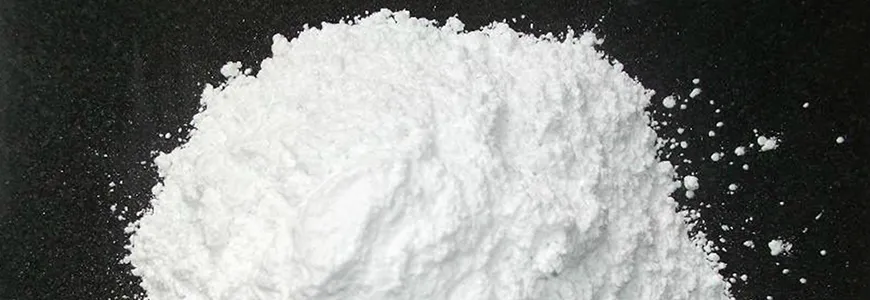

The Problem Usually Starts Before the Factory Floor
When paint batches look uneven or plastic parts come out weaker than they should, most people look at their process first. They adjust temperatures, check mixing times, review formulations. The machine often gets the blame. The filler rarely does.
But sourcing from the right soapstone powder manufacturer in Rajasthan makes a more direct difference than most buyers expect. Poor-quality soapstone powder changes how your product behaves — and not in obvious ways. The effects show up as colour inconsistency in paints, brittleness in plastic sheets, weak bonding in rubber compounds, or surface defects in finished goods.
What "Poor Quality" Actually Means
It is worth being specific here, because "poor quality" gets used loosely.
In soapstone powder, the problems that actually hurt production are usually one of four things. First, inconsistent particle size. If the mesh is uneven — say, a batch labelled 325 mesh that actually contains coarser particles — it affects dispersion in paint and flow in plastic extrusion. You will not see it in the bag. You will see it in the finished product.
Second, high moisture content. Wet powder clumps, disrupts mixing, and in plastics, it creates micro-voids and surface blemishes. A lot of small processing units in Rajasthan do not have proper drying equipment or do not test moisture before packing.
Third, contamination. Raw soapstone sometimes contains iron, calcium carbonate, or silica depending on the deposit. Without sorting and testing at the processing stage, these contaminants end up in your formulation. In white paints, even minor iron content shows up as a yellow tint.
Fourth, inconsistency between batches. One month the powder works fine. The next, something is off. This is the one that costs the most — not just in material but in debugging time and rejected output.
How the Right Manufacturer Prevents These Issues
Manufacturers who have been in this business long enough know these problems are not accidents. They are process failures, and they are preventable.
Particle size consistency comes from proper mill calibration and post-grinding sieving. Moisture control requires drying equipment and batch-level testing — not just visual checks. Contamination control means sourcing raw soapstone carefully and doing chemical analysis on incoming material. Batch consistency requires documented processing standards, not guesswork.
This is why the gap between suppliers matters so much. Two manufacturers can both call themselves a soapstone powder manufacturer in Rajasthan and sell what looks like the same product. One tests every batch before packing. The other packs and ships based on appearance alone. The difference shows up in your production line.
What Buyers in Paint and Plastic Industries Should Actually Check
Before finalising a supplier, ask for a technical data sheet — not just a price list. The sheet should specify whiteness index, particle size distribution, moisture content, and bulk density. If a supplier cannot provide this, that tells you something.
Ask whether they test finished packed batches or only test at the grinding stage. Mid-process testing is better than nothing, but it does not catch problems that happen during storage or packaging.
Request a small trial order before committing to volume. Any reliable supplier will not have a problem with this.
Why Ashirwad Minerals Is a Different Kind of Supplier
Ashirwad Minerals processes soapstone in covered facilities with humidity-controlled storage, which matters particularly during monsoon months. Every batch is tested for moisture, particle size, and whiteness before it leaves the facility. Buyers receive material with documented specifications, not just verbal assurances.
The company supplies to paint, plastic, rubber, paper, and ceramics manufacturers, which means the team understands the specific requirements different industries have. Customisation on mesh size, brightness, and packing is available based on end-use.
Conclusion
If your paint or plastic output has been inconsistent and you have ruled out process errors, the filler material is worth a hard look. Soapstone powder is a high-volume input that often flies under the radar — until it causes problems. Choosing a supplier who tests systematically and stands behind their specifications is the simplest way to remove one variable from your production equation.
FAQs
Can soapstone powder really affect paint colour consistency? Yes. Variations in whiteness index and particle size between batches directly affect how pigments disperse in paint. Contamination with iron or other minerals can introduce unwanted colour tints.
What mesh size of soapstone powder is standard for plastic applications? Most plastic manufacturers use 325 mesh or finer. Coarser grades can create surface defects in sheets and moulded parts. Always confirm the actual particle size distribution, not just the labelled mesh.
How do I test if a soapstone powder batch has high moisture? A moisture analyser gives you a precise reading. A quick field check is to press a small amount between your fingers — if it compacts or clumps rather than flowing freely, moisture is likely elevated.
Why do batches from the same supplier sometimes vary? This usually points to inconsistent sourcing of raw stone, lack of process controls at the grinding stage, or mixing material from different deposits without blending. Ask your supplier how they manage batch-to-batch consistency.
Is it worth paying more for tested, certified soapstone powder? If you are running high-volume production where one bad batch means scrapped output, yes. The cost difference between tested and untested material is usually small compared to the cost of downtime and rework.



























Sign in to leave a comment.