

Introduction
You’ve probably heard of calcite powder if you’re in the construction, plastics, or paint business. But did you know that India is one of the world’s leading producers of this versatile mineral? And here's the kicker—calcite powder manufacturers in India like Ashirwad Minerals are not just producing in bulk; they’re playing the quality game hard and fast, keeping up with rigorous international quality certifications.
So, what’s fueling this transformation? Let's dive in.
Overview of the Indian Calcite Powder Industry
India’s got calcite, and lots of it—thanks to mineral-rich states like Rajasthan, Gujarat, and Andhra Pradesh. Among the key players, Ashirwad Minerals stands tall for its commitment to quality and consistency.
This homegrown industry has grown from small-scale mining units to full-blown, globally connected manufacturing hubs. And it’s not just quantity anymore—it’s about quality, sustainability, and certification.
What is Calcite Powder?
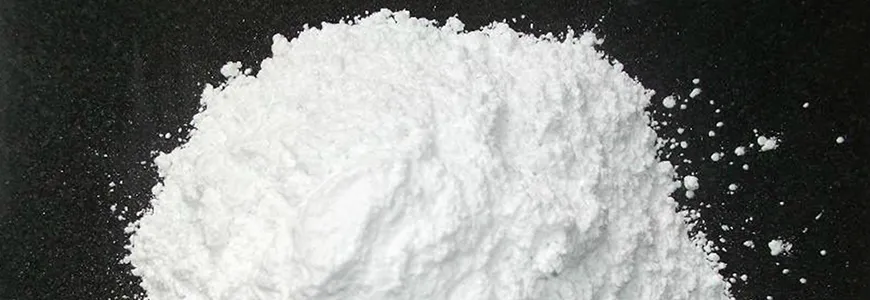
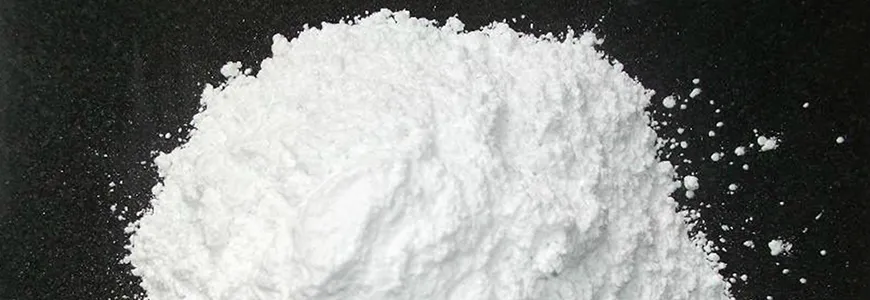
Calcite powder is a natural form of calcium carbonate with the chemical formula CaCO₃. It’s white, pure, and used everywhere—from toothpaste to tile grout, from paper to polymers.
Properties of Calcite Powder:
- High whiteness
- Low silica content
- Excellent dispersion
Applications:
- Paints & Coatings
- Plastics
- Ceramics
- Construction
- Rubber and Adhesives
Demand for Calcite Powder in Global Markets
The global appetite for calcite powder is booming. Countries like the USA, Germany, Japan, and the UAE import massive quantities for their industrial needs. And they want one thing—consistent quality.
Emerging applications like 3D printing materials and green construction are also driving demand, making quality certification more vital than ever.
What Are International Quality Certifications?
Certifications like ISO 9001, ISO 14001, ASTM, and REACH are the passports to international trade. These ensure a manufacturer meets global safety, environmental, and performance standards.
Without these, your product might as well not exist in premium markets.
Challenges Faced by Indian Manufacturers
Let’s be honest—getting certified isn’t a cakewalk. Indian manufacturers face a few speed bumps:
- Raw Material Variability: Different mines, different grades.
- Lack of Standardized Equipment: Older tech doesn't cut it.
- Inconsistent Power Supply: Especially in rural mining belts.
- Manpower Training: Skilled labor isn’t always readily available.
How Indian Manufacturers Are Adapting
The industry isn’t backing down. Here’s how they’re stepping up:
- Upgrading Machinery: Modern pulverizers and micronizers are in.
- In-house Labs: For real-time quality checks.
- Certifications: Not just one, but multiple—ISO, ASTM, and even SGS reports.
- Export Units: Specially designed for compliance with international norms.
Case Study: Ashirwad Minerals
Ashirwad Minerals, based in Udaipur, Rajasthan, is a shining example of how a manufacturer can meet and exceed global expectations.
Why They Stand Out:
- ISO 9001 Certified
- Advanced Laboratory Testing
- Consistent Product Quality
- Customized Particle Size Distribution
- Exported to 20+ countries
They focus on customer-specific solutions and environmentally friendly production, making them a benchmark for others.
Importance of Quality Control in Manufacturing
Quality control isn’t just a process—it’s a culture. Indian calcite manufacturers have started to treat their QC departments like mission control.
Steps Taken:
- Multiple stage sampling
- Particle size analysis
- Chemical purity tests
- Moisture content tracking
Role of R&D in Achieving Compliance
Innovation isn’t optional anymore. R&D labs are helping Indian manufacturers develop:
- Nano calcite variants
- Enhanced surface-treated powders
- Biodegradable additive-friendly compositions
These innovations help manufacturers cater to niche markets with high-quality standards.
Environmental Compliance and Sustainability
You can’t talk global standards without mentioning sustainability. Modern Indian manufacturers are turning green with:
- Zero Discharge Plants
- Solar Power Integration
- Dust Suppression Systems
- Responsible Mining
It’s not just about making money—it’s about making a difference.
Government and Institutional Support
India’s government has launched several initiatives to help:
- MSME Certification Subsidies
- Export Incentives
- Skill Development Programs
Support from bodies like FIEO and DGFT also helps small and medium exporters compete globally.
Benefits of Getting Certified
Here’s why Indian manufacturers are chasing certifications:
- Wider Market Access
- Higher Price Points
- Better Client Retention
- Legal Safety
- Enhanced Reputation
Certifications are no longer an option; they’re a survival tool.
Future Trends for Calcite Powder Manufacturers in India
Looking ahead, we can expect:
- Automation: For consistent particle size and reduced human error.
- AI in Quality Checks: Real-time defect detection.
- Blockchain for Supply Chain Transparency
- Green Chemistry: Sustainable additives and binders
Indian calcite powder manufacturers are future-ready, and it’s only getting better.
Conclusion
To sum it up, calcite powder manufacturers in India, especially pioneers like Ashirwad Minerals, are not just riding the wave—they're steering it. Through rigorous quality practices, global certifications, and eco-conscious strategies, they’ve carved a niche in the international market.
Whether you're sourcing for paints, plastics, or construction, you can now trust Indian suppliers to meet the highest standards in the game.
FAQs
1. What makes Ashirwad Minerals stand out among calcite powder manufacturers in India?
Ashirwad Minerals blends top-quality raw materials with cutting-edge processing technology and multiple international certifications, ensuring unmatched product quality.
2. How do certifications impact export potential?
Certifications like ISO and ASTM open up access to premium markets and large-volume clients who demand consistency and compliance.
3. Which industries rely heavily on certified calcite powder?
Paints, plastics, paper, construction, and even food-grade applications require high-purity, certified calcite powder.
4. Are Indian manufacturers ready for future regulations?
Absolutely. Many are already implementing sustainability standards, AI tech, and advanced QC labs to stay ahead of evolving regulations.
5. What is the shelf life of high-purity calcite powder?
Properly stored in dry, sealed conditions, calcite powder can last up to 2–3 years without losing its properties.



























Sign in to leave a comment.