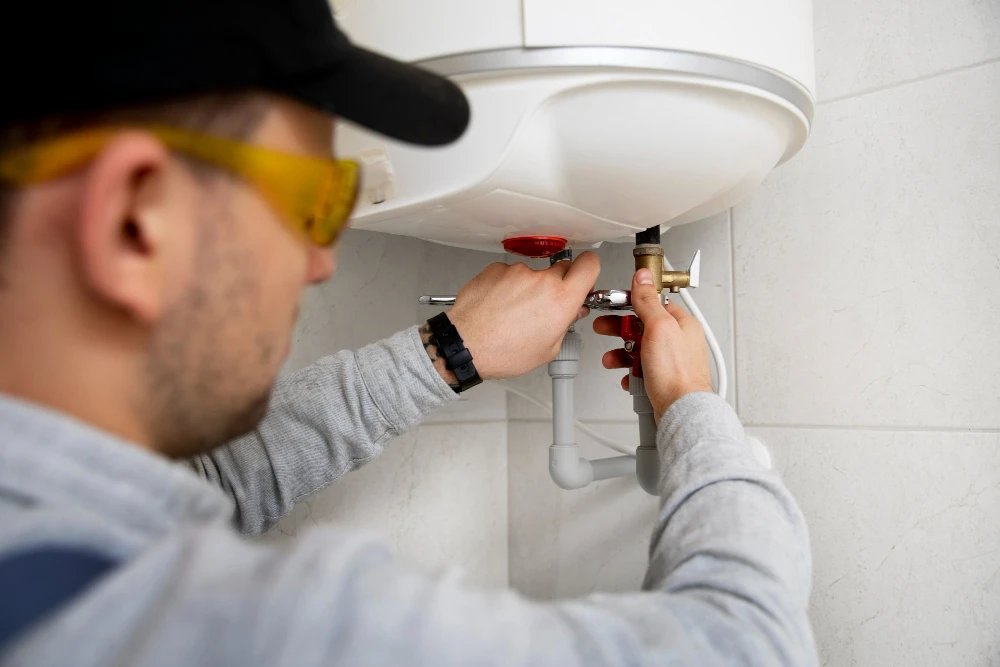

While a new water heater installation should give you years of faithful hot water, many homeowners experience problems within days or weeks. If you've been asking yourself "How to install a water heater?", understanding the common reasons that installations fail can save you time, money, and frustration. A water heater is one of the most important appliances in a house, and even minimal mistakes during installation may cause it to leak, heat inconsistently, or lead to the complete unit failure.
This guide will let you know the most common installation mistakes, how to rectify them, and prevent them from happening in the future through proper setup and maintenance.
Key Reasons Why Your Water Heater Installation Failed
1. Incorrect Sizing of the Water Heater
One of the main causes of installation failure is incorrect tank sizing. A too-small unit cannot meet demand within a household, while an over-sized one simply wastes energy.
Symptoms:
- Running out of hot water in a very short time.
- High energy bills.
- Inconsistent temperatures.
Fix:
Check the size of the unit in accordance with manufacturer instructions regarding household members and peak usage times. Change to a unit of appropriate size.
2. Faulty or Loose Connections
Poor plumbing or electrical connections create leaks, short circuits, or operational concerns.
Common Mistakes:
- Loose cold or hot supply lines.
- Poor pipe threading.
- Incorrect grounding on electric models.
Repairs:
Tighten all the fittings, use Teflon tape on threaded joints, and make electrical corrections with the use of a licensed electrician, if necessary.
3. Incorrect Venting (Gas Water Heaters)
Gas water heaters are vented to protect against exposure to carbon monoxide. An incorrectly angled, sized, or sloped vent can cause dangerous backdrafting.
Signs of venting issues:
- Condensation around the vent.
- Discoloration of the flame.
- Gas smell or strange noises.
Fixes:
Ensure the vent is the proper diameter and slopes upwards and that no blockages are in the vent. If you suspect unsafe venting, have the system inspected by a professional right away.
4. Failure to Flush the Tank Before Use
Sedimentation in a new tank or within an existing plumbing system can certainly cause overheating, noise, and premature failure.
Fix:
Drain the heater tank and flush thoroughly prior to first startup. Under normal conditions, once or twice a year flushing will maintain the efficiency of the heater.
5. Improper Temperature Settings
Setting the temperature too high may cause scalding, overheating, and excessive energy consumption. Setting it too low raises the chances of bacteria growth, such as Legionella.
Ideal temperature: 120°F (49°C)
Solution: Adjust the thermostat accordingly and allow the heater to stabilize.
6. Missing or Incorrectly Installed Pressure Relief Valve
The T&P valve prevents dangerous pressure buildup. If it is installed incorrectly-or not at all-it becomes a huge safety hazard.
Correct:
Ensure the valve is operating and that the discharge pipe is correctly orientated downwards and free from obstruction.
How to Troubleshoot a Faulty Water Heater Installation: A Quick Checklist
Follow this checklist to troubleshoot installation problems safely:
- Verify correct tank size for your home.
- Inspect all pipes, fittings, and electrical connections.
- Ensure that gas units are well-ventilated.
- Flush the tank before and after installation.
- Set the thermostat to 120°F.
- Check T&P valve placement and functionality.
- Ensure the water supply is on full.
- Test for leaks around the fittings.
- Thoroughly review manufacturer installation instructions.
When You Should Call a Professional?
In that respect, installation by oneself can save money—but when mistakes start to mount, it is more costly to correct them than it would have been to hire a professional right from the beginning. You should call in a certified plumber if you find:
- Persistent leaks.
- Burning smell.
- Electricity problems.
- Gases that smell.
- Inconsistent heating, even after troubleshooting.
Wrapping Up
A failure during the process of water heater installation doesn't always require the replacement of the unit but often small, crucial-to-success installation mistakes. Understanding the right steps to take-and common errors to avoid-will ensure your system operates safely and efficiently. Whether you're searching for "How to install a water heater?" or correcting a bad installation, best practices combined with expert guidance can go a long way in protection at home and increasing the life of your heater.
























Sign in to leave a comment.