

Buying or selling a home is one of the biggest financial decisions you’ll ever make. A professional home inspection plays a critical role in helping buyers understand the true condition of a property before closing the deal. In fact, many buyers discover the most common home inspection problems early in the process, allowing them to negotiate repairs, pricing, or walk away if needed.
So, what does a home inspection consist of? Let’s break it down in a clear, practical way.
What Is a Home Inspection?
A home inspection is a non-invasive, visual evaluation of a residential property conducted by a certified home inspector. The goal is to identify existing issues, safety concerns, and potential future repairs related to the home’s structure and systems.
Inspections typically take 2–4 hours, depending on property size and condition, and result in a detailed inspection report.
Key Areas Covered in a Home Inspection
1. Structural Components
The inspector evaluates the home’s structural integrity to ensure it’s stable and safe.
This includes:
- Foundation and footings
- Walls, floors, and ceilings
- Beams, columns, and framing
- Signs of settlement or cracking
Structural issues are often among the most costly home inspection findings.
2. Roof and Exterior
The roof protects the entire home, making it a critical inspection area.
Inspectors check:
- Roof covering and shingles
- Flashing and chimneys
- Gutters and downspouts
- Siding, trim, and exterior doors
- Driveways, walkways, and grading
Poor drainage or roof damage can lead to water intrusion and mold growth.
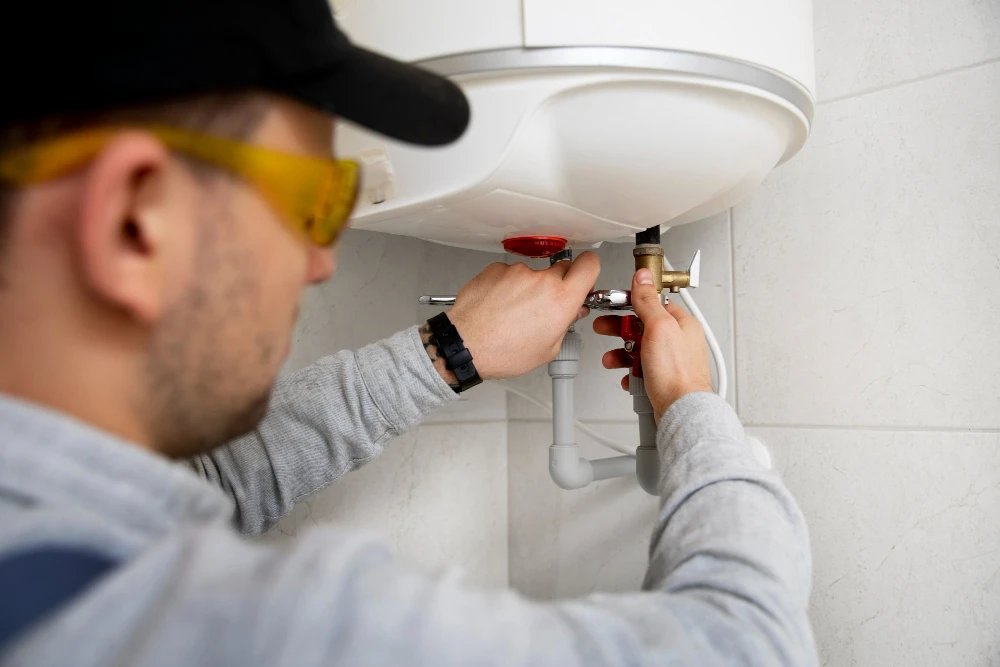
3. Plumbing System
Plumbing problems are some of the most common home inspection problems found in residential properties.
The inspection covers:
- Water supply lines and pipes
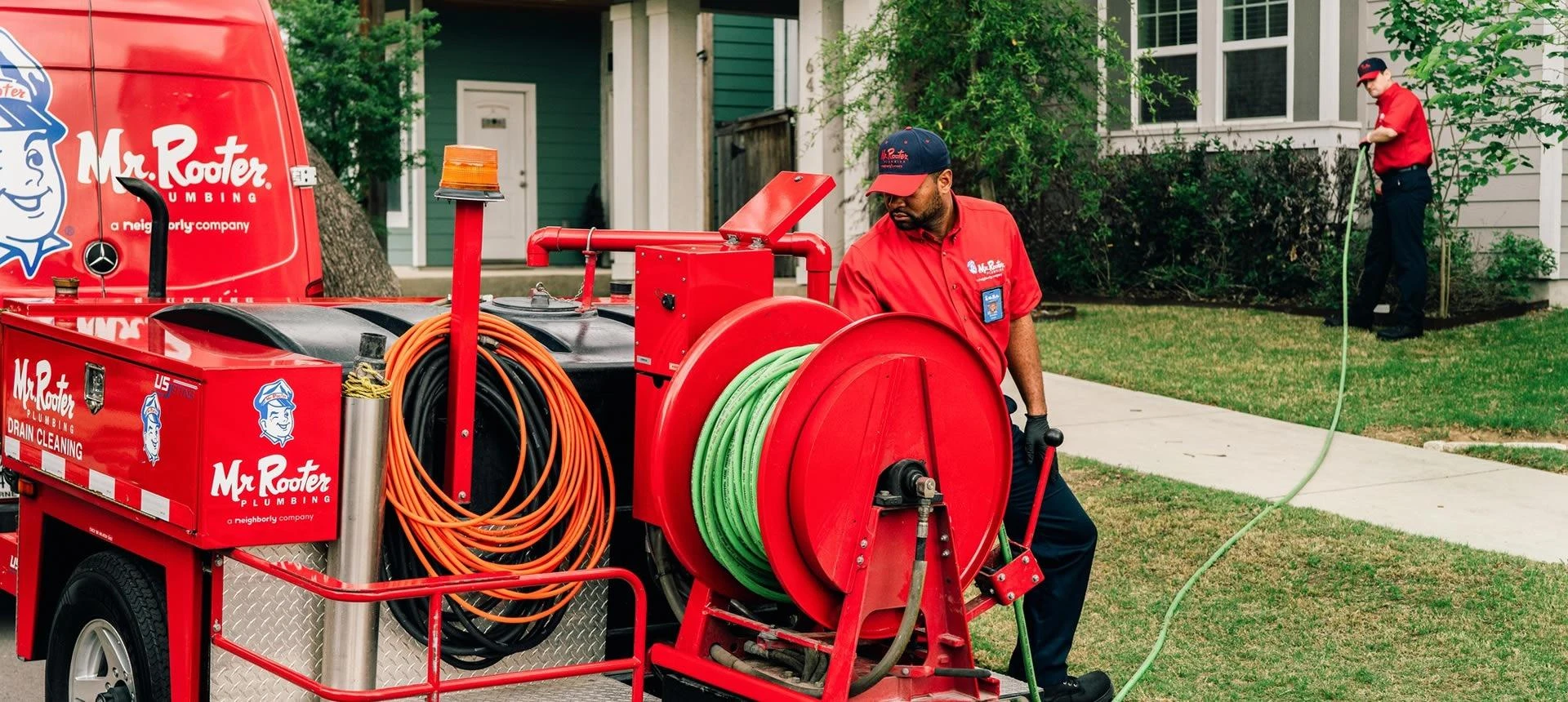
- Drainage and sewer systems
- Water heater condition
- Faucets, toilets, and fixtures
- Signs of leaks or corrosion
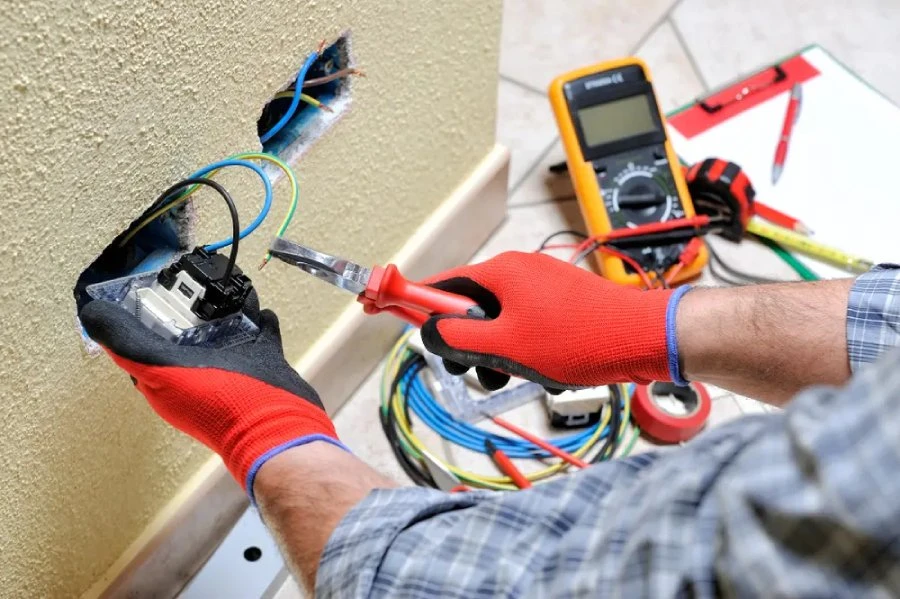
4. Electrical System
Electrical safety is essential for modern homes.
Inspectors assess:
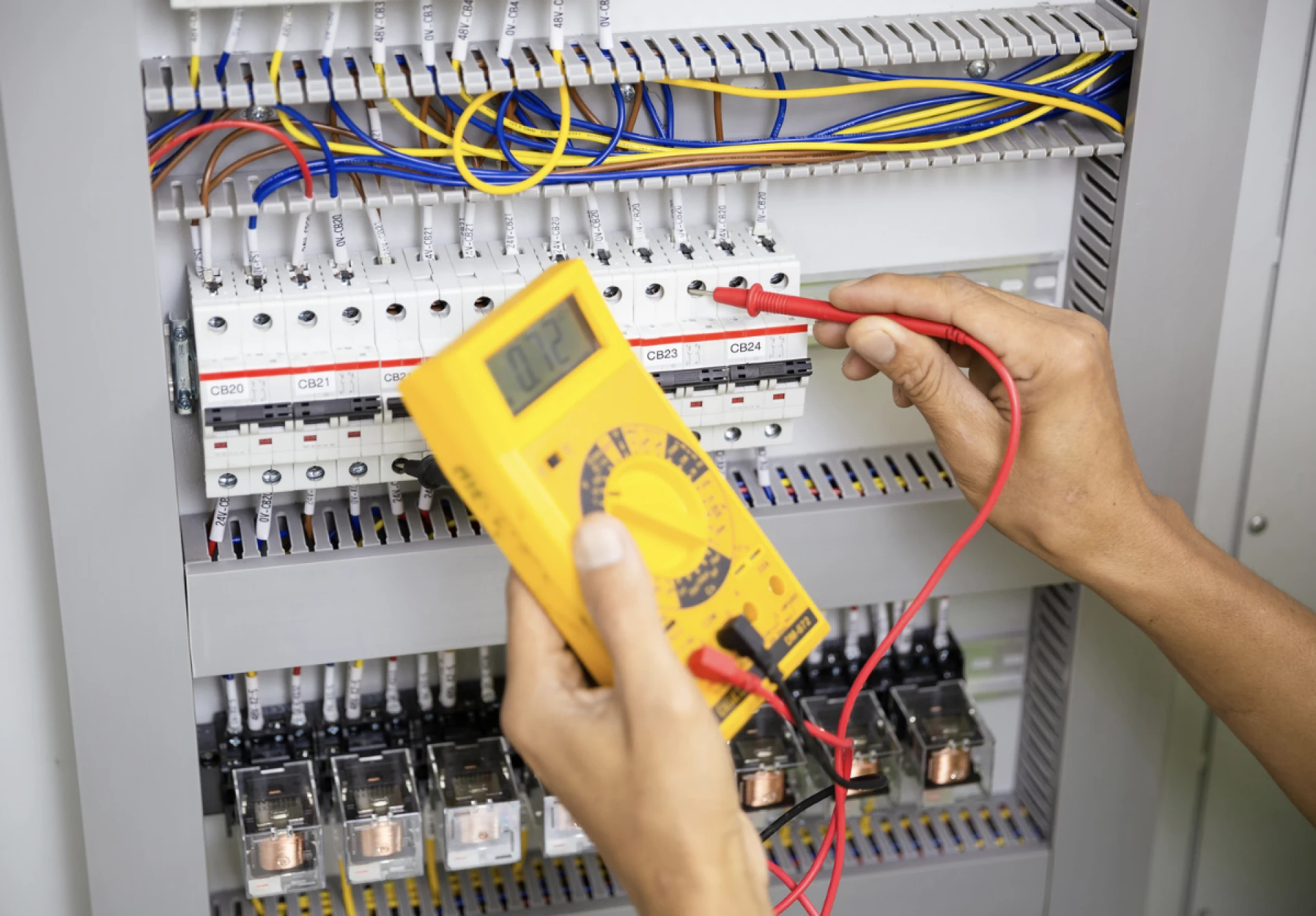
- Main electrical panel and breakers
- Wiring types and grounding
- Outlets, switches, and GFCIs
- Smoke and carbon monoxide detectors
Outdated or faulty wiring can be a serious safety hazard.
5. HVAC (Heating and Cooling)
Heating and cooling systems impact comfort, energy efficiency, and indoor air quality.
Inspection includes:
- Furnace and air conditioning units
- Ductwork and vents
- Thermostat operation
- Signs of wear or improper installation
6. Interior Components
Inside the home, inspectors look for visible issues that affect livability.
This includes:
- Windows and doors
- Walls and ceilings
- Stairs and railings
- Attic insulation and ventilation
- Basement or crawl space conditions
What a Home Inspection Does Not Cover?
It’s important to understand the limitations of a standard inspection.
Typically excluded:
- Cosmetic issues
- Hidden defects behind walls
- Pest or termite inspections (unless added)
- Environmental testing (radon, mold, asbestos)
Specialized inspections can be ordered if concerns arise.
Why a Home Inspection Matters?
A thorough home inspection helps buyers:
- Make informed decisions
- Avoid unexpected repair costs
- Negotiate repairs or credits
- Plan future maintenance
- Ensure safety and compliance
For sellers, inspections can also reduce surprises and improve transparency.
Wrapping Up
So, what does a home inspection consist of? It’s a comprehensive evaluation of a home’s structure, systems, and safety features designed to protect your investment. By identifying the most common home inspection problems early, buyers gain clarity, confidence, and peace of mind before finalizing a purchase.
Whether you’re a first-time buyer or a seasoned homeowner, a professional home inspection is a smart, essential step in the real estate process.
























Sign in to leave a comment.