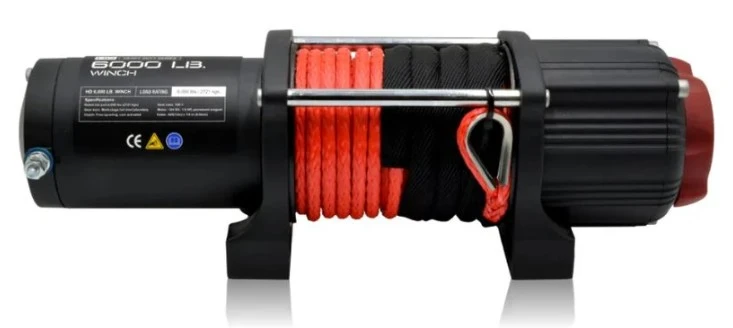
A winch is one of the most essential recovery tools for off-road enthusiasts, heavy-duty workers, and adventurers who frequently tackle rugged terrains. While standard models can handle everyday needs, situations involving extreme mud, steep climbs, or heavy loads often demand more pulling strength and reliability. This is where thoughtful winch modifications and enhancements become vital. Upgrading the setup not only maximizes pulling power but also extends the overall lifespan of the equipment.
Why Consider a Winch Upgrade?
Over time, recovery scenarios can become more demanding. Vehicle modifications such as larger tires, heavier bumpers, and added accessories increase the load weight, often pushing a factory winch to its limits. A Winch Upgrade addresses these challenges by offering improved performance, higher pulling efficiency, and greater durability. Rather than relying solely on brute force, upgrades focus on optimizing torque, speed, and heat resistance, ensuring smoother recovery in demanding environments.
Essential Components That Influence Winch Performance
To truly boost a winch’s effectiveness, it is important to understand the key elements that influence performance. These components form the foundation of any meaningful enhancement:
- Motor Strength – A stronger motor provides additional pulling capacity and reduces the risk of overheating.
- Gear Ratio – Lower gear ratios offer more pulling power but slower line speed, while higher ratios provide faster retrieval.
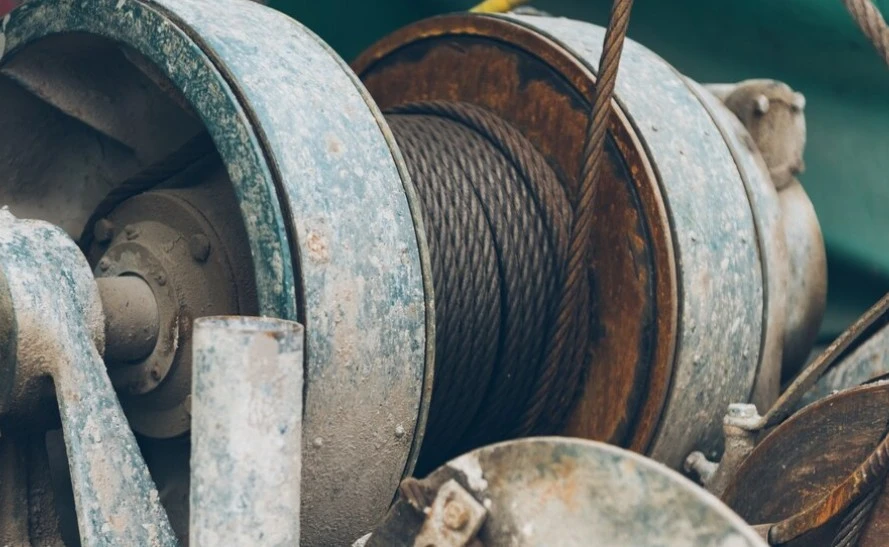
- Cable or Rope – Choosing between steel cable and synthetic rope plays a significant role in weight, flexibility, and safety.
- Electrical System – A reliable power supply, including upgraded batteries and alternators, ensures consistent operation under heavy loads.
Each of these areas can be upgraded strategically to meet specific recovery demands.
Exploring Winch Upgrade Options
When planning modifications, the goal is to enhance both strength and efficiency. The following upgrade ideas are among the most effective ways to achieve maximum pulling power.
1. Motor Enhancement
Swapping the stock motor for a high-output variant increases torque and line speed. This modification is especially beneficial for vehicles carrying extra weight or frequently tackling muddy and rocky trails. Enhanced motors also resist overheating better during prolonged use.
2. Synthetic Rope Conversion
While steel cables are strong, they are heavy and prone to fraying. Switching to a high-quality synthetic rope reduces overall weight, improves handling, and enhances safety. It also minimizes the risk of recoil injuries, making it a popular choice among off-road communities.
3. Upgraded Electrical Support
A winch draws significant power, and relying on a standard battery may lead to performance drops. Installing a dual-battery system or a higher-capacity alternator ensures the winch runs efficiently under maximum load. This upgrade is often overlooked but crucial for consistent pulling strength.
4. Gearbox Improvements
Adjusting the gear ratio allows users to tailor the balance between pulling power and line speed. A lower ratio offers superior strength for recovery in tough conditions, while a slightly higher ratio favors faster cable retrieval. This balance depends on the user’s typical recovery scenarios.
5. Mounting Systems
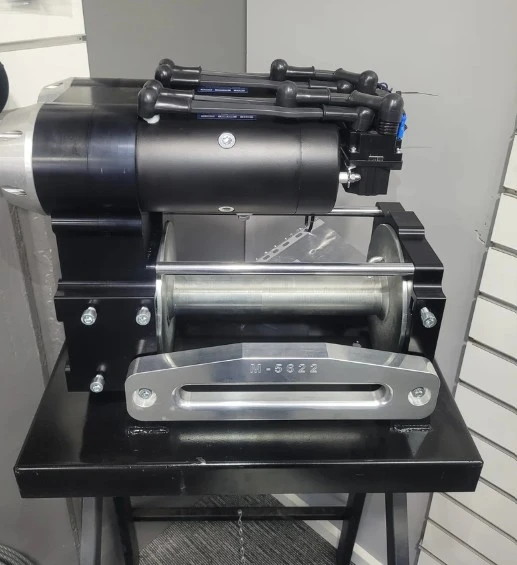
The mounting position significantly influences performance. A High Mount Winch setup, for example, is often preferred for heavy-duty tasks due to its improved cooling and ability to handle prolonged strain. By allowing better airflow and reducing heat buildup, this configuration extends the winch’s lifespan and ensures more consistent pulling power.
Maintenance as a Performance Booster
Upgrading components is only part of the equation. Regular maintenance practices also play a major role in sustaining winch efficiency:
- Keep cables or ropes clean and dry after use.
- Inspect electrical connections frequently for corrosion.
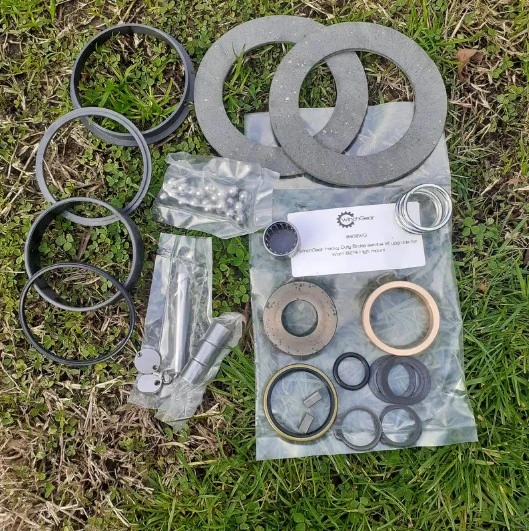
- Lubricate moving parts to prevent wear and friction.
- Test the winch periodically, even when not in use, to ensure readiness.
Such practices complement any winch modifications, helping owners get the most out of their investment.
Balancing Upgrades with Real Needs
While it may be tempting to implement every possible modification, choosing upgrades based on actual requirements is the more practical approach. A vehicle primarily used for light trails may not need the same level of enhancement as one designed for extreme rock crawling or towing. Evaluating weight, terrain type, and frequency of use helps determine the right combination of upgrades without unnecessary expense.
Conclusion
Maximizing pulling power is not just about brute strength—it is about smart modifications and consistent care. From motor upgrades and synthetic rope conversions to electrical reinforcements and specialized setups like a High Mount Winch, each enhancement adds a layer of capability and reliability. When combined with proper maintenance, these strategies ensure that a winch remains a dependable recovery tool, ready to handle the most demanding situations with confidence.



























Sign in to leave a comment.