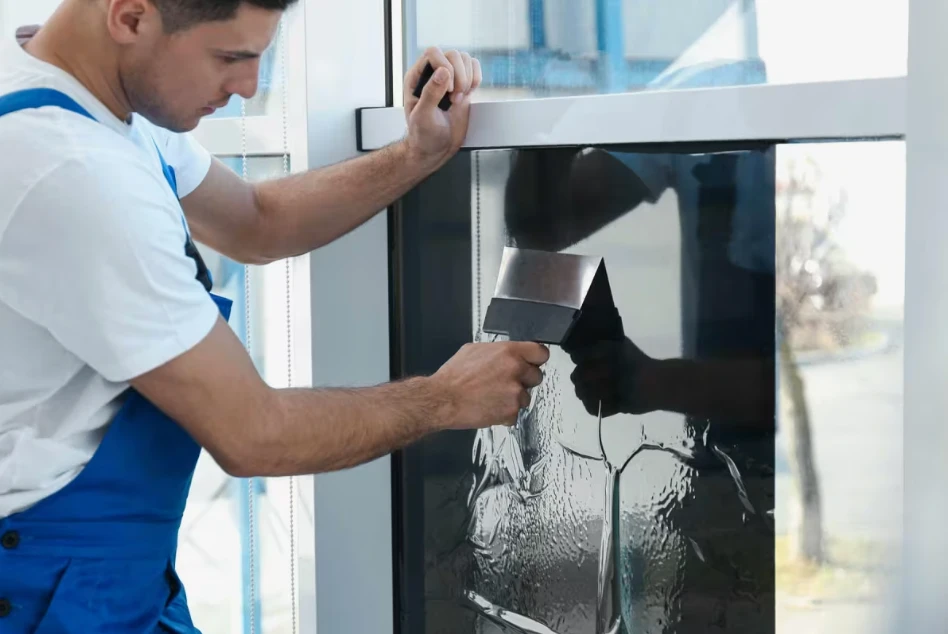
When it comes to enhancing comfort, privacy, and energy efficiency in your home or business, few upgrades are as effective—and as overlooked—as professional window tinting. Whether you want to reduce glare in your office, cut down on heat inside your home, or add an extra layer of security to your storefront, window tinting delivers real, measurable benefits.
At Georgia Blind& Classic Glass Tinters, we’ve seen firsthand how the right tint can transform a space. From small residential projects to large-scale commercial properties, our clients consistently experience improvements in aesthetics, comfort, and cost savings.
If you’re considering window tinting but aren’t quite sure where to start, this in-depth guide will walk you through everything you need to know—what it is, why it matters, the different types available, and how to choose the best option for your needs.
What is Window Tinting?
Window tinting involves applying a thin, transparent or semi-transparent film to the interior surface of windows. This film is designed to block UV rays, reduce solar heat, control glare, and enhance privacy. It can be used on a wide range of window types, including residential, commercial, and automotive glass.
Modern window films are engineered with advanced materials that deliver high performance without darkening the room or compromising your view. While the concept may sound simple, the results are powerful—and immediate.
Why Window Tinting is a Smart Investment
1. Energy Efficiency
Heating and cooling represent some of the largest utility costs in both homes and businesses. In the summer, windows allow excessive solar heat to enter, forcing air conditioners to work harder. In the winter, untreated windows can let heat escape.
Quality window tinting can reflect a significant portion of solar heat, maintaining a more stable indoor temperature year-round. That means reduced energy consumption and lower utility bills—benefits that continue long after installation.
2. UV Protection
Ultraviolet rays from the sun can do more than just cause sunburn—they also fade furniture, flooring, artwork, and retail merchandise over time. Even brief daily exposure to UV rays can lead to long-term damage inside your space.
Window tinting blocks up to 99% of UV rays, helping protect your interiors and extending the lifespan of valuable items. It also offers health benefits by reducing prolonged exposure to UV radiation.
3. Glare Reduction
If you’ve ever struggled to see your TV or computer screen because of sunlight, you already understand the frustration glare can cause. For businesses, glare can hurt productivity and strain employee eyes. In homes, it can interfere with entertainment and comfort.
Window film helps manage sunlight by reducing glare without sacrificing natural light. You get a brighter, more balanced room without the hot spots or screen reflections.
4. Privacy and Security
Window tinting gives you more control over who sees inside your space. Reflective or frosted films, for example, allow visibility from the inside while keeping prying eyes out—perfect for street-facing homes or ground-floor offices.
Many tinting options also reinforce the glass, making windows harder to break. In the event of an accident or attempted break-in, the film helps hold shattered glass together, reducing injuries and property damage.
5. Enhanced Appearance
Window tinting also adds a polished, uniform look to any property. From stylish tints to decorative frosted films, it can boost curb appeal and help your building look more professional and modern.
Whether you're refreshing a dated exterior or creating a sleek interior partition, tinting can enhance the aesthetics of your space without the cost of major renovations.
Different Types of Window Tinting
Solar Control Films
These are designed primarily for heat and UV rejection. They come in different levels of shading and reflectivity and are commonly used in both homes and commercial properties.
Security Films
Thicker and more durable than standard films, Window tints reinforce the glass against impacts. They're ideal for businesses, schools, and any high-risk areas.
Decorative Films
If you're looking for style, branding, or a touch of elegance, decorative films are the answer. They’re available in a range of patterns, frosts, gradients, and even custom graphics.
Privacy Films
Great for bathrooms, offices, or storefronts, these films obscure visibility without cutting out light. Frosted, one-way mirror, and blackout options are all popular.
Automotive Films
While this post focuses more on residential and commercial applications, vehicle window tinting is another major category. It enhances driver comfort, reduces glare, and adds security on the road.
Residential vs. Commercial Window Tinting
While the technology behind window tinting is similar, the goals and applications differ slightly between homes and businesses.
Residential Tinting
- Focuses on comfort, UV protection, and interior preservation
- Often uses less reflective, more neutral tones
- Helps homeowners lower energy bills and improve privacy
Commercial Tinting
- Prioritizes energy efficiency, employee comfort, and branding
- Frequently uses reflective or mirror-style films for maximum solar control
- May include custom logos or decorative finishes
At Georgia Blind&Classic Glass Tinters, we specialize in both, with solutions tailored to your building's needs, style, and budget.
The Window Tinting Process
1. Consultation and Evaluation
We begin with an on-site assessment to understand your needs, building layout, sun exposure, and overall goals. Based on this, we recommend the best films for your space.
2. Product Selection
You’ll be able to see samples and choose from a variety of tints, styles, and performance levels. We explain the pros and cons of each to help you make an informed decision.
3. Professional Installation
Our certified technicians clean and prep the glass before carefully applying the film. We use precision techniques to eliminate bubbles, creases, or imperfections.
4. Inspection and Care Tips
After installation, we walk you through how to care for your tinted windows—usually just gentle cleaning with ammonia-free products. Most films require about 30 days to fully cure, depending on temperature and humidity.
Cost of Window Tinting
The cost of window tinting varies depending on several factors:
- Window size and quantity
- Type of film chosen
- Access and installation complexity
- Location and building type
Generally, you can expect to pay anywhere from $6 to $15 per square foot for residential or commercial installations. While that may seem like an investment, the energy savings and long-term protection typically pay off within a few years.
At Georgia Blind&Classic Glass Tinters, we offer transparent pricing, free estimates, and financing options for larger projects. No surprises—just quality results you can count on.
How to Choose the Right Window Tint
When selecting the ideal window film, ask yourself the following:
- Do I need more privacy or light control?
- Is energy efficiency a priority?
- What is the look or feel I want to achieve?
- Is the location prone to storms or break-ins?
- Am I trying to protect valuable interiors from sun damage?
The answers will help you decide between different film types. You don’t have to make the decision alone—our experienced team can guide you toward the right solution based on your needs and preferences.
Why Work with Georgia Blind&Classic Glass Tinters?
With so many window tinting companies out there, why choose us?
- Expertise: We bring years of experience in both residential and commercial tinting.
- Custom Solutions: Every project is tailored to meet your goals, budget, and timeline.
- Premium Products: We only use top-grade films backed by long-term warranties.
- Customer Commitment: From your first call to the final walkthrough, we focus on delivering satisfaction and long-lasting results.
Serving homeowners and businesses across Georgia, Georgia Blind&Classic Glass Tinters has built a reputation for professionalism, quality, and value.
Final Thoughts
Whether you're a homeowner looking to protect your interiors, a business owner wanting to reduce energy bills, or a property manager focused on privacy and aesthetics, window tinting is one of the smartest upgrades you can make. It’s cost-effective, eco-friendly, and delivers immediate comfort and protection.
Let us help you make your space safer, more comfortable, and more beautiful.
FAQs
1. How long does window tinting last?
Most high-quality window films last between 10 and 20 years, depending on the type of film and exposure to sunlight. Many come with warranties for added peace of mind.
2. Can window tinting be removed or replaced later?
Yes. Window films can be safely removed and replaced without damaging the glass. This is helpful if you decide to change styles or upgrade to a newer film.
3. Will window tinting affect indoor lighting?
Not significantly. Most films are designed to reduce glare and UV rays while allowing plenty of natural light. You’ll notice a more balanced, comfortable light—not darkness.





























Sign in to leave a comment.