

You open a nice bottle of wine, enjoy a couple of glasses, and then wonder: will the rest stay fresh for tomorrow… or next week? It’s a common dilemma for casual drinkers and enthusiasts alike, and it often leads to a bigger question about the best way to store wine at home. Somewhere in that decision sits the idea of investing in a wine dispenser for home, which promises convenience and longer-lasting freshness for opened bottles.
On one side, modern wine dispensers use advanced preservation methods—like argon gas, nitrogen, or vacuum sealing—to slow oxidation and keep wine tasting fresh after opening. On the other, traditional storage solutions such as wine racks, fridges, or cellars are designed to protect unopened bottles for months or even years by controlling temperature, humidity, and light exposure.
So which option is better?
The truth is, neither solution wins universally. Your ideal choice depends on how often you drink wine, whether you like to sample multiple bottles, your available space, and whether you’re collecting wines for aging or simply enjoying them casually. In this guide, we’ll break down the real differences, pros and cons, costs, and performance of each approach—so you can confidently choose what works best for your lifestyle in 2026.
Understanding the Two Approaches
Wine Dispenser for Home
A home wine preservation system like a wine dispenser is designed to serve and preserve wine after the bottle has been opened. These systems typically use inert gases such as argon or nitrogen to replace oxygen in the bottle, slowing down oxidation. Some also use vacuum technology to remove air entirely.
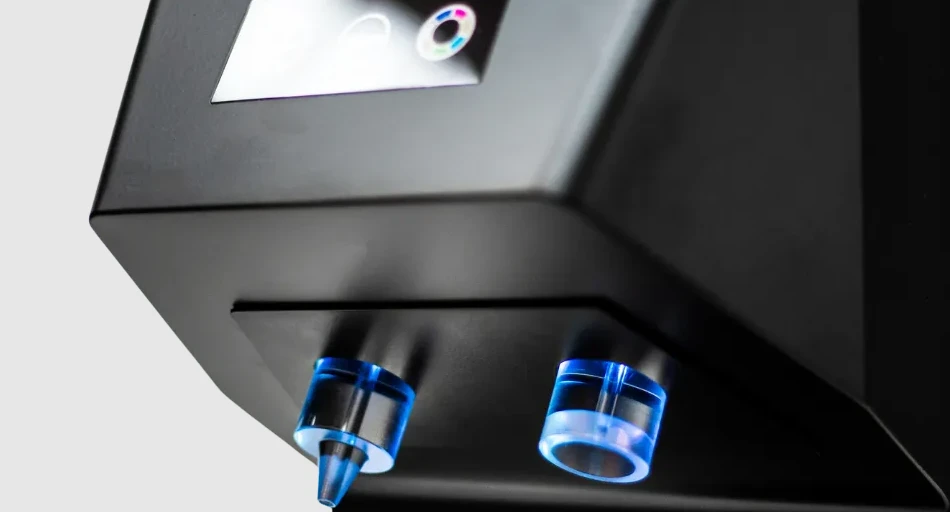
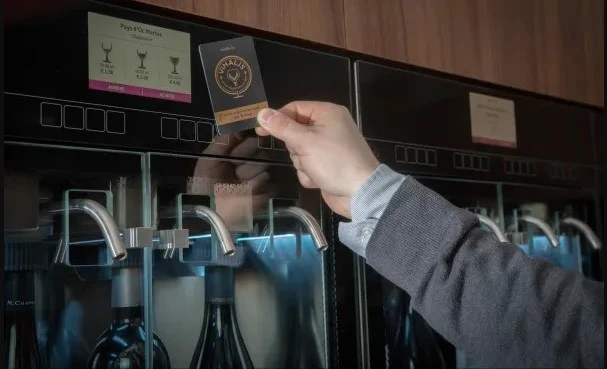
Most modern dispensers are sleek countertop units or built-in appliances that allow you to pour wine by the glass while keeping the remaining contents fresh for days—or even weeks. They are especially popular among frequent drinkers or households that enjoy variety without finishing bottles quickly.
Traditional Wine Storage
Traditional storage focuses on protecting unopened bottles. This includes:
- Basic wine racks (for short-term storage)
- Wine refrigerators (temperature-controlled units)
- Passive cellars or climate-controlled wine rooms
These methods aim to maintain stable conditions—typically around 10–15°C (50–60°F) with moderate humidity—to allow wine to age properly. Unlike dispensers, they are not designed to preserve opened bottles.
Key Difference
- Wine dispensers: Best for preserving opened bottles and convenient serving
- Traditional storage: Best for aging and protecting unopened collections
In 2026, both options have evolved. Dispensers are smarter and more efficient, while wine fridges now feature dual zones, app controls, and precise temperature management.
Wine Dispenser Pros
- Reduces waste: Keeps opened wine fresh much longer than recorking
- Convenience: Pour a glass anytime without opening a new bottle
- Perfect for variety: Ideal if you like switching between wines
- Temperature control: Many models maintain serving temperature
- Modern design: Fits well in contemporary kitchens or home bars
Wine Dispenser Cons
- Higher upfront cost: Especially for multi-bottle systems
- Ongoing costs: Gas refills or maintenance
- Not for aging: Doesn’t replace proper storage for collectors
- Maintenance required: Regular cleaning and setup
Traditional Storage Pros
- Excellent for aging: Protects wine quality over long periods
- Cost-effective options: Simple racks are very affordable
- Low maintenance: No consumables like gas required
- Scalable: Works for both small and large collections
Traditional Storage Cons
- Poor for opened bottles: Wine spoils within a few days
- Less convenient: Requires recorking and monitoring
- Environmental sensitivity: Needs stable temperature and humidity
- Limited flexibility: Not ideal for sampling multiple wines
Cost Breakdown
- Wine Dispenser
- Initial cost: Moderate to high
- Ongoing: Gas refills, electricity
- Savings: Less wasted wine
- Traditional Storage
- Initial cost: Low (rack) to high (wine fridge/cellar)
- Ongoing: Minimal (electricity for fridges)
- Savings: Protects investment wines
Convenience
- Wine dispensers: Ideal for daily use and entertaining
- Traditional storage: Better suited for long-term planning and collecting
Factors to Consider Before Choosing
Before deciding, think about your personal habits and priorities:
- Drinking frequency: Frequent sipping favors dispensers
- Collection size: Larger collections benefit from traditional storage
- Budget: Entry-level racks vs premium dispensers vary widely
- Space: Countertop vs dedicated storage area
- Maintenance: Willingness to handle cleaning and refills
- Wine types: Some systems handle sparkling wines better than others
- Goals: Casual enjoyment vs long-term aging
If your goal is simply the best way to store wine at home for everyday use, your answer may differ greatly from someone building a serious collection.
Conclusion
At the end of the day, choosing between a wine dispenser for home and traditional storage isn’t about which is objectively better—it’s about what fits your lifestyle. wine dispensers excel in convenience and preserving opened bottles, while traditional systems remain unmatched for aging and protecting collections.
If you drink wine frequently and value flexibility, a dispenser can transform your experience. If you’re building a collection or investing in fine wines, traditional storage is essential. And for many households, combining both approaches delivers the best results.
Before making a decision, take a moment to assess your habits honestly. Start simple if needed—you can always upgrade later as your preferences evolve. Modern wine dispensers are becoming increasingly popular, but they work best when matched to the right user.
Ultimately, the goal is simple: enjoy better wine, more often, with less waste and more confidence in how you store it.


























Sign in to leave a comment.